

Fall Workplace Safety: Hazards to Prepare For
How to Prepare Your Workplace for Fall Safety Hazards
Fall brings changing weather, shorter days, wet surfaces, falling leaves, and colder temperatures. These seasonal changes can create new workplace safety hazards for offices, warehouses, construction sites, fleet operators, and outdoor crews.
A fall workplace safety review gives businesses a chance to identify these risks before colder weather arrives. It is also a practical time to inspect emergency supplies, review response procedures, and make sure employees know how to handle seasonal hazards.

What Workplace Safety Hazards Increase in the Fall?
Fall workplace hazards often increase because changing weather affects walking surfaces, visibility, outdoor conditions, and employee exposure to cold and rain.
Common seasonal risks include:
- Wet leaves on sidewalks and entryways
- Rainwater tracked onto indoor floors
- Mud around outdoor work areas
- Early frost or ice
- Reduced daylight during morning and evening shifts
- Colder temperatures for outdoor workers
- Strong winds and severe storms
- Seasonal debris around entrances and work areas
Conditions can also change quickly during fall. A dry walkway in the morning may become slippery after an afternoon storm.
Businesses should inspect both indoor and outdoor areas throughout the season instead of relying on a one-time safety check.
How Can Businesses Prevent Slips, Trips, and Falls in Autumn?
Businesses can reduce fall-related slips and trips by keeping walking surfaces clean, dry, clear, and regularly inspected.
OSHA requires general-industry walking-working surfaces to be maintained in a clean and orderly condition. Employers must also address hazards such as spills, leaks, snow, and ice.
Fall adds several seasonal challenges.
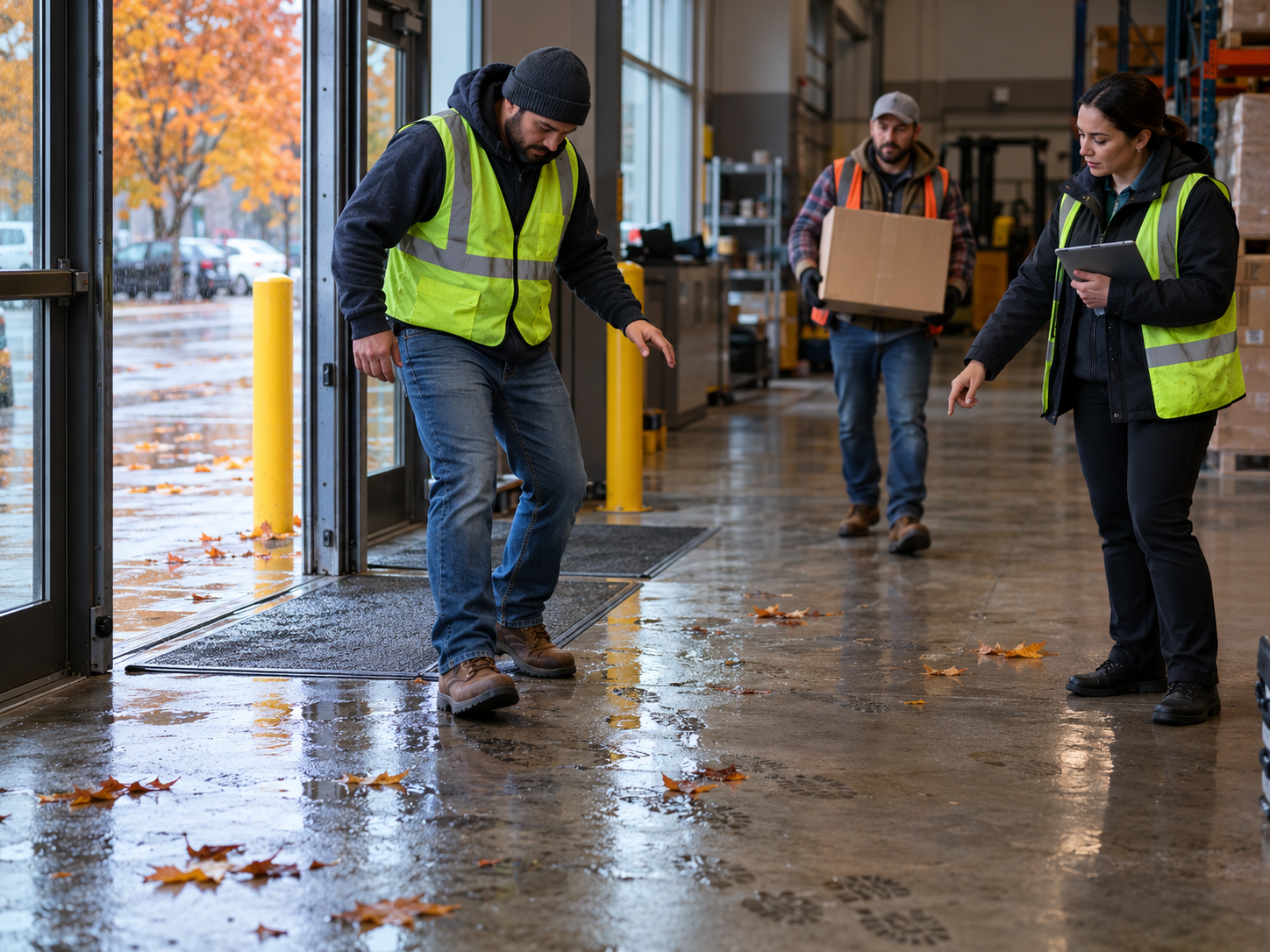
Wet leaves can become extremely slippery when they collect near entrances, parking lots, loading areas, and outdoor stairs. Rain can also be tracked indoors, especially in busy offices, retail locations, schools, and commercial facilities.
Businesses should:
- Remove fallen leaves from sidewalks and entrances
- Clean up water and mud promptly
- Use appropriate entrance mats
- Keep aisles and passageways clear
- Inspect stairs and handrails
- Repair damaged walking surfaces
- Check exterior lighting
- Prepare for frost and early ice
Employees should also know how to report a hazard when they see one.
A small problem is easier to correct before someone gets hurt.

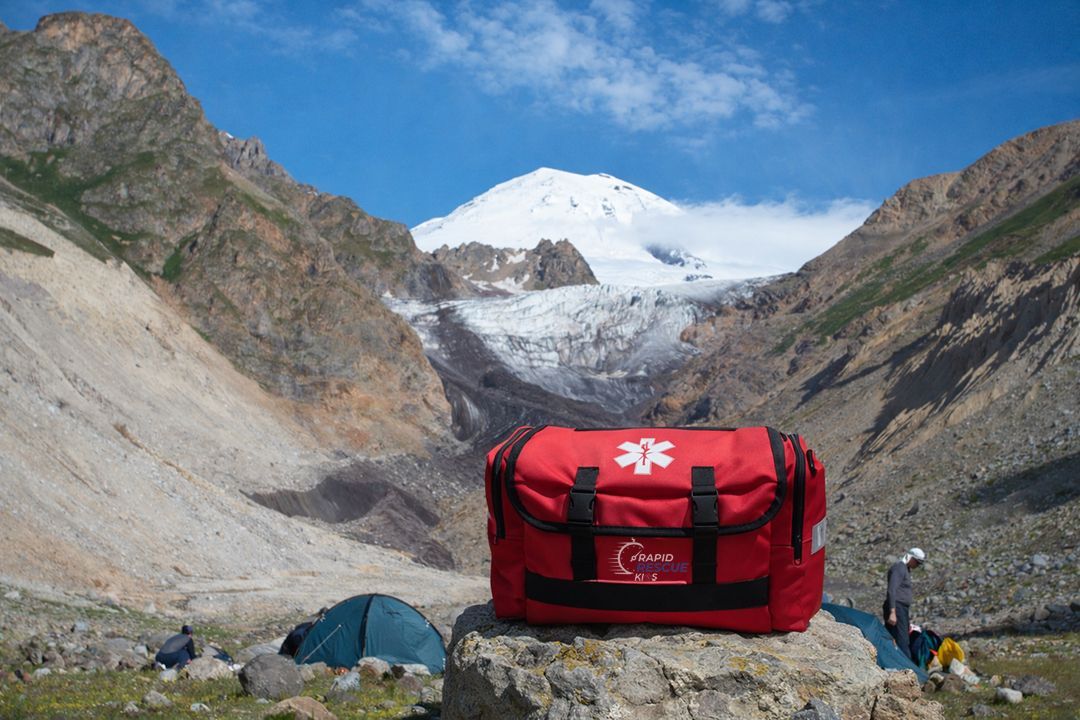
How Does Cooler Weather Affect Outdoor and Mobile Workers?
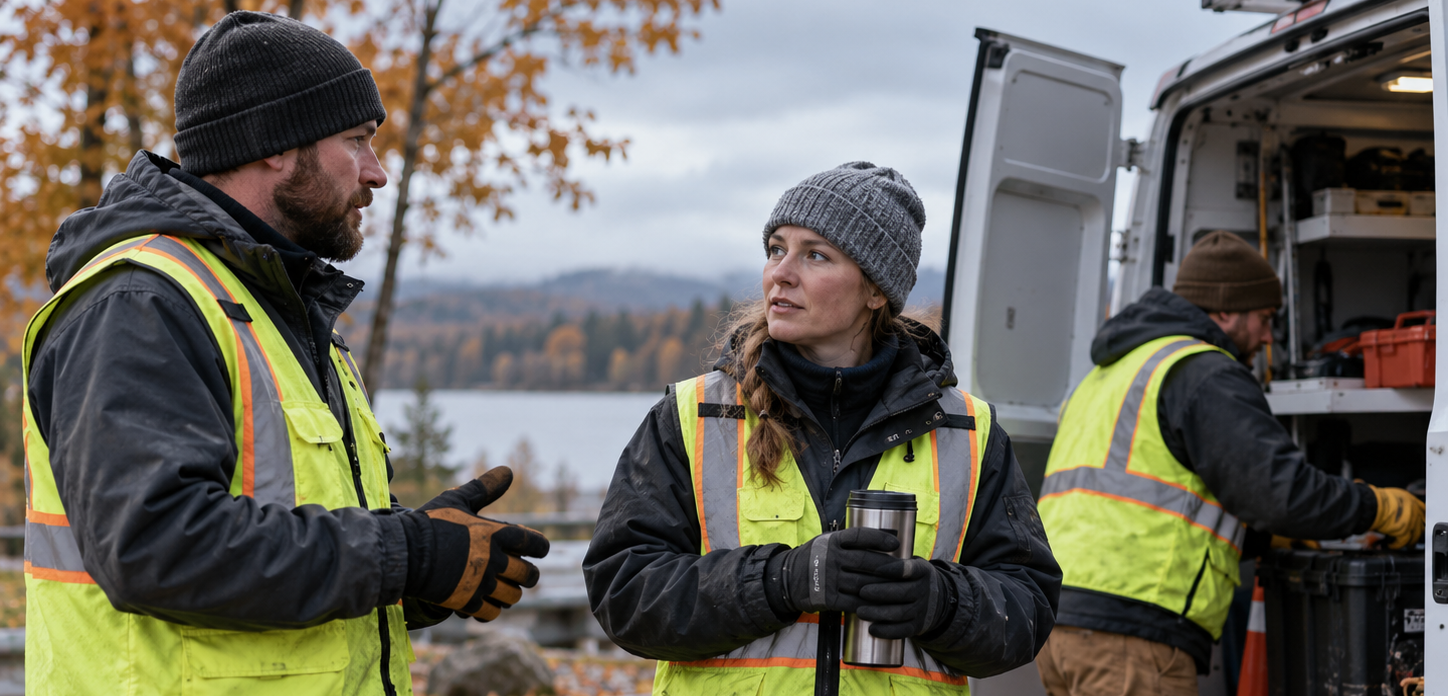
Cooler weather can increase safety risks for employees who work outdoors, travel between job sites, or spend long periods in company vehicles.
Cold stress is not limited to extreme winter temperatures. Wet clothing, wind, fatigue, and prolonged exposure can make employees uncomfortable or unsafe even during fall.
Outdoor workers may include:
- Construction crews
- Landscapers
- Utility workers
- Delivery drivers
- Maintenance teams
- Security personnel
- Field technicians
- Transportation employees
Businesses should monitor weather conditions and make sure employees have appropriate clothing and opportunities to warm up when needed.
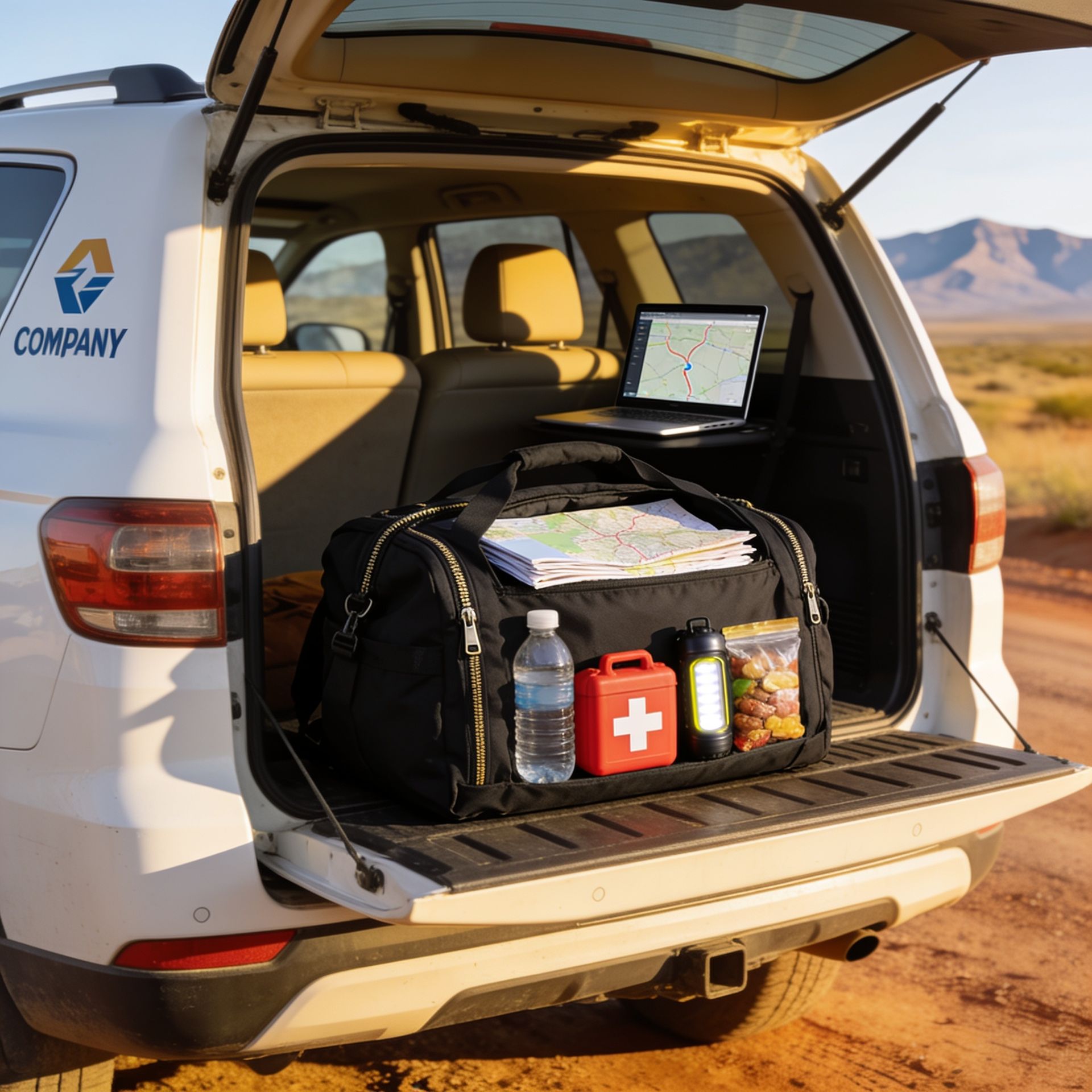
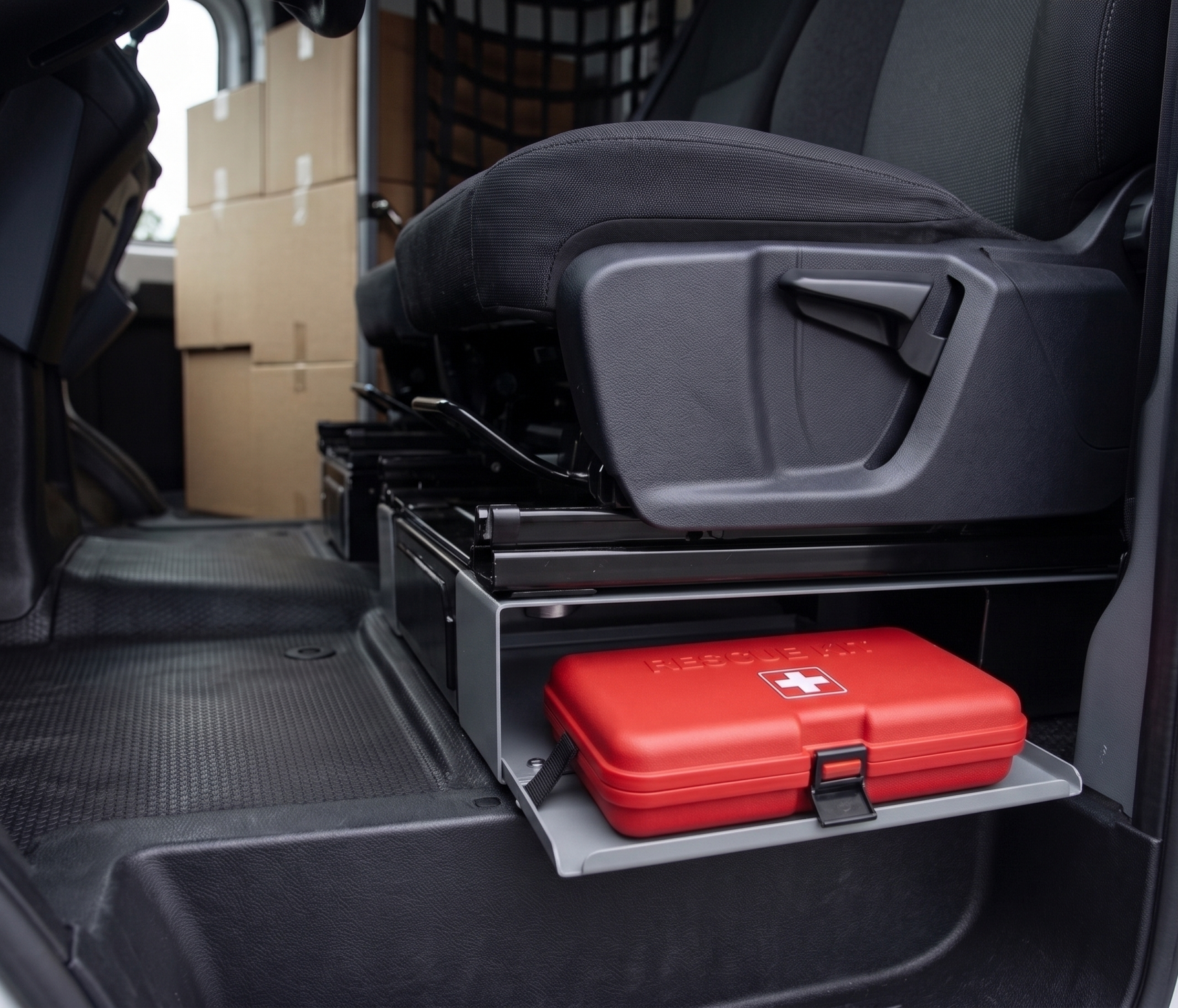
Company vehicles also deserve attention. As temperatures fall, businesses should check vehicle emergency supplies before winter weather begins.
Emergency blankets, first aid supplies, flashlights, reflective safety gear, portable power, and other essentials can help employees manage unexpected delays or roadside emergencies.
For businesses with employees on the road, Emergency Kits Every Company Vehicle Should Have offers additional guidance for fleet and mobile-worker preparedness.
What Emergency Supplies Should Workplaces Check Before Winter?
Businesses should inspect workplace emergency supplies during the fall so missing,
damaged, or expired items can be replaced before winter emergencies occur.
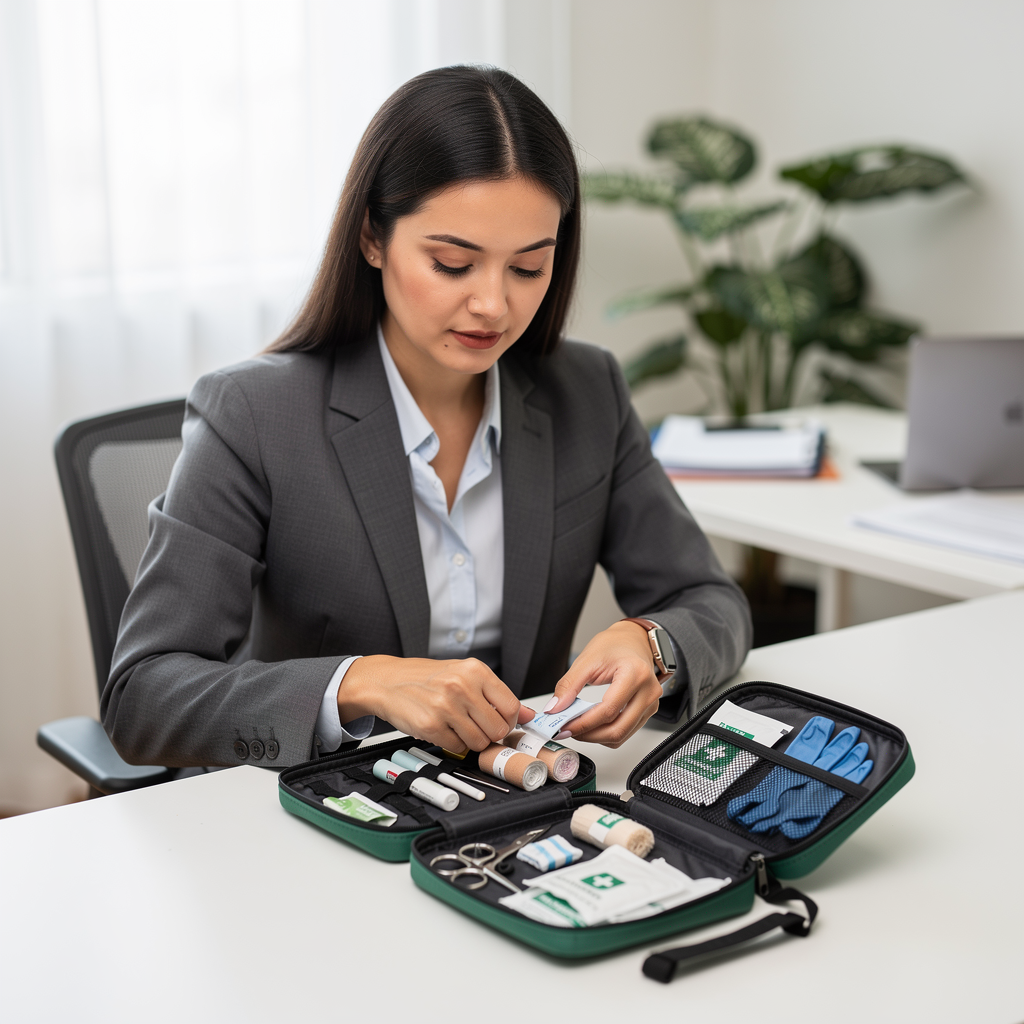
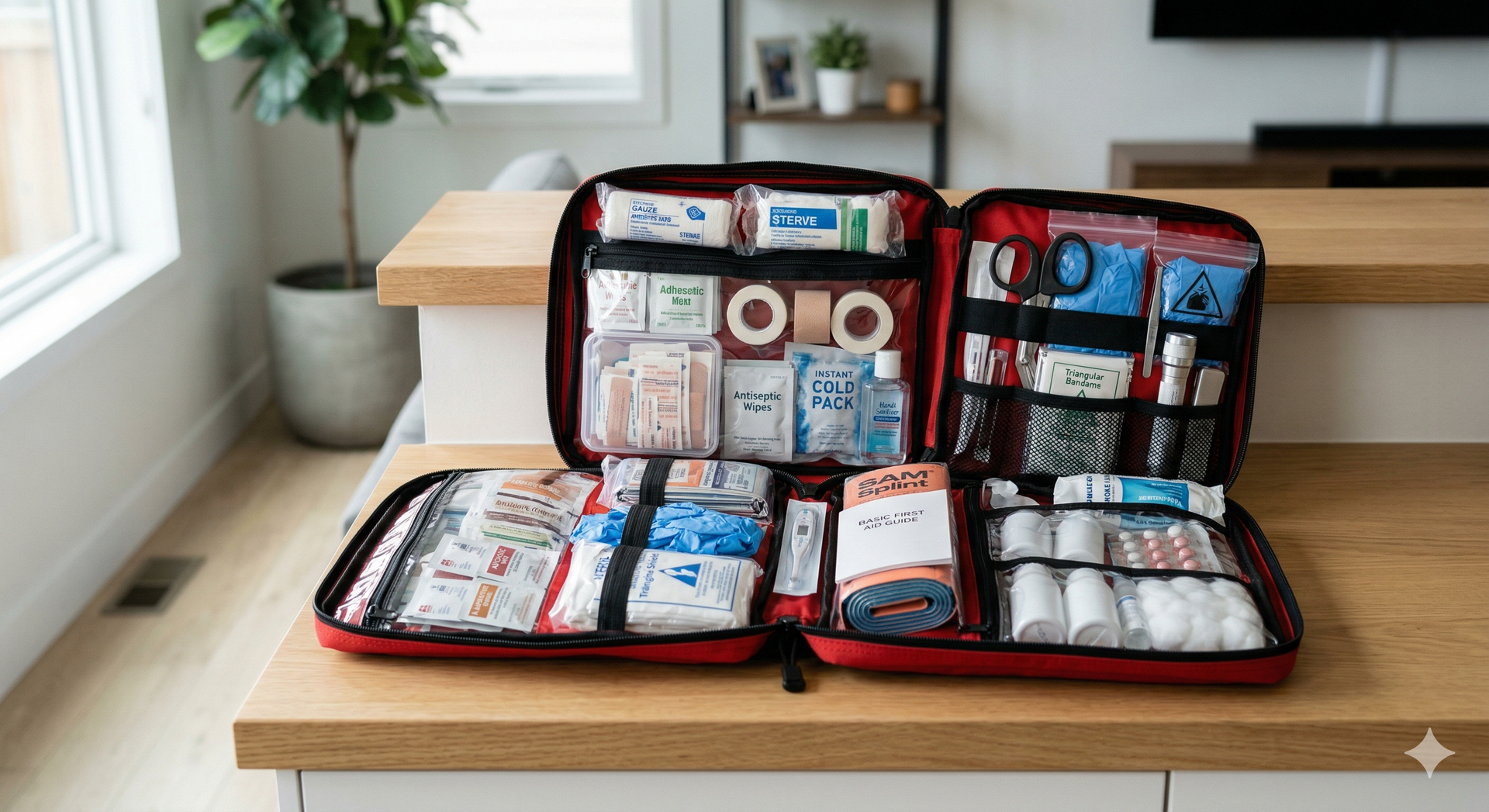
Start with first aid and emergency response kits.
- Used or missing supplies
- Expired medical items
- Damaged packaging
- Disposable gloves
- Bleeding control supplies
- Trauma dressings
- Emergency blankets
- Flashlights and batteries
- Portable chargers
- Communication equipment
The right supplies will vary by workplace.
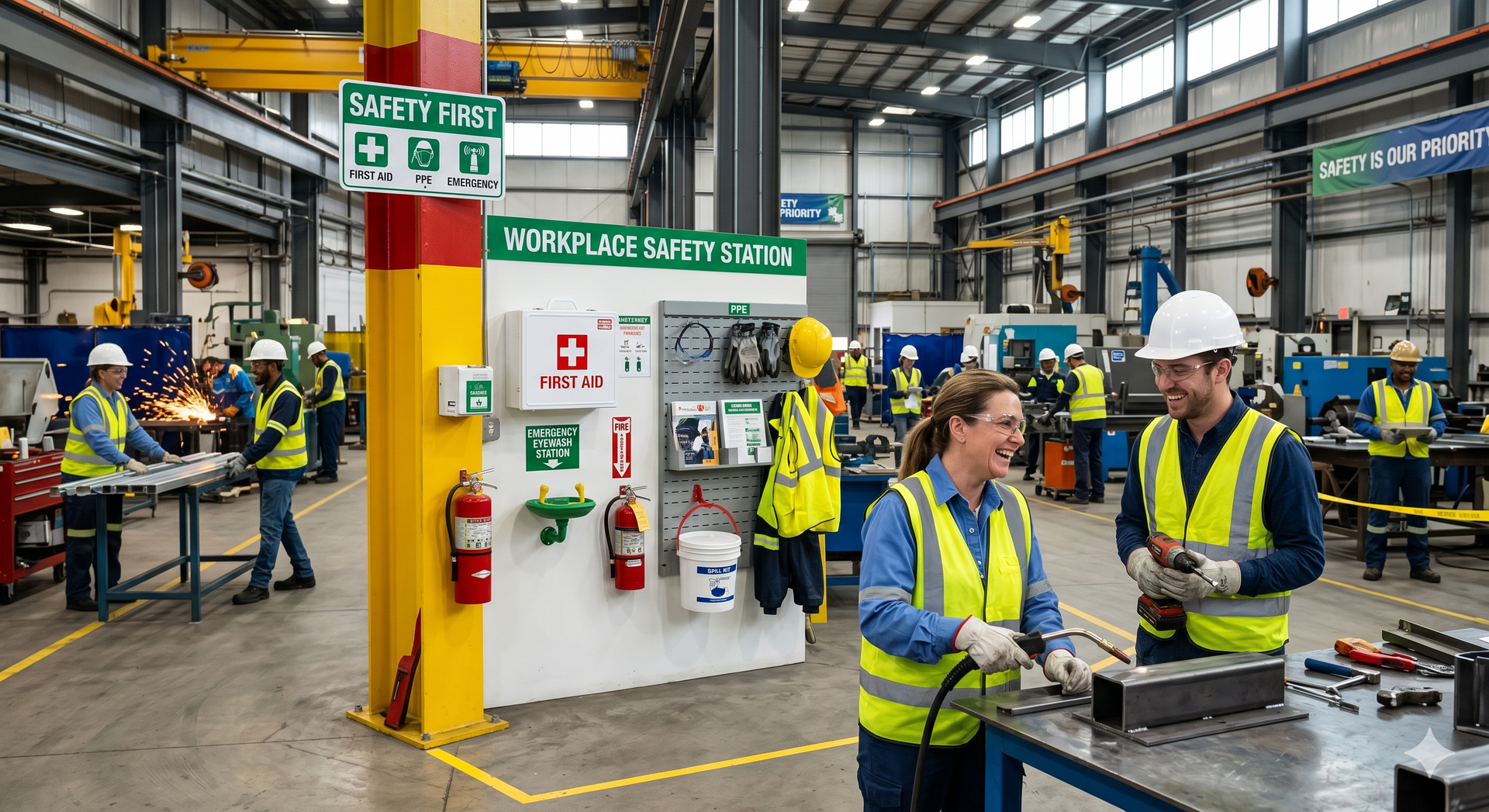
An office may need different emergency equipment than a warehouse, construction site, manufacturing facility, or field-service operation. Businesses should match supplies to their real workplace hazards.
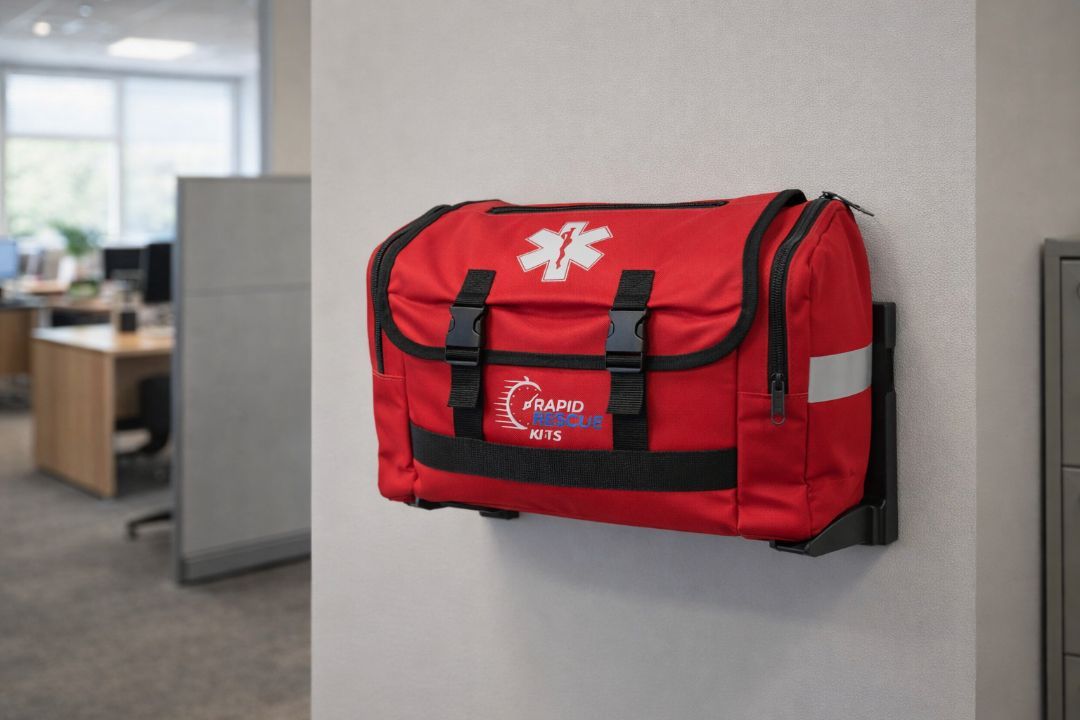
Fall is also a good time to confirm that kits are easy to reach. Employees should know where supplies are located and who has been trained to use specialized equipment.
Rapid Rescue Kits provides professional emergency response kits designed for workplaces, company vehicles, schools, job sites, and other environments where quick access to organized supplies matters.
Businesses evaluating their current coverage can also review How Many First Aid Kits Does My Business Need? to determine whether supplies are accessible throughout the workplace.

How Should Businesses Prepare for Shorter Days and Severe Weather?
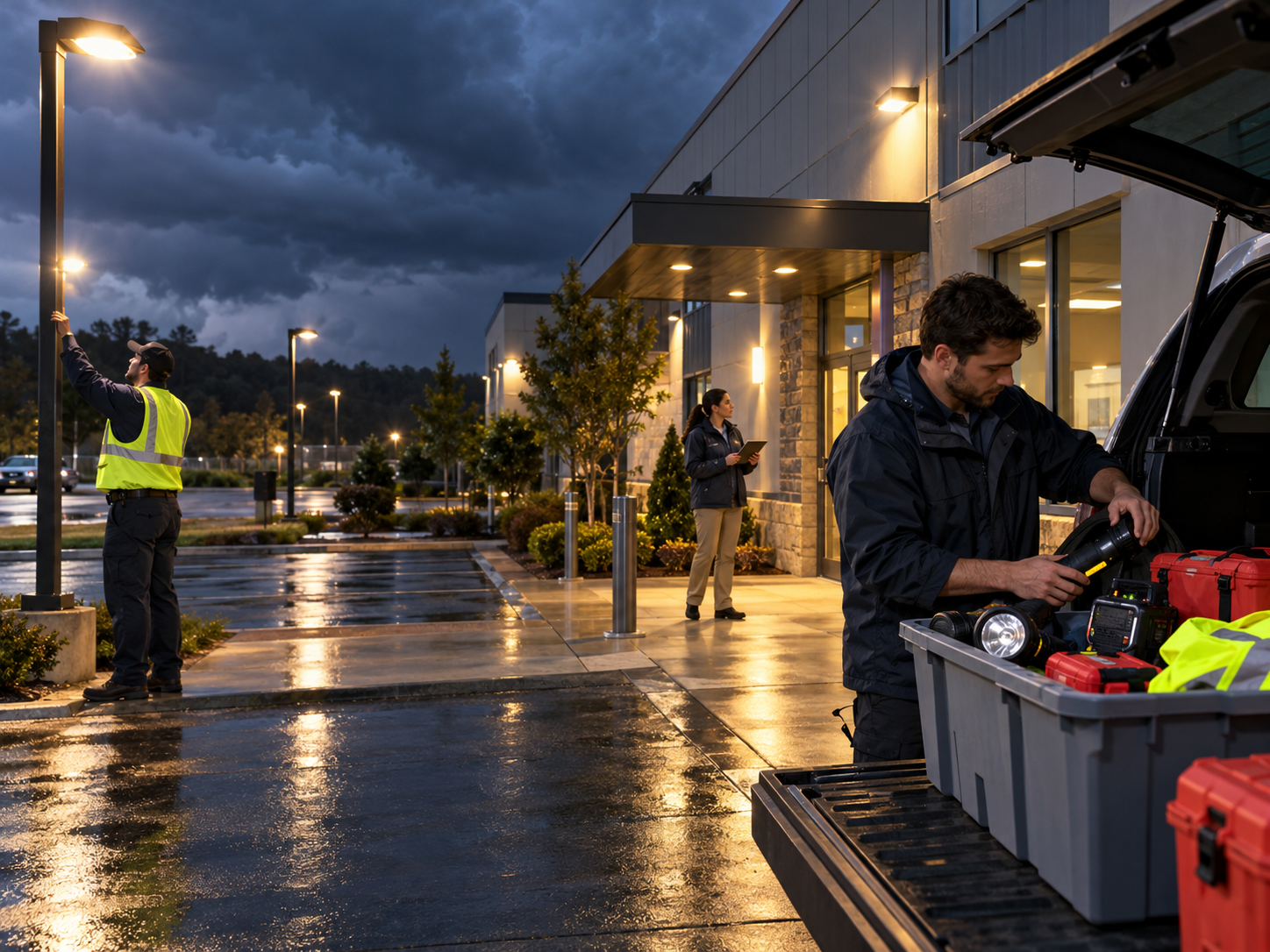
Businesses should prepare for shorter days by reviewing lighting, communication, severe weather procedures, and employee travel risks.
By mid-to-late fall, many employees arrive or leave work in darkness. Outdoor work may also continue after daylight begins to fade.
Check lighting around:
- Parking lots
- Building entrances
- Walkways
- Loading docks
- Outdoor stairs
- Equipment areas
- Temporary work zones
Fall can also bring thunderstorms, high winds, flooding, early snow, and rapid temperature changes.
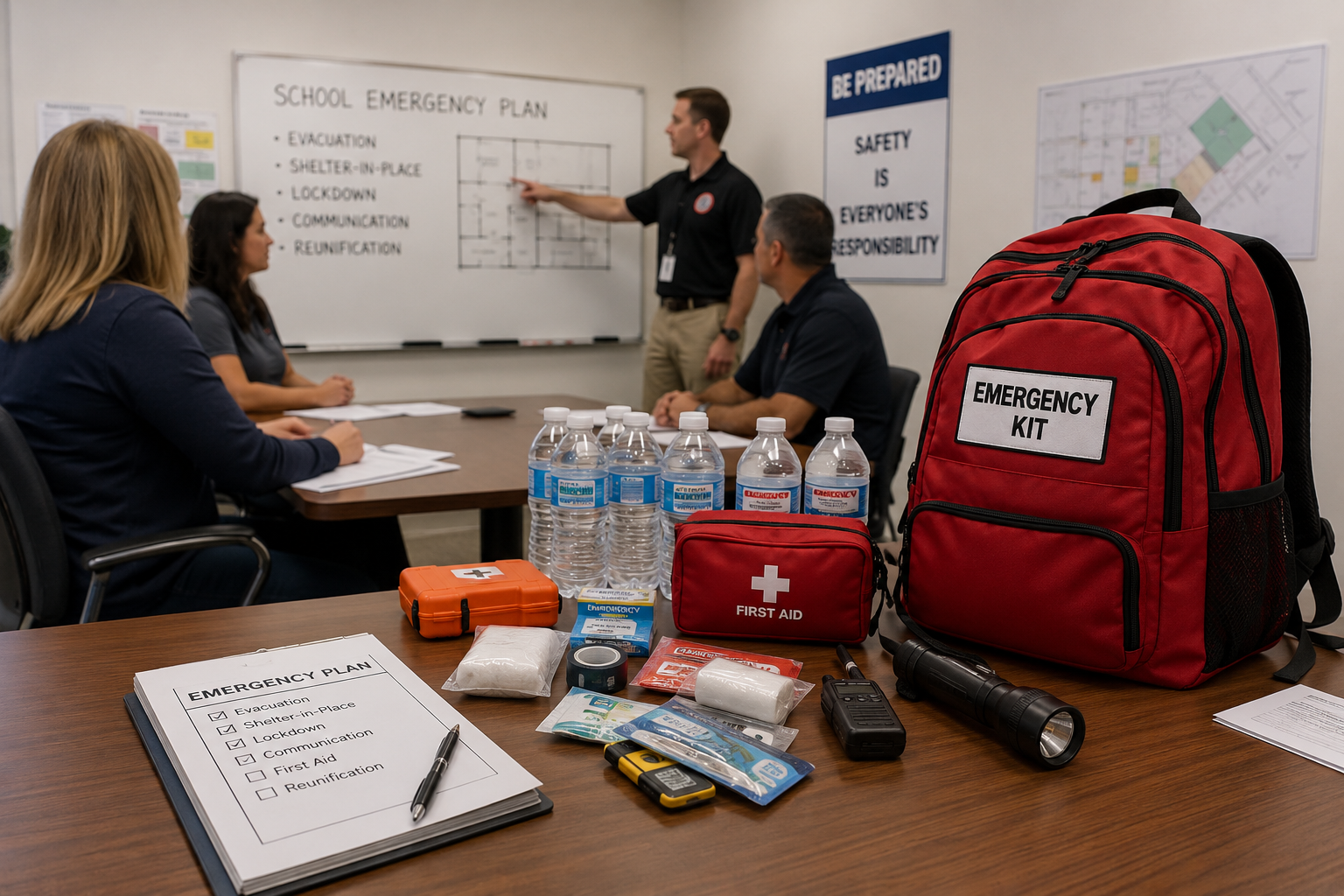
Employees should know how the business communicates weather alerts and whether an emergency requires evacuation, shelter-in-place, delayed operations, or another response.
Review the company's emergency action plan before severe weather creates a real test.
Make sure employees understand:
- How emergency alerts are delivered
- Who is responsible for key decisions
- Where evacuation routes lead
- Where employees should shelter
- How workers will be accounted for
- Who contacts emergency services
If these answers are unclear, fall is a good time to update the plan.
For a deeper review, see Emergency Evacuation Plan: How to Prepare Your Business.

How Can a Fall Safety Review Improve Workplace Emergency Readiness?
A fall safety review can uncover seasonal hazards and preparedness gaps before they lead to injuries or emergency delays.
The review does not need to be complicated. Walk through the workplace and examine it from an employee's perspective.
Look at entrances, parking areas, workspaces, emergency exits, company vehicles, first aid supplies, and outdoor areas.
Then ask:
- Have workplace conditions changed?
- Are walking surfaces safe?
- Is outdoor lighting adequate?
- Are emergency exits clear?
- Are first aid kits fully stocked?
- Are emergency response supplies easy to reach?
- Are company vehicles prepared?
- Do employees understand emergency procedures?
Correct problems as they are found.
Seasonal workplace safety works best when hazard prevention and emergency preparedness are treated as part of the same plan.
Rapid Rescue Kits helps businesses prepare for serious workplace emergencies with organized emergency response supplies for offices, warehouses, schools, job sites, fleets, and commercial facilities.
As fall conditions change, take time to review your workplace, inspect your emergency equipment, and prepare your employees for the colder months ahead. Businesses that need to equip multiple departments, vehicles, or facilities can contact Rapid Rescue Kits about bulk emergency kit options.
Frequently Asked Questions
Q: What are the most common workplace safety hazards in the fall?
A: Common fall hazards include wet leaves, slippery wet floors, rain, mud, early ice, shorter daylight hours, colder temperatures, and severe weather. The specific risks depend on the workplace and the type of work employees perform.
Q: How can employers prevent slips and falls during autumn?
A: Employers can reduce slips and falls by keeping walking surfaces clean and dry, removing leaves, cleaning spills promptly, maintaining clear walkways, and checking exterior lighting. Regular inspections can identify seasonal hazards before an injury occurs.
Q: When should businesses prepare for cold-weather workplace hazards?
A: Businesses should begin preparing during fall, before freezing temperatures and winter storms become common. This gives employers time to inspect outdoor work areas, company vehicles, emergency supplies, and cold-weather procedures.
Q: What emergency supplies should businesses check in the fall?
A: Businesses should inspect first aid supplies, bleeding control equipment, emergency blankets, flashlights, batteries, portable chargers, communication tools, and other supplies that match workplace risks. Used, expired, or damaged items should be replaced.
Q: Why is fall a good time to review a workplace emergency plan?
A: Fall is a useful time to review emergency plans because changing weather, shorter daylight, and colder conditions introduce new risks. Reviewing plans before winter also gives businesses time to correct evacuation, communication, equipment, or training gaps.