


How Many First Aid Kits Does My Business Need?

Rapid Rescue Kits Editorial Team • May 29, 2026

A Workplace Safety Guide for Businesses


Every business needs accessible first aid supplies, but one of the most common questions employers ask is: How many first aid kits do I actually need? The answer depends on your facility size, workforce, industry, and workplace hazards.


While OSHA requires businesses to provide adequate first aid supplies, there is no universal rule that says every company must have a specific number of kits. Instead, employers are expected to ensure employees can quickly access appropriate emergency supplies whenever an incident occurs.


Whether you operate a small office, a warehouse, a construction company, or a fleet of service vehicles, understanding how many first aid kits your business needs is an important part of workplace safety and emergency preparedness.


Does OSHA Require a Certain Number of First Aid Kits in a Workplace?


No. OSHA does not specify an exact number of first aid kits businesses must maintain. Instead, OSHA requires employers to provide adequate and readily accessible first aid supplies based on workplace conditions and potential hazards.


Factors that influence the number of kits needed include:


  • Number of employees
  • Facility size and layout
  • Workplace hazards
  • Distance from medical facilities
  • Number of shifts or crews
  • Remote work locations
  • Company vehicles operating off-site


This allows businesses to create emergency preparedness plans that fit their unique environments rather than following a one-size-fits-all standard.


Office kitchenette with a man at the counter, coworkers in the background, and first aid kit on the wall

How Does the Size of My Business Affect the Number of First Aid Kits Needed?


As a business grows, so does the need for additional emergency supplies.


Small Businesses (1–25 Employees)

Smaller offices and facilities can often function effectively with one centrally located first aid kit. However, additional kits may be necessary if employees work in separate areas or multiple buildings.


Medium-Sized Businesses (25–100 Employees)

Businesses of this size typically require multiple first aid kits throughout the facility. Employees should be able to reach emergency supplies quickly regardless of their work area.


Large Businesses (100+ Employees)

Larger facilities often need multiple first aid stations distributed across departments, floors, production areas, and work zones. Specialized kits may also be necessary for high-risk operations.


As facilities expand, accessibility becomes just as important as the supplies themselves.


Where Should First Aid Kits Be Located in a Workplace?


One of the biggest workplace safety mistakes is placing first aid kits in locations that are difficult to access during an emergency.


First aid kits should be placed:


  • Near employee workstations
  • In break rooms and common areas
  • Near entrances and exits
  • In warehouses and production areas
  • On every floor of multi-story buildings
  • In company vehicles
  • Near higher-risk work environments


Employees should never waste valuable time searching for emergency supplies when an injury occurs.


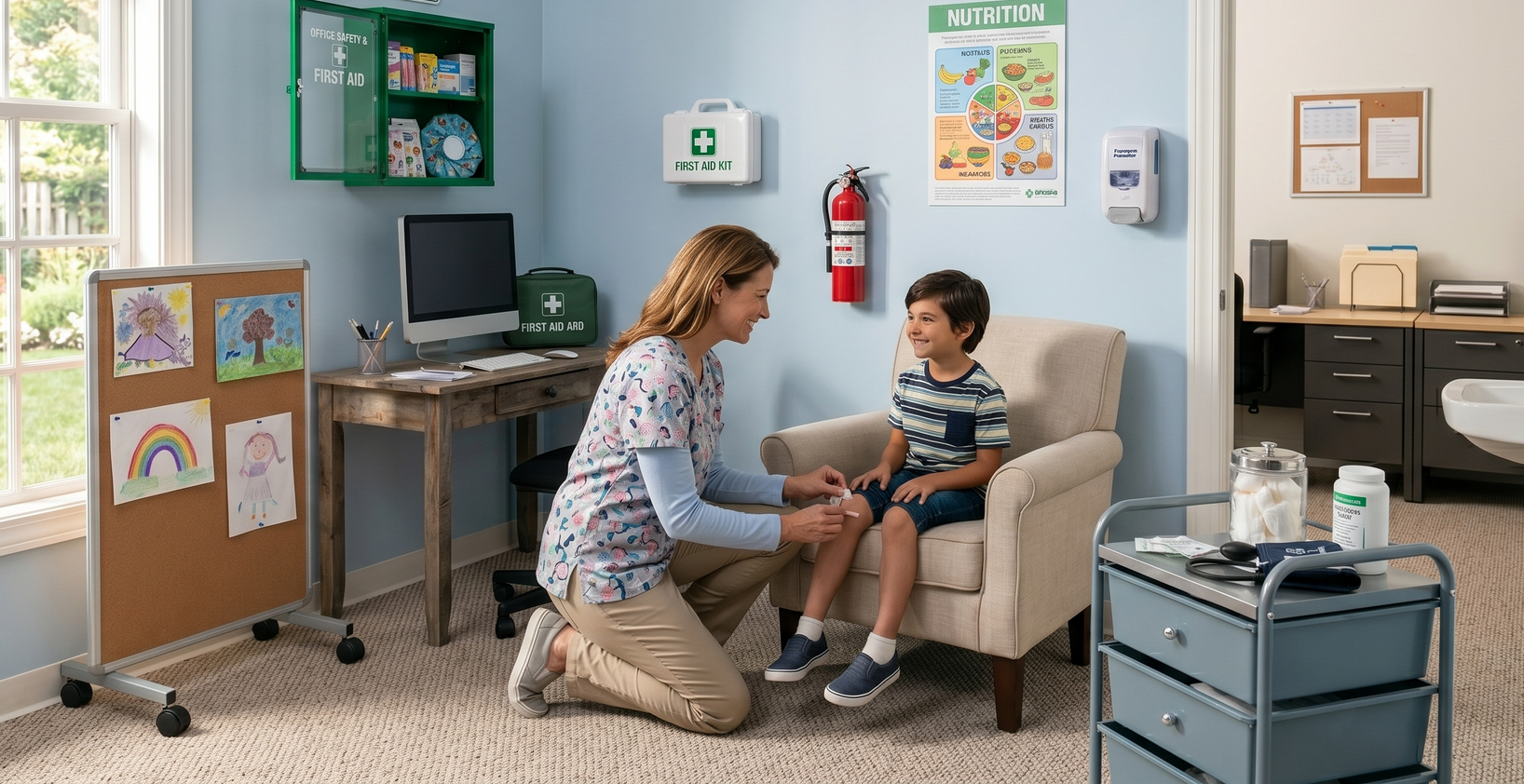
Nurse is treating a child with a skinned knee in a school office.

Do Different Industries Require Different Numbers of First Aid Kits?


Yes. Industry-specific risks often determine both the quantity and type of first aid kits needed.


Office Environments

Office settings typically require strategically placed first aid kits throughout the building. Larger offices or multi-floor facilities often need multiple kits to ensure accessibility.


Warehouses and Distribution Centers

Because employees may be spread across large spaces and work around machinery, warehouses often require several first aid stations throughout the facility.


Construction Sites

Construction sites frequently require both first aid kits and trauma kits. Supplies should be located near active work zones and relocated as projects evolve.


Schools and Campuses

Educational facilities often benefit from kits located in administrative offices, athletic facilities, classrooms, and gathering areas.


Remote Worksites

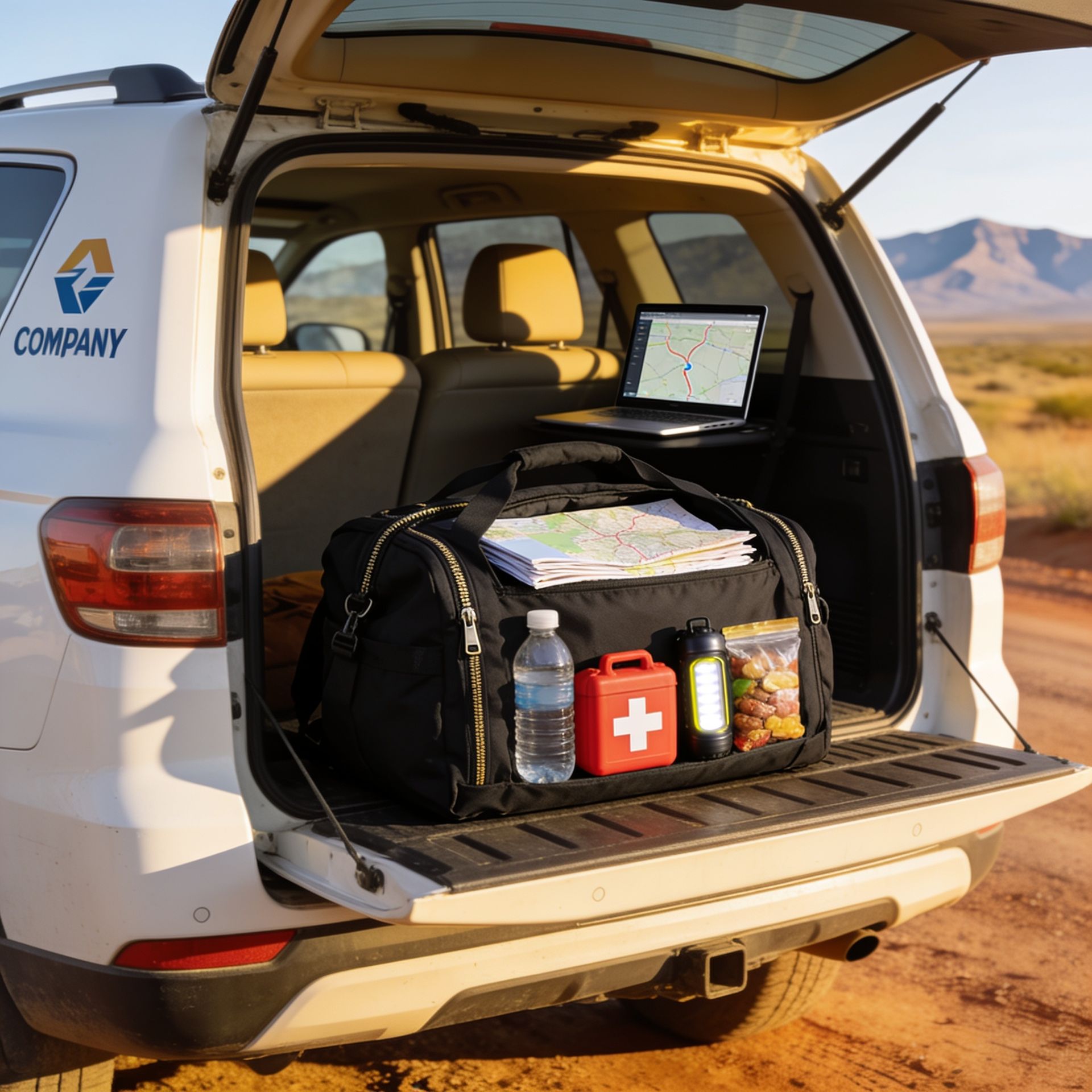
Utility crews, field technicians, and mobile service teams should carry emergency kits directly in vehicles or mobile workstations.


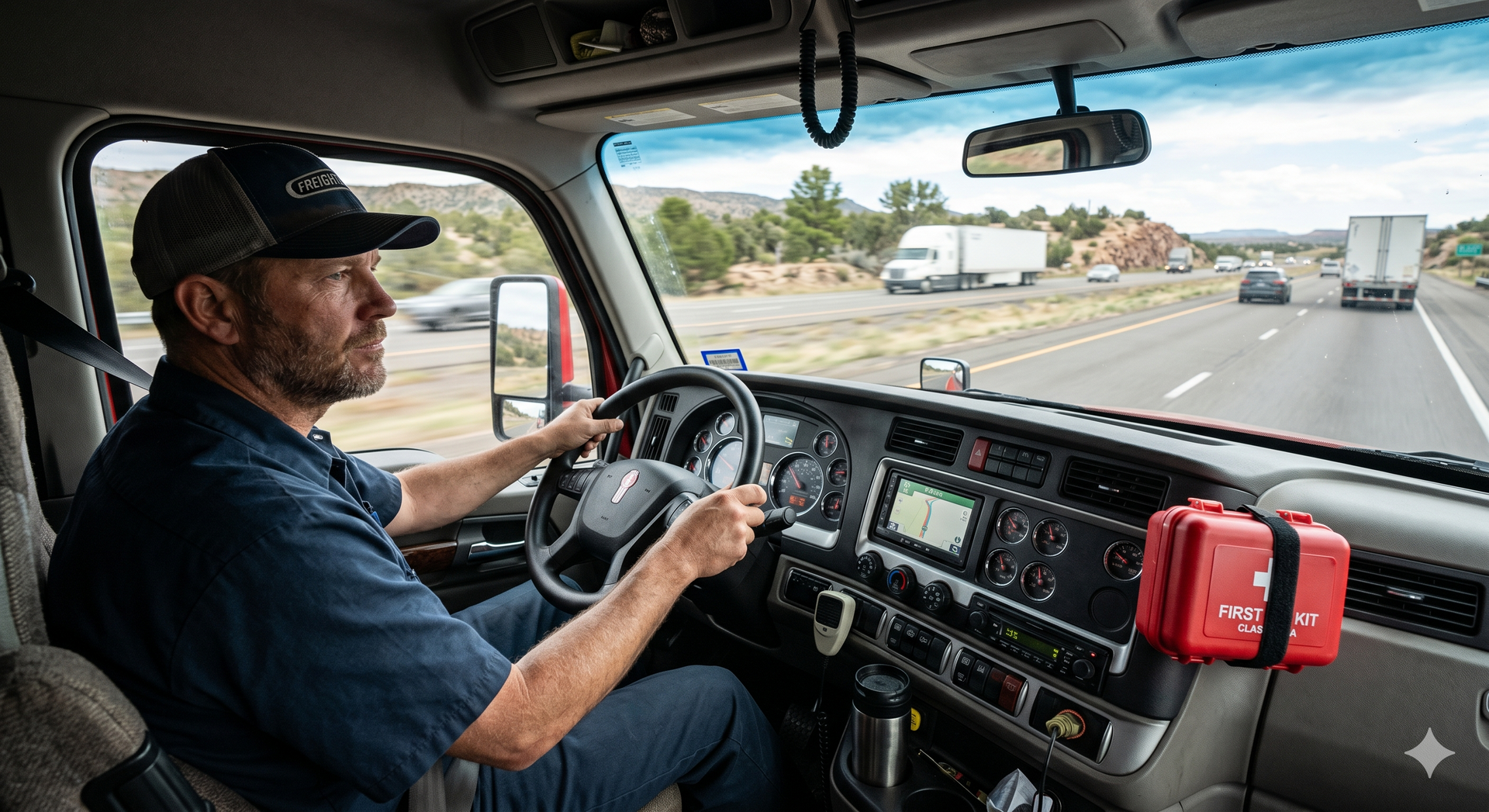
Truck driver steering on a highway, viewed from the cab with dashboard and first aid kit visible

Should Every Company Vehicle Have Its Own First Aid Kit?


Absolutely. Company vehicles should be treated as extensions of the workplace.


Employees operating service vehicles, delivery vans, utility trucks, or company cars often work far from immediate medical assistance. A dedicated vehicle emergency kit helps employees respond to injuries and roadside incidents until professional help arrives.


A company vehicle emergency kit should typically include:


  • Basic first aid supplies
  • Disposable gloves
  • CPR face shield
  • Flashlight
  • Reflective safety equipment
  • Roadside emergency tools
  • Emergency blanket
  • Portable phone charger


For businesses with multiple vehicles, standardizing emergency kits across the fleet can simplify inspections and improve preparedness.


How Often Should Businesses Inspect Their First Aid Kits?


Even the best-equipped first aid kit becomes ineffective if supplies are missing, damaged, or expired.


Businesses should:


  • Inspect kits monthly
  • Replace used supplies immediately
  • Remove expired items
  • Verify all kits remain fully stocked
  • Update contents as workplace risks change


Regular inspections help ensure compliance while improving emergency readiness.


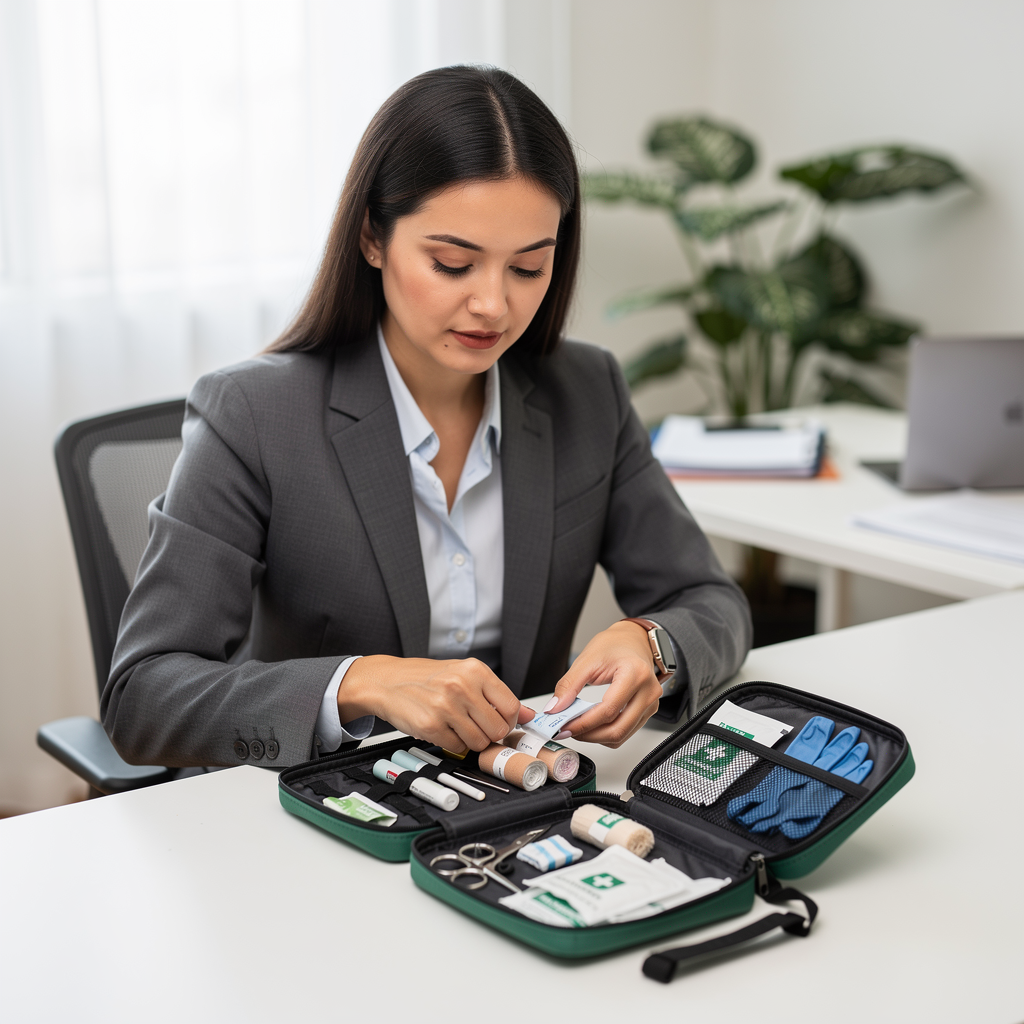
Manager at a small office smiles as she looks online for a first aid kit that fits her workplace.

How Can Businesses Choose the Right

First Aid Kits?


Choosing the right first aid kit begins with understanding workplace risks and employee needs.


Businesses should look for kits that:


  • Align with OSHA and ANSI recommendations
  • Match workplace hazards and hazardous materials
  • Are easy to access and maintain
  • Provide sufficient supplies for the workforce
  • Include advanced trauma supplies when appropriate


Professional emergency kits help simplify preparedness and ensure businesses are ready when emergencies happen.


Why Is Workplace Emergency Preparedness Important for Employee Safety?


A well-prepared workplace protects employees, reduces liability, and improves emergency response outcomes. Whether you operate a small office or a large industrial facility, having the appropriate number of first aid kits with safety training and safety protocols can make a significant difference when every second counts.


Rapid Rescue Kits provides professional-grade emergency response kits designed for offices, warehouses, construction sites, schools, fleet vehicles, and commercial facilities. Equipping your workplace with the right emergency supplies helps create a safer environment for employees and visitors alike.


If your business is evaluating its emergency preparedness strategy, now is the perfect time to assess your first aid kit coverage and ensure your team is ready for the unexpected.


Frequently Asked Questions


  • Q: Does OSHA require a certain number of first aid kits per employee?

    A: No. OSHA does not specify a required number of first aid kits per employee. Employers must provide adequate and accessible first aid supplies based on workplace conditions and hazards.

  • Q: How many first aid kits should a small business have?

    A: Most small businesses need at least one centrally located first aid kit. Additional kits may be needed if employees work in multiple areas, buildings, or vehicles.

  • Q: Should company vehicles carry first aid kits?

    A: Yes. Company vehicles should have dedicated emergency kits to help employees respond to injuries, roadside incidents, and emergencies while away from the main workplace.

  • Q: Where is the best place to put a first aid kit at work?

    A: First aid kits should be stored in visible, accessible locations near workstations, break rooms, entrances, warehouses, and other high-traffic areas.

  • Q: How often should workplace first aid kits be inspected?

    A: Most businesses should inspect first aid kits monthly and immediately replace any used, missing, or expired supplies.

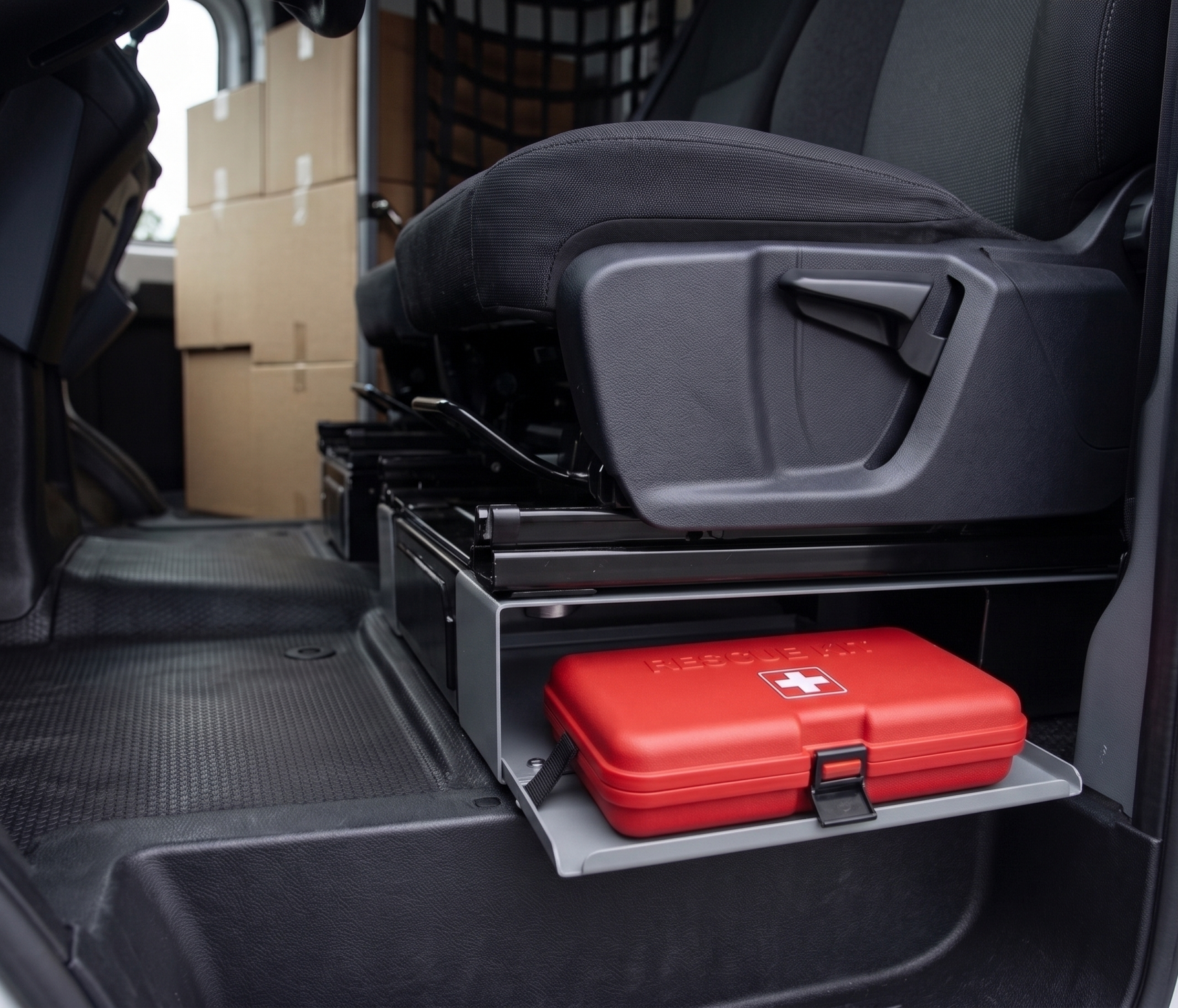
Red first aid kit on a slide-out tray inside a vehicle cargo area under a gray seat.
By Rapid Rescue Kits Editorial Team April 29, 2026
Learn what every company vehicle should carry in an emergency kit, including first aid supplies, roadside gear, and fleet safety essentials. Rapid Rescue Kits.
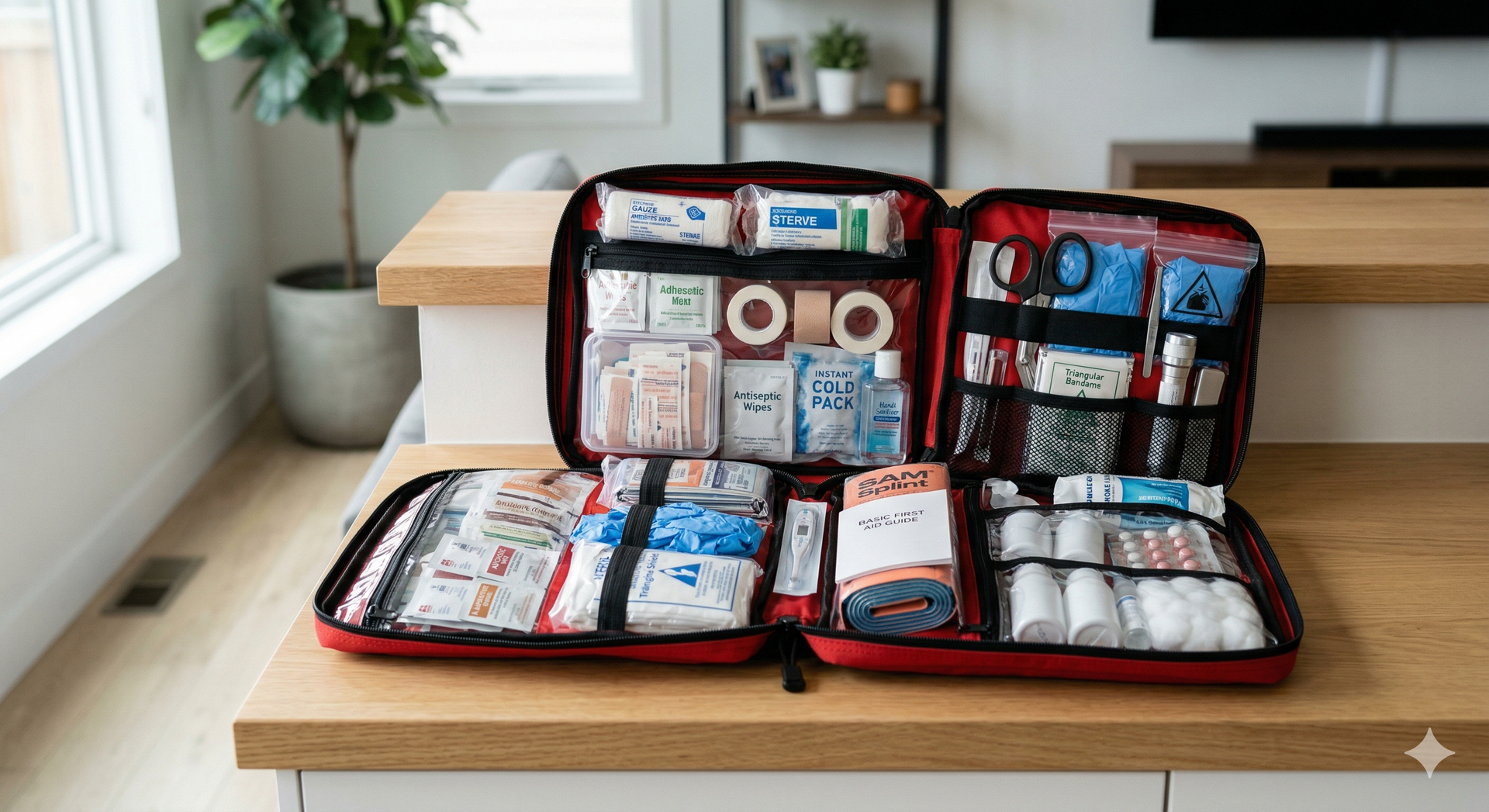
An open, red first aid kit filled with various medical supplies, organized in clear compartments on a wooden surface.
By Rapid Rescue Kits Editorial Team April 1, 2026
Learn what should be in an emergency kit with a complete checklist for home, workplace, and travel preparedness. Stay ready for any emergency situation or need.

A busy office setting features a wall-mounted first aid kit in the foreground with people working at desks in the background.
By Rapid Rescue Kits Editorial Team March 31, 2026
Learn the OSHA first aid kit requirements for businesses, ANSI requirements, what to include, and how to stay compliant with workplace safety standards in 2026.
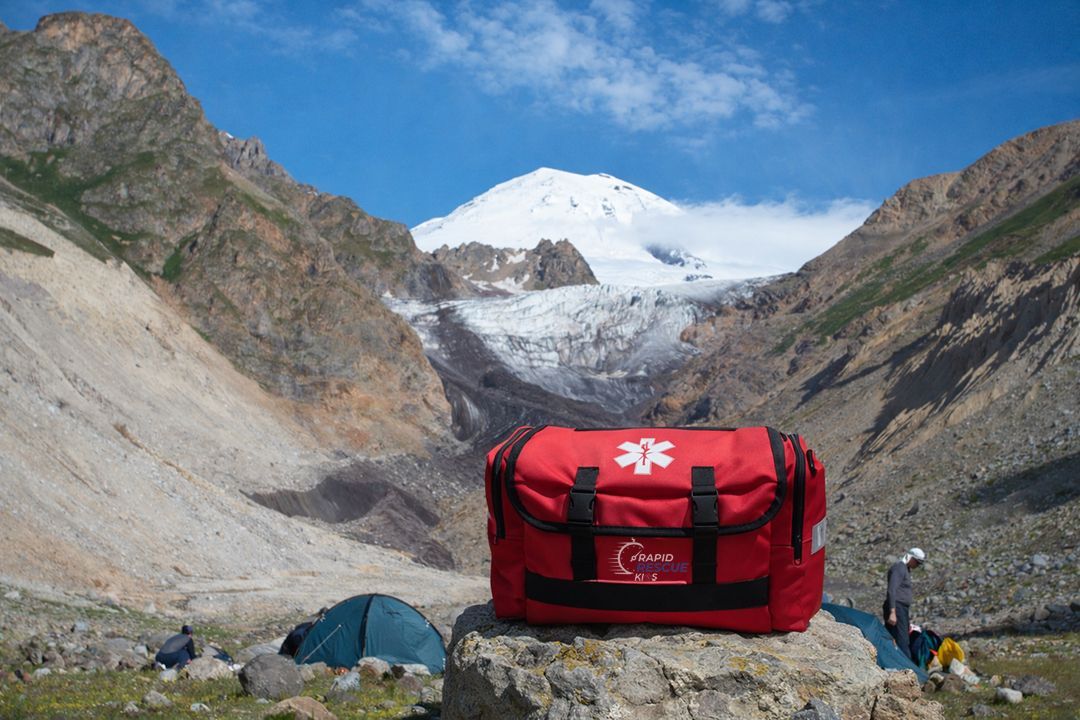
Rapid Rescue Kits emergency trauma bag staged at outdoor adventure basecamp for remote emergency
By Rapid Rescue Kits Editorial Team February 28, 2026
Outdoor operators face unique risks. Learn why ski resorts, rafting companies, and guides trust Rapid Rescue Kits for emergency preparedness.
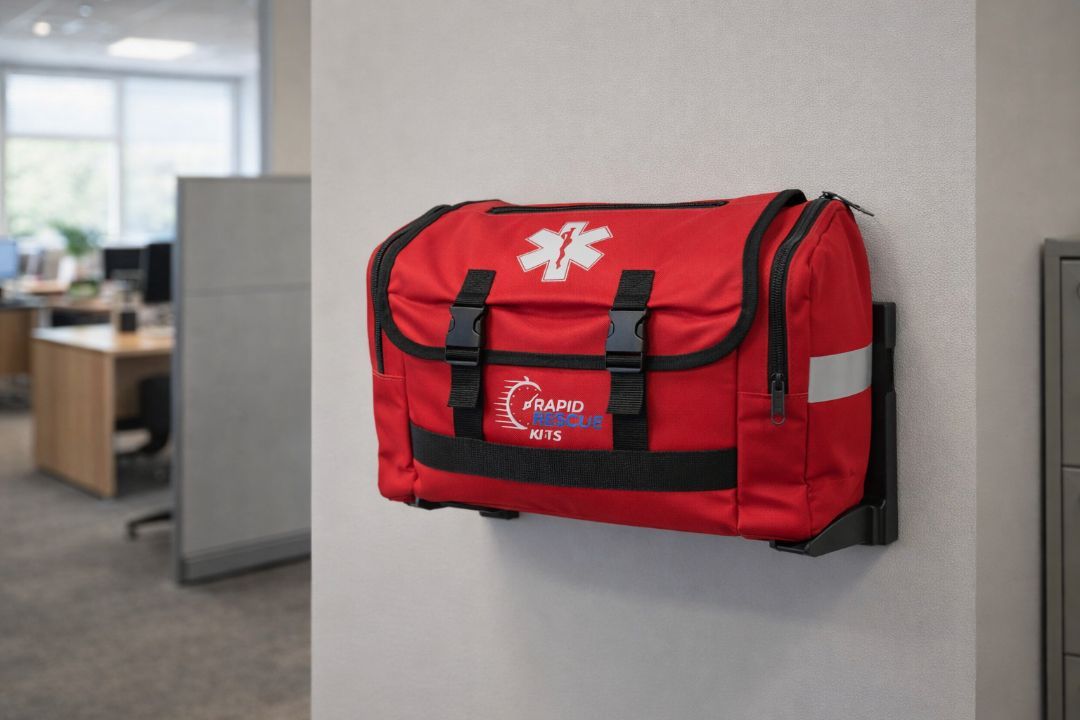
Rapid Rescue Kits emergency trauma bag mounted on office wall for fast workplace emergency response
By Rapid Rescue Kits Editorial Team February 12, 2026
Protect employees and reduce risk with professional emergency response kits. Learn why businesses trust Rapid Rescue Kits for real emergencies.
Red medical bag on a bench in front of a university building with students walking.
By Rapid Rescue Kits Editorial Team January 29, 2026
Discover why Stop the Bleed kits are essential for schools, what supplies they should include, where to place them on campus, and how trauma preparedness protects students and staff.
Red medical bag and green first aid kit on black background.
By Rapid Rescue Kits Editorial Team January 15, 2026
Learn the difference between a trauma kit and a first aid kit, what each one is designed for, and how to choose the right emergency kit for home, work, sports, or travel readiness.
outdoor first aid kit
By Rapid Rescue Kits Editorial Team December 23, 2025
Heading into mountains, deserts, or remote trails? Build the 2026 hiker first-aid loadout built for real injuries and real wilderness conditions.
emergency kit for families
By Rapid Rescue Kits Editorial Team December 11, 2025
Build a 2026-ready family emergency plan for your home, car, and when going outdoor. Choose the right first-aid and trauma kits for real-life parent scenarios.
What Type of Rescue Kit Does Your Workplace Actually Need?
By Rapid Rescue Kits Editorial Team October 30, 2025
Find out what type of rescue kit your workplace needs. Learn how to choose the right OSHA-compliant kit to keep your team safe and prepared.
Show More