
How Long Will the Supplies in Your Rescue Kit Last? Expert Guide by Rapid Rescue Kits

Rapid Rescue Kit • October 30, 2025

TLDR:


Most rescue kit supplies last between two to five years depending on the item and how you store them. Food, water, and first aid materials expire faster than tools and shelter items. Check and refresh your kit every six months to ensure everything is ready when you need it—regularly maintaining your rescue kit helps prevent expired or damaged supplies from failing during an emergency.

Why Knowing How Long Your Rescue Kit Supplies Last Matters

Your rescue kit is only as reliable as the supplies inside. Over time, food loses nutrition, adhesives dry out, batteries corrode, and water containers degrade. Knowing how long each item lasts prevents failure during emergencies. This guide explains the shelf life of common rescue kit components, how to maintain them, and how Rapid Rescue Kits recommends you keep your gear ready year-round.

Understanding the Lifespan of Rescue Kit Supplies

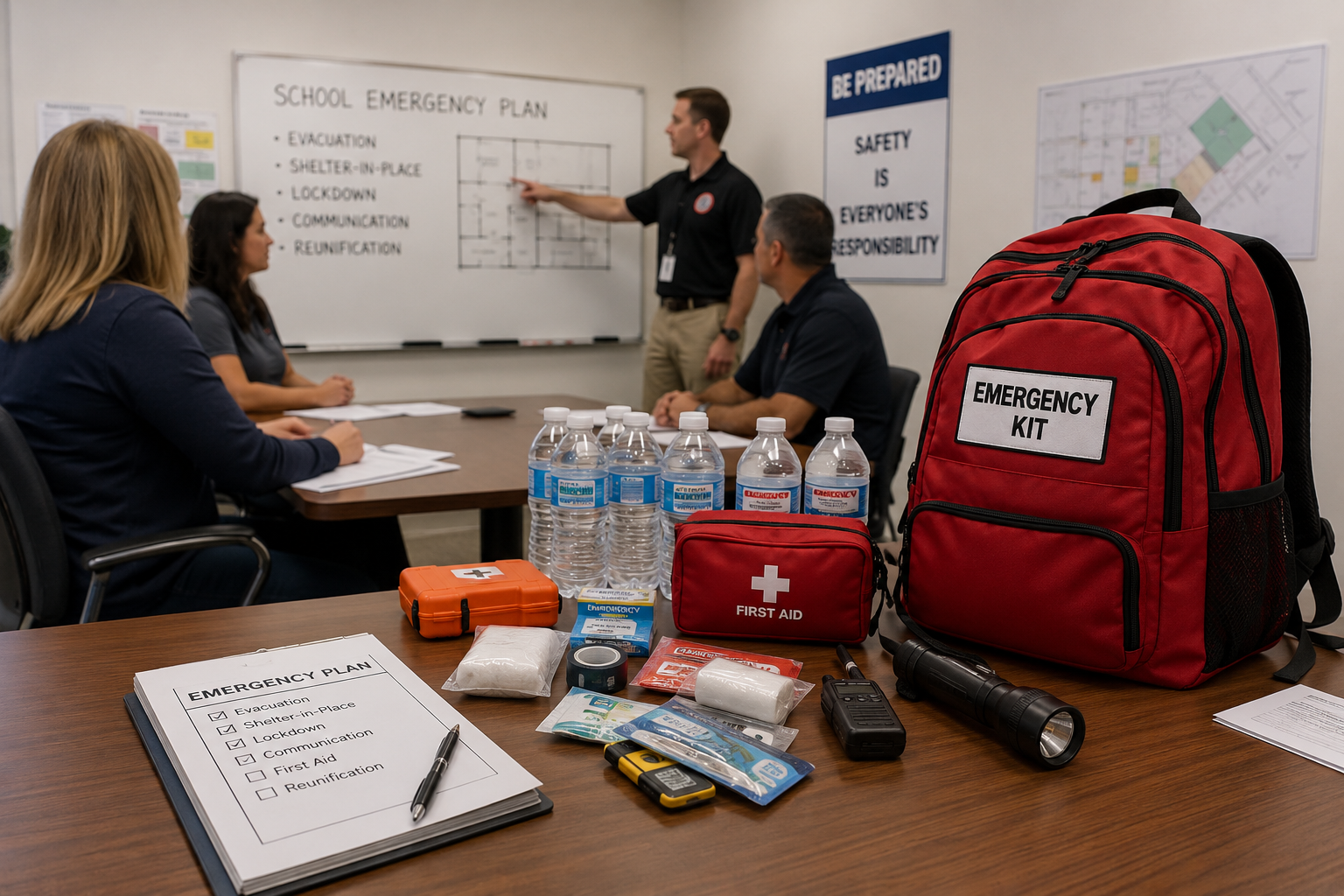
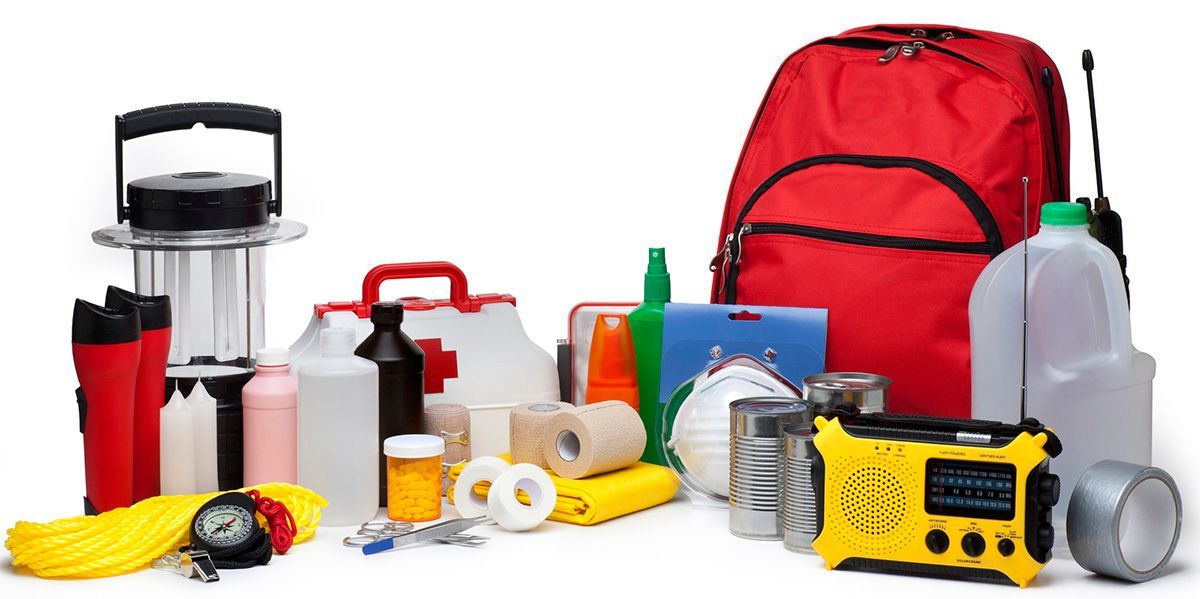
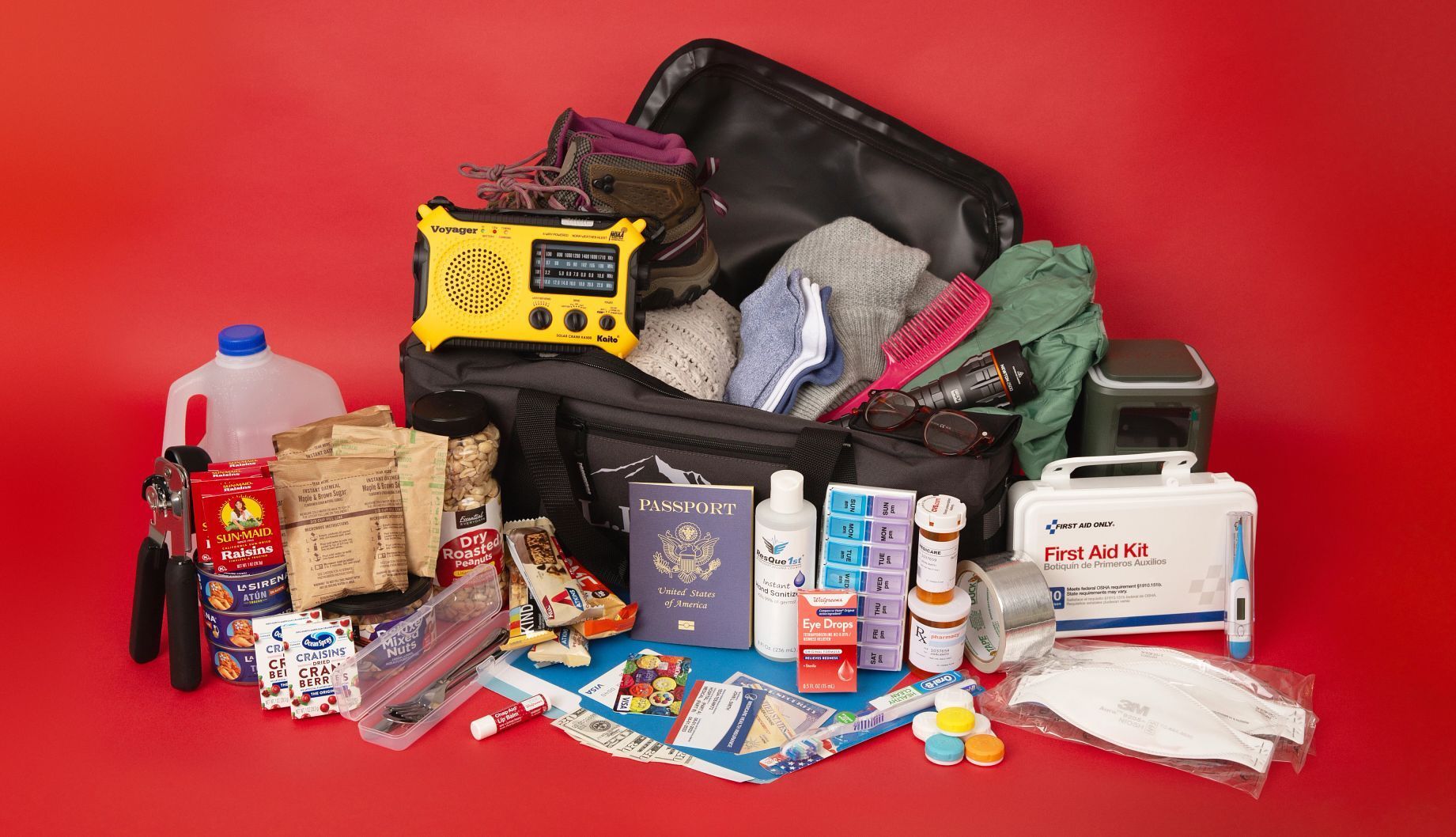
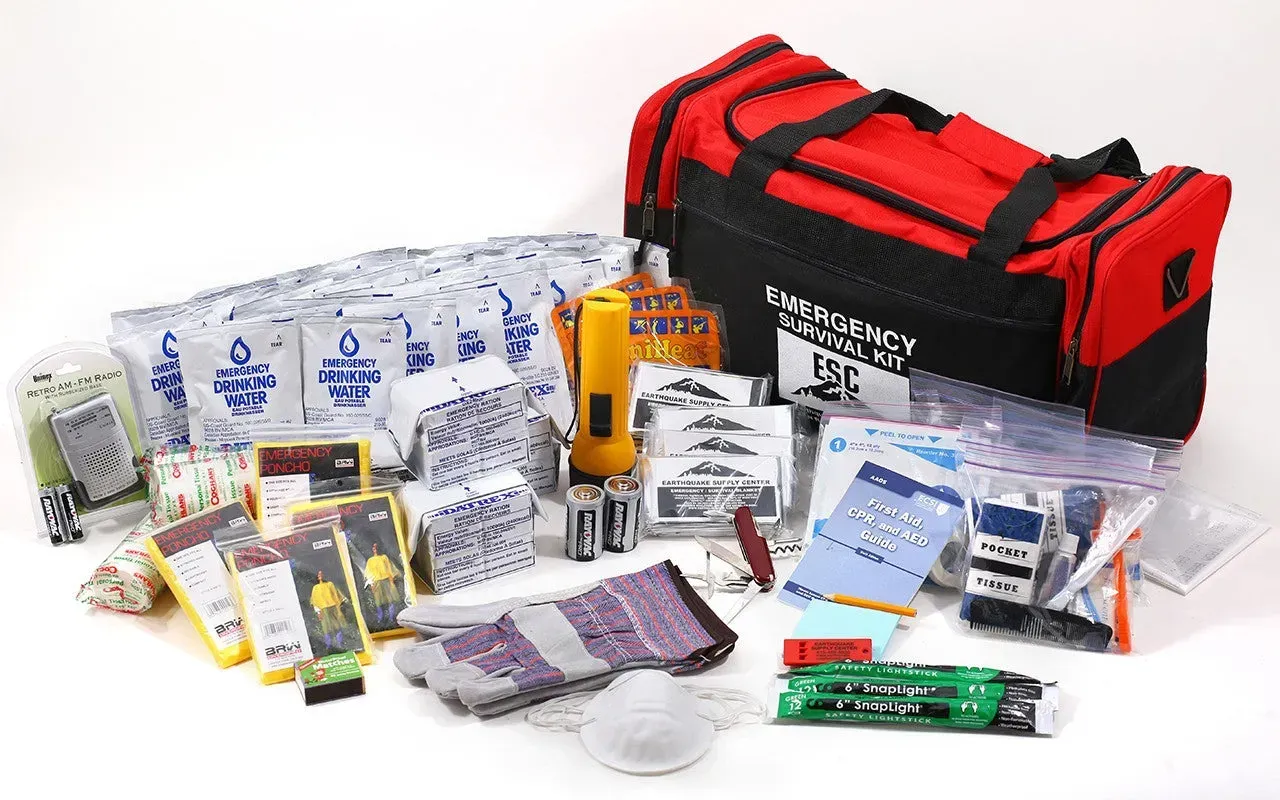
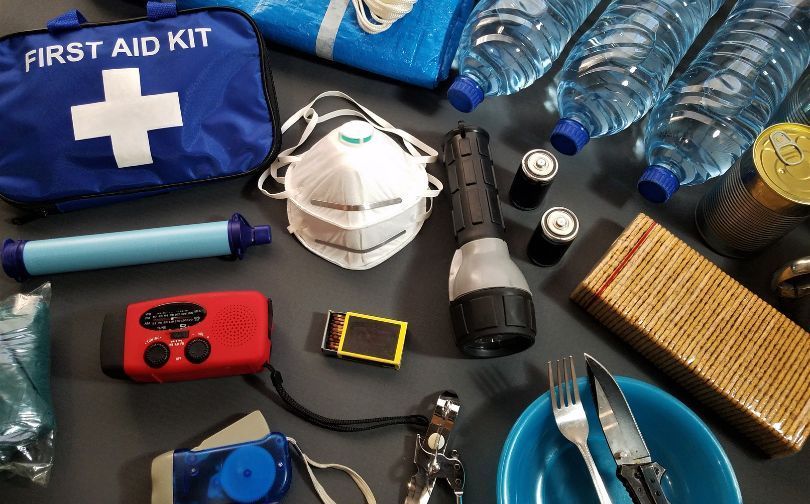
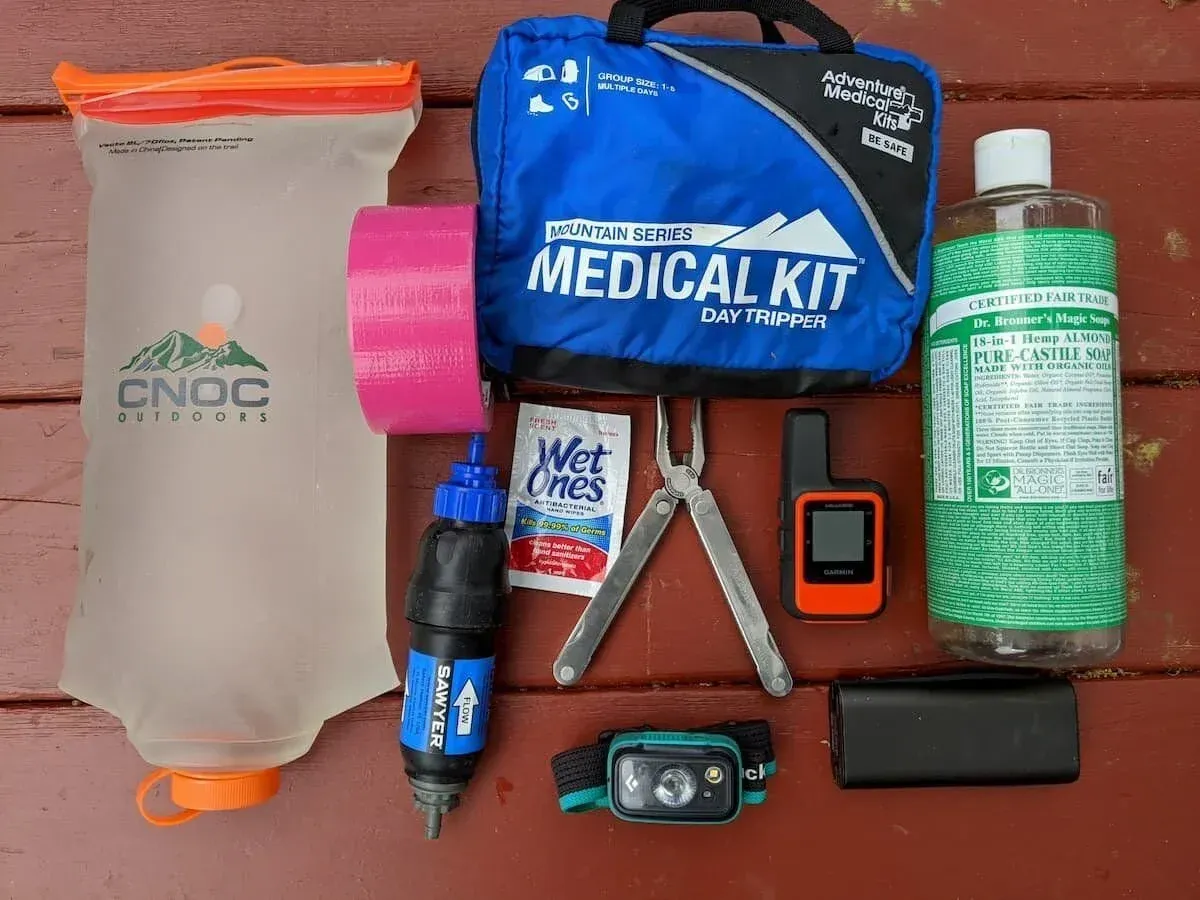
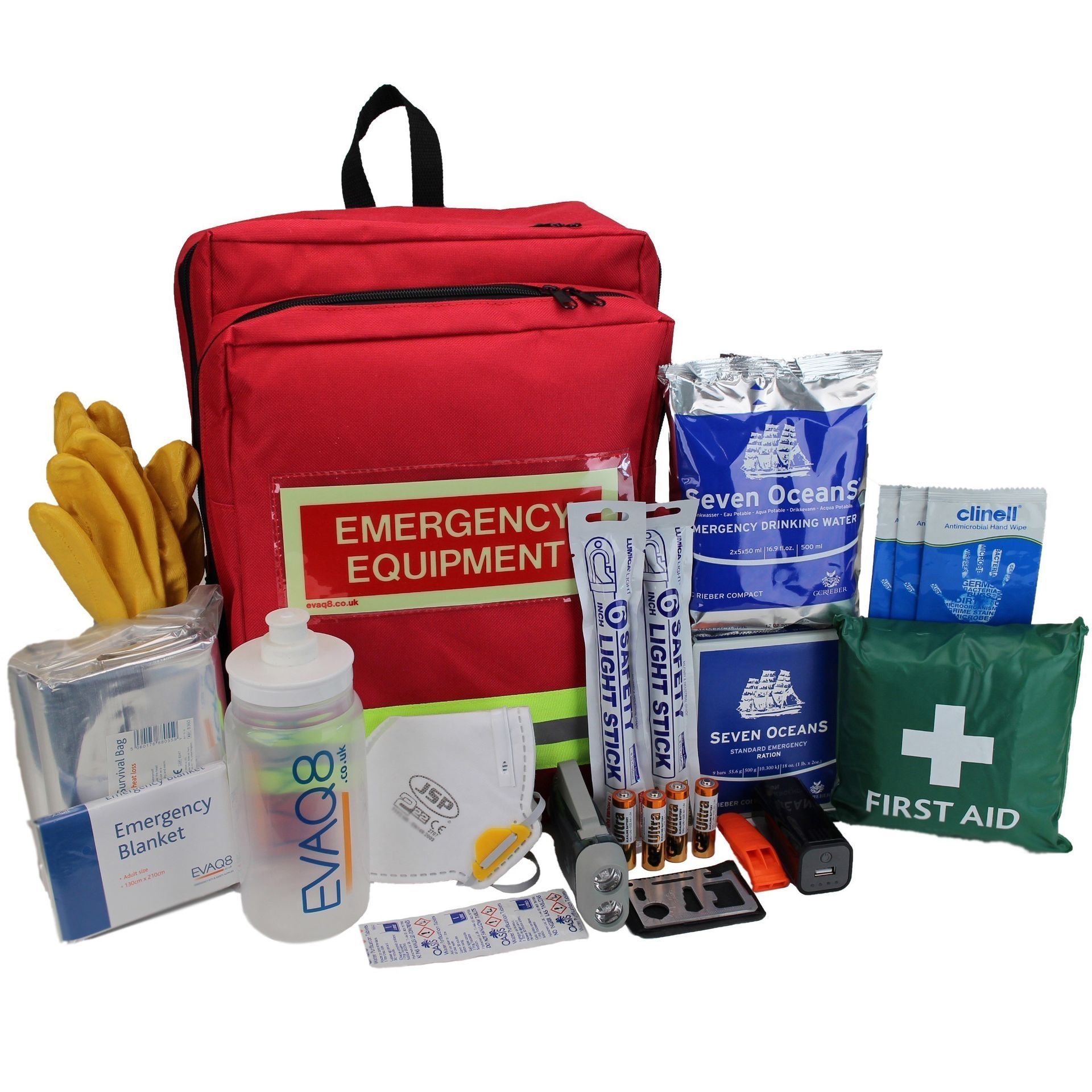
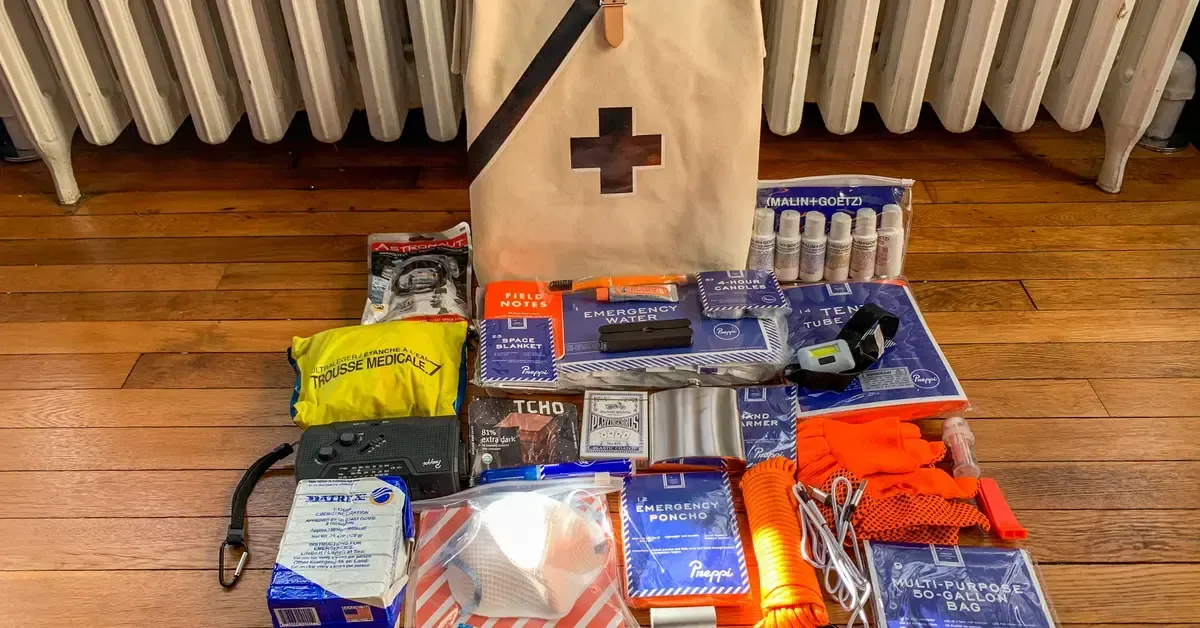
A rescue kit, also called an emergency kit or survival kit, holds what you need to survive in a crisis. Common contents include:


  • Water and non-perishable food

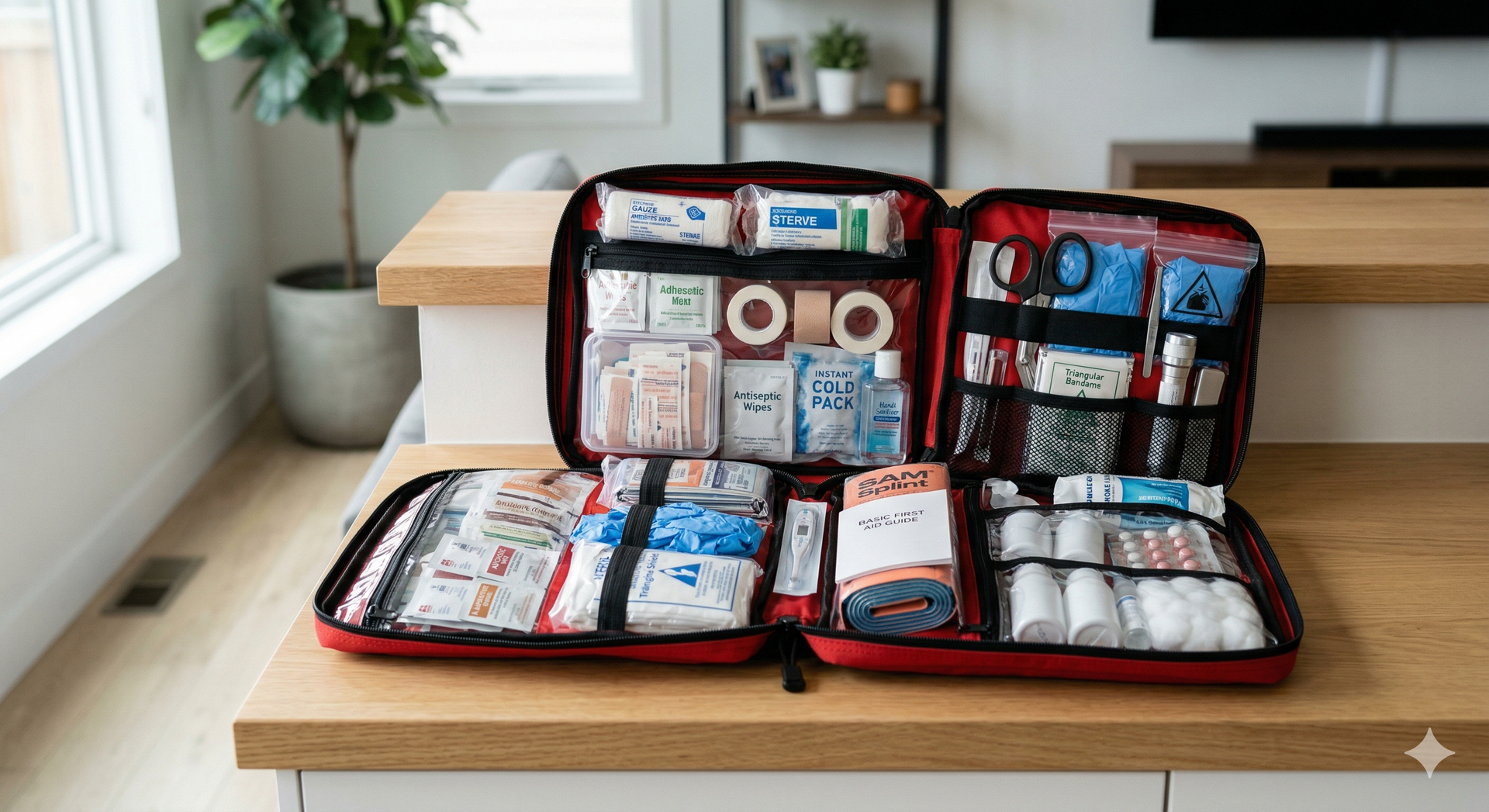
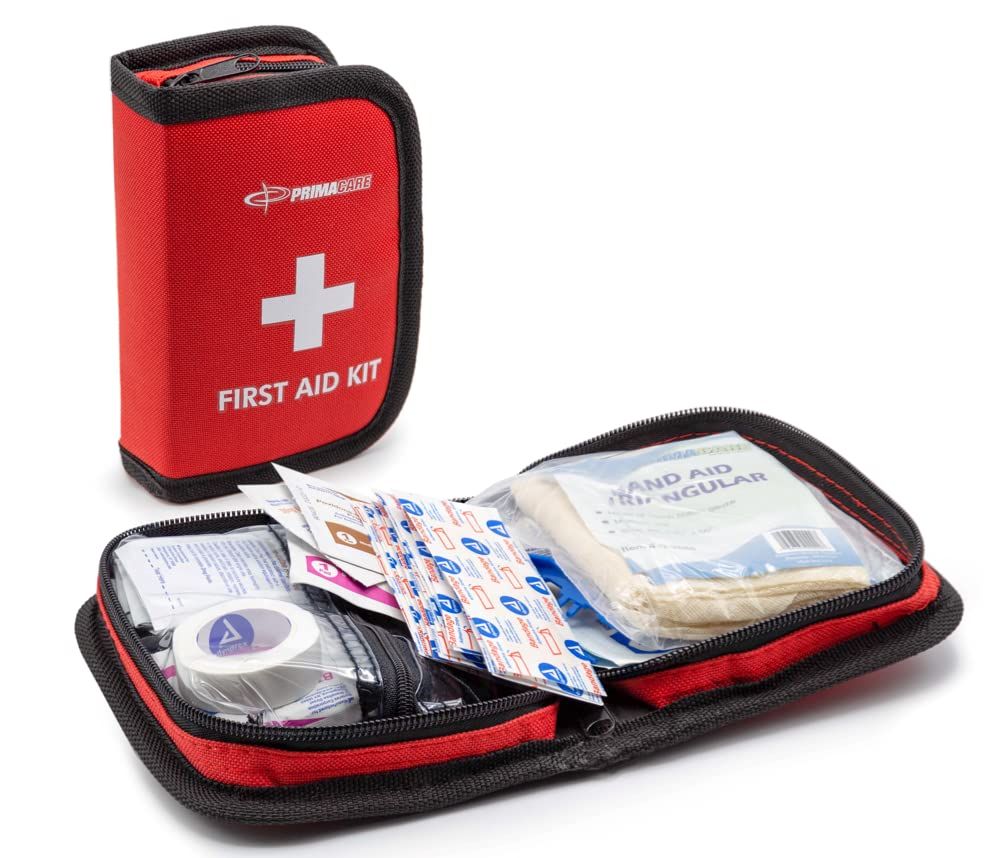
  • First aid supplies and medications

  • Flashlights, batteries, and radios

  • Tools, blankets, and hygiene items

Some of these supplies last decades, while others need replacing within a year. The word “last” doesn’t only mean “not spoiled.” It also means “still effective.” For example:


  • Bandages lose stickiness even if sterile

  • Canned food may taste fine but lose nutrients

  • Flashlights corrode internally even when unused

Shelf life and functional life are different. Shelf life is how long the product stays safe and effective when stored correctly. Functional life is how long it performs after you open or use it.

Rescue Kit Supply Shelf Life by Category

Each type of supply has its own aging pattern. Below is an expert overview from Rapid Rescue Kits.


Food and Water Lifespan


  • Bottled water: Commercially sealed water typically lasts about two years. Replace sooner if bottles show swelling, leaks, or cloudiness.

  • Emergency food bars: Usually good for about five years. Heat or direct sunlight shortens life.

  • Canned food: Two to five years depending on storage. Avoid bulging or rusted cans.

  • Freeze-dried meals: Can last up to 20 years unopened, but re-seal tightly once opened.

Check all expiration dates printed by manufacturers. Store food and water in cool, dark places to slow degradation.

First Aid and Medical Supplies Lifespan

Medical items degrade through heat, air, and moisture exposure. Replace anything showing discoloration or brittleness.


  • Adhesive bandages: Replace every two to three years; adhesive weakens over time.

  • Antiseptic wipes and alcohol pads: Replace every two years or when dry.

  • Medications: Follow labeled expiration. Potency declines after date.

  • Ointments and creams: Two years unopened. Discard once opened or separated.

  • Sterile gauze and wraps: Usually good for three to five years if packaging remains sealed.

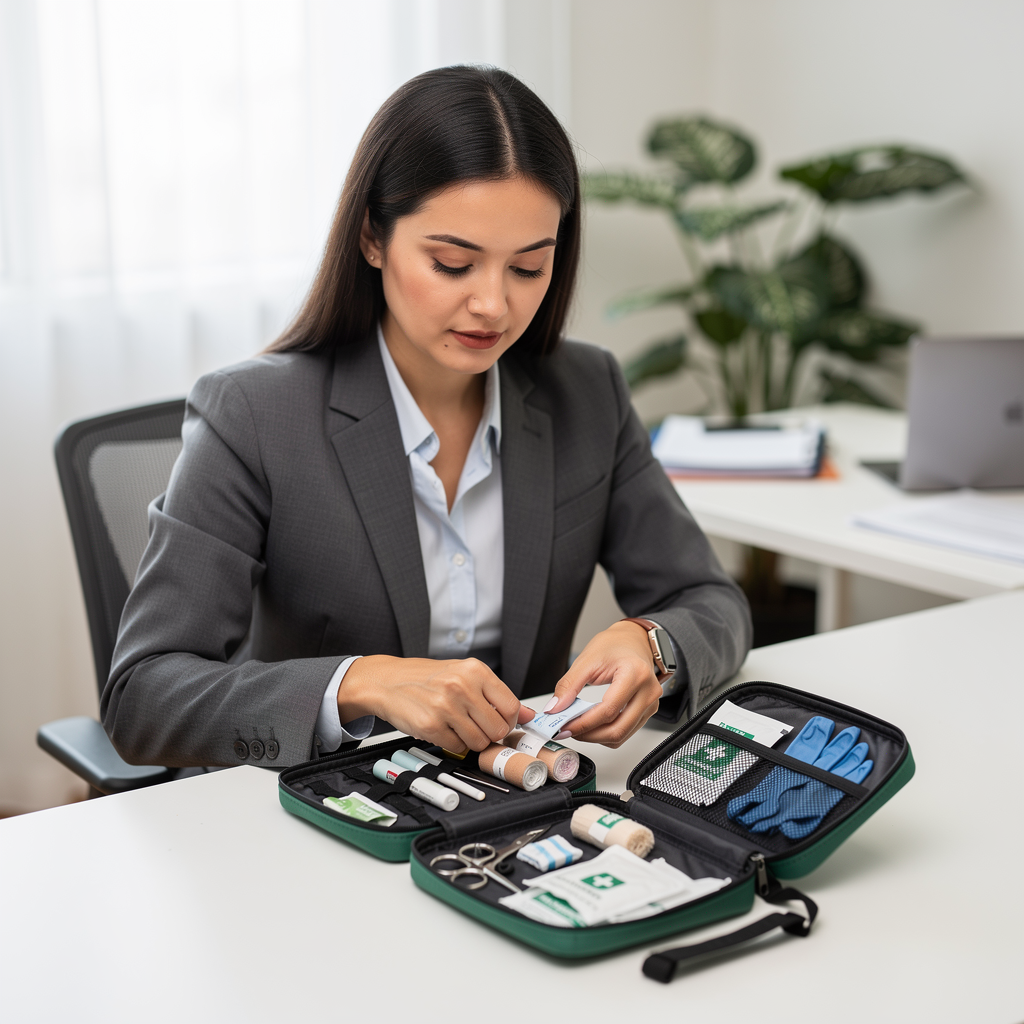
Expired medical items can become unsafe. Rapid Rescue Kits recommends checking your first aid section at least twice per year.

Batteries, Electronics, and Tools Lifespan

Power and mechanical tools have unique maintenance needs.


  • Alkaline batteries: Store for about five years; lithium batteries can last up to 10. Replace if corroded.

  • Rechargeable batteries: Hold charge for two to five years depending on usage.

  • Flashlights, radios, and headlamps: Test quarterly. Plastic seals and switches degrade faster in hot environments.

  • Multi-tools and knives: No true expiration, but lubricate and clean regularly. Rust shortens lifespan.

Check all electronics before storm seasons or road trips.

Shelter, Clothing, and Hygiene Supplies Lifespan

These items don’t usually expire but still degrade over time.


  • Emergency blankets: Mylar blankets last indefinitely if not torn.

  • Tarps and tents: Replace when material becomes brittle or discolored.

  • Clothing: Rotate every few years to match weather and fit.

  • Soap, toothpaste, and hygiene packs: Replace annually to maintain quality.

Environmental exposure breaks down materials faster than time alone.

Factors That Affect Rescue Kit Supplies Lifespan

Storage conditions have the biggest effect on how long your kit remains reliable.


Key factors include:


  • Temperature: Heat accelerates spoilage and chemical breakdown.

  • Humidity: Moisture leads to mold, corrosion, and packaging failure.

  • Sunlight: UV rays weaken plastics and adhesives.

  • Pests: Rodents and insects can destroy packaging or contaminate contents.

  • Handling: Frequent opening or moving can loosen seals or introduce air.

Keep your rescue kit indoors, off the floor, and away from direct light.

Rescue Kit Maintenance Schedule: When to Refresh Your Supplies

Set a routine check twice a year. Many people align these with daylight savings changes.


Your checklist should include:


  • Inspect all food and water for expiration or damage

  • Test batteries and electronics

  • Check tools for rust or corrosion

  • Review medication and replace expired items

  • Ensure documentation and emergency contacts are current

  • Recount supplies for all family members and pets

If any item was used, even once, replace it immediately. Rapid Rescue Kits advises writing expiration dates directly on packaging with a marker for quick visibility.

How to Extend the Lifespan of Your Rescue Kit Supplies

You can lengthen the usability of most supplies with simple steps:


  • Store kits in cool, dry areas below 75°F

  • Keep sealed items airtight

  • Rotate food and water into your regular pantry and replace with new stock

  • Label everything with purchase and expiry dates

  • Use moisture absorbers in containers

  • Avoid storing heavy objects on top of kits

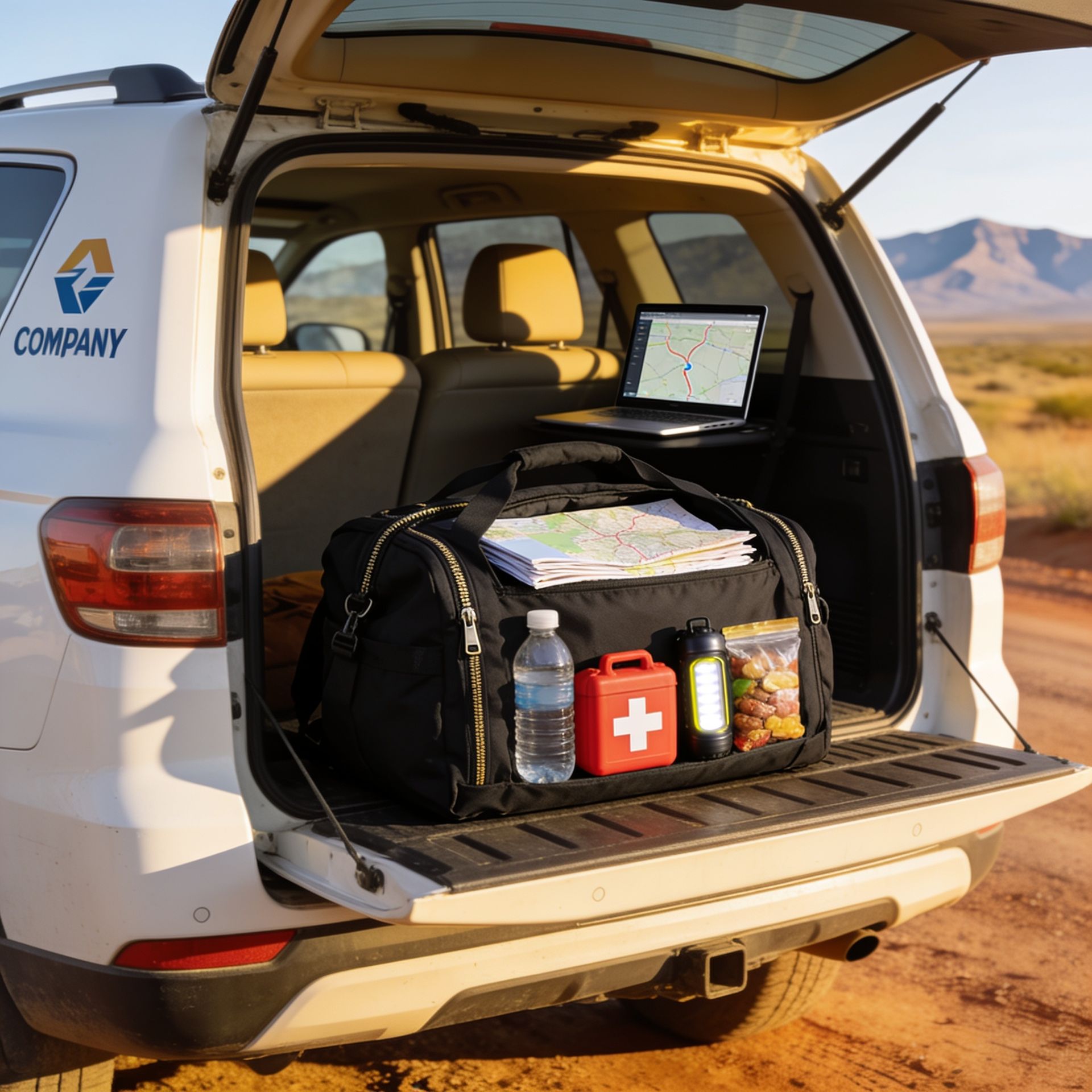
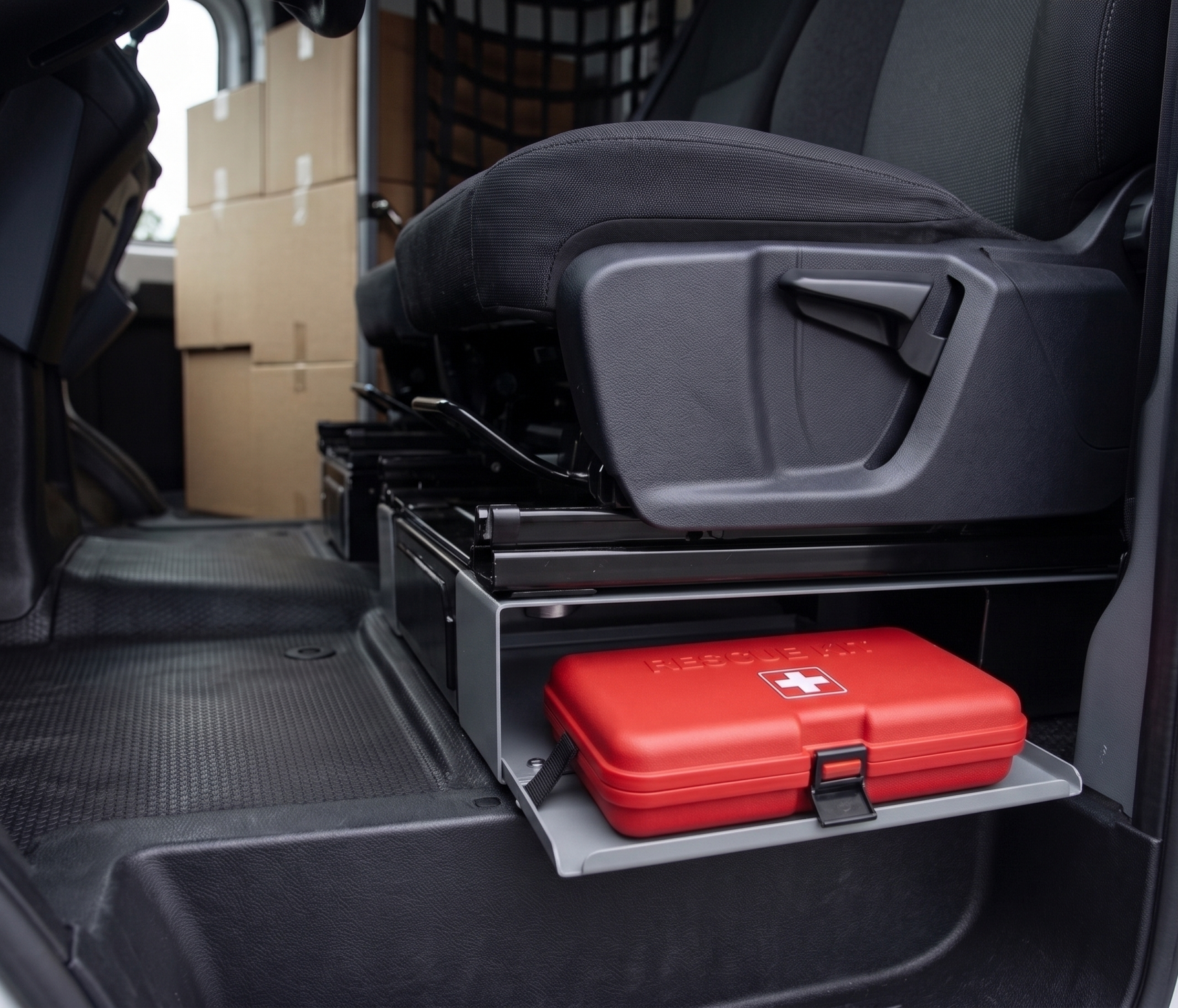
  • Keep duplicate kits for home, car, and office

Quality matters. Rapid Rescue Kits uses long-life, high-grade materials to extend shelf life in its emergency kits.

What Happens When You Use Expired Supplies

Expired supplies pose real risks. Food can become contaminated. Adhesives can fail.


Medications can lose potency. Batteries may leak or corrode equipment.


Examples of failure include:


  • A flashlight that fails during a power outage

  • Non-sterile bandages causing infection

  • Stale food providing little energy during evacuation

The cost of refreshment is minimal compared to the danger of a failed kit. Regular inspection prevents those outcomes.

Rescue Kit Lifespan Calculations and Examples

You can estimate how long your rescue kit will support you by combining number of people, days of supply, and replacement intervals.


Example formula:


Total Need = (People) x (Days of Supply) x (Items per Day)


Common setup examples:


  • Car kit: Supplies for one person, three days

  • Home kit: Supplies for four people, ten days

  • Work kit: Supplies for one person, five days

If you live in an area prone to natural disasters, double the duration for safety. Rapid Rescue Kits designs its products with these parameters in mind, using balanced quantities and durable packaging.

Comparing Lifespans of Different Rescue Kit Components

To help you plan replacements, here’s a general comparison:


  • Food and water: 2–5 years

  • First aid and medications: 2–3 years

  • Batteries and electronics: 3–10 years

  • Tools and hardware: 10+ years

  • Shelter and hygiene items: 3–5 years

These timelines vary depending on storage and climate. Keep a written log of each replacement cycle to simplify audits.

Common Questions About Rescue Kit Supply Shelf Life

Can a rescue kit expire as a whole?

No, but its components do. Replace items as they reach their shelf life rather than the entire kit.

How often should I check my rescue kit?

Every six months. High-temperature climates may require quarterly inspections.

Is it safe to use slightly expired food or medication?

No. Even minor degradation can affect safety or effectiveness. Always replace.

Do car kits and home kits have different lifespans?

Yes. Car kits face higher heat swings, so items degrade faster. Refresh them more often.

What’s the longest-lasting component in a rescue kit?

Metal tools and Mylar blankets last the longest if stored properly.

What Type of Rescue Kit Does Your Workplace Actually Need?
By Rapid Rescue Kit October 30, 2025
Find out what type of rescue kit your workplace needs. Learn how to choose the right OSHA-compliant kit to keep your team safe and prepared.
How to Choose the Best Rescue Kit for Outdoor Adventures and Trave
By Rapid Rescue Kit October 30, 2025
Stay safe anywhere. Learn how to choose the best rescue kit for outdoor adventures and travel with expert tips from Rapid Rescue Kits.
From Home to Highway: Why You Need More Than One Rescue Kit
By Rapid Rescue Kit October 30, 2025
Be ready anywhere. Learn why you need both a home and highway rescue kit to stay safe during power outages, breakdowns, or evacuations.
Every Second Counts: Why Coaches, Gyms, and Sports Teams Need Advanced Emergency Kit
By Rapid Rescue Kit August 27, 2025
Be ready when every second matters. Learn why coaches, gyms, and sports teams trust Rapid Rescue Kits for life-saving emergency response.
Industrial First Aid Kits: CPR & AED Emergency Supplies for Manufacturing Companies
By Rapid Rescue Kit August 26, 2025
Industrial first aid kits with CPR & AED supplies for manufacturing. Stay OSHA compliant and protect workers with Rapid Rescue Kits.
First Aid Kits for Construction Companies: CPR & AED Safety Equipment On-Site
By Rapid Rescue Kit August 26, 2025
OSHA-compliant first aid kits with CPR masks & AED support for construction sites. Stay prepared with Rapid Rescue Kits’ durable solutions.
Utility Company First Aid Kits: On-Site CPR & AED Safety Solutions for Workers
By Rapid Rescue Kit August 26, 2025
Utility company first aid kits with CPR & AED keep workers safe on-site. Learn OSHA-compliant solutions for fast, effective emergency response.
Why a Rescue Kit Belongs in Every Home
By Rapid Rescue Kit August 7, 2025
Be ready for everyday emergencies. Discover why a rescue kit from Rapid Rescue Kits is essential for every home. Safety starts with preparation.
What Happens If You Use a Rescue Kit Incorrectly?
By Rapid Rescue Kit July 29, 2025
Learn the dangers of using a rescue kit incorrectly and how to use it properly. Protect lives with expert tips and ensure your safety in emergencies.
How to Store and Maintain Your Rescue Kit for Long-Term Readiness
By Rapid Rescue Kit July 29, 2025
Store and maintain your rescue kit the right way with expert tips from Rapid Rescue Kits—be ready for any emergency when it matters most.
Show More