Emergency Preparedness for Outdoor Adventure Businesses

Rapid Rescue Kits • February 28, 2026

When Help Is Miles Away, Preparation Matters More

Outdoor adventure businesses work in environments where risk is part of daily operations. Whether you run a ski area, guide white water rafting trips, or lead backcountry hiking tours, emergencies can happen quickly and often far from immediate help. Because of this, emergency preparedness must be built specifically for outdoor conditions.


Unlike indoor businesses, outdoor operators deal with changing weather, uneven terrain, and longer emergency response times. Guests may be inexperienced. Staff may be spread across large areas. When something goes wrong, your team must be ready to act fast. Businesses that invest in proper emergency planning and risk management create safer experiences for everyone involved.

Why Outdoor Adventure Businesses Face Higher Risk

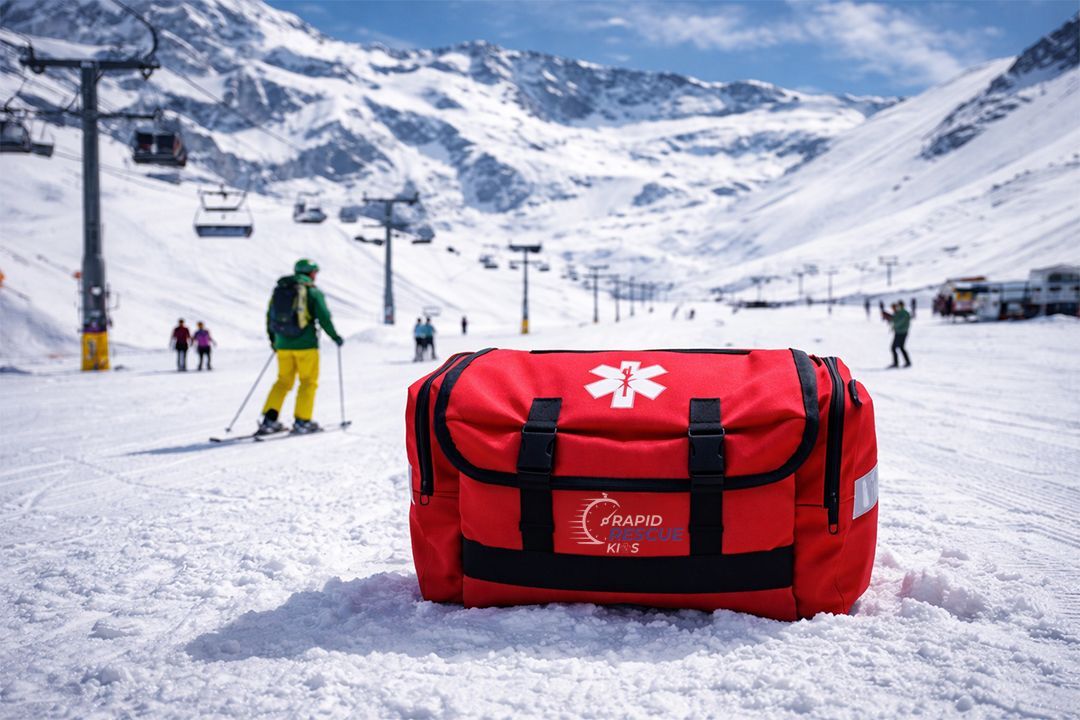
Rapid Rescue Kits trauma bag positioned at ski resort safety station for fast mountain emergency response

Outdoor recreation continues to grow each year. With that growth comes greater exposure to injuries and medical incidents. Adventure guests often push their physical limits. Environmental conditions can shift without warning. In many cases, professional medical care is not immediately nearby.


This is why wilderness emergency preparedness requires a different mindset. Standard workplace safety plans rarely account for remote terrain or delayed response times. Outdoor operators who recognize these risks early are better prepared when real emergencies occur.


A strong preparedness strategy improves emergency response, supports staff confidence, and helps protect your brand reputation. It also shows guests that your organization takes safety seriously.

Why Standard First Aid Kits Often Fall Short

Many outdoor businesses still rely on basic first aid kits. While these kits work for minor cuts or small injuries, they are not always designed for serious outdoor incidents. In remote environments, teams may need to manage bleeding or stabilize a guest until additional help arrives.


Standard kits can create problems because they are often hard to locate quickly, poorly organized, or not built for rugged use. Outdoor teams need equipment that is visible, durable, and easy to deploy under pressure.


This is where purpose-built emergency kits for outdoor businesses make a difference. When supplies are clearly organized and easy to access, staff can focus on helping the injured person instead of searching through clutter.

High-Risk Scenarios Outdoor Operators Must Plan For

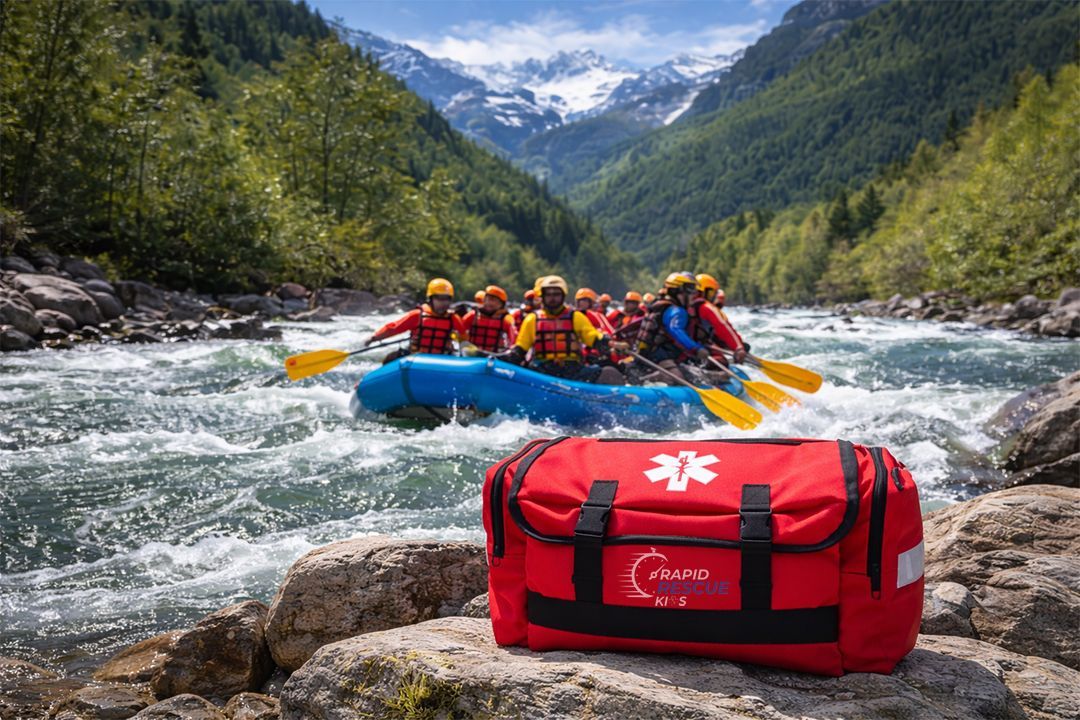
Rapid Rescue Kits emergency trauma kit staged near whitewater rafting launch area for guide emergency preparedness
Ski Resorts and Mountain Operations:

Patrol teams must respond to collisions, falls, and lift-related incidents throughout the day. Weather and visibility can also change quickly on the mountain.


Because of these factors, trauma kits for ski resorts should be staged in multiple high-traffic areas. Lift stations, patrol buildings, and guest service zones are all smart placement points. When equipment is easy to reach, ski patrol teams can begin emergency response faster and with more confidence.


Mountain operators who invest in visible, well-placed emergency kits often see smoother incident management and stronger guest trust.


Whitewater Rafting and River Outfitters:

River environments bring a different set of risks. Raft guides often work in remote corridors where outside medical help may take time to arrive. Slippery terrain, moving water, and changing weather conditions all increase the need for strong emergency preparedness.


First aid kits for rafting companies should be placed where guides can access them immediately. Launch points, guide gear, and support vehicles are all common staging areas. Equipment should be rugged enough to handle moisture and frequent movement.


When rafting teams know exactly where their emergency supplies are located, response plans become much easier to execute in real-world situations.


Backcountry Hiking and Guided Expeditions:

Backcountry hiking guides often operate far from quick medical support. In these environments, guides may be the first and only responders for an extended period. This makes bleeding control kits for outdoor guides especially important.


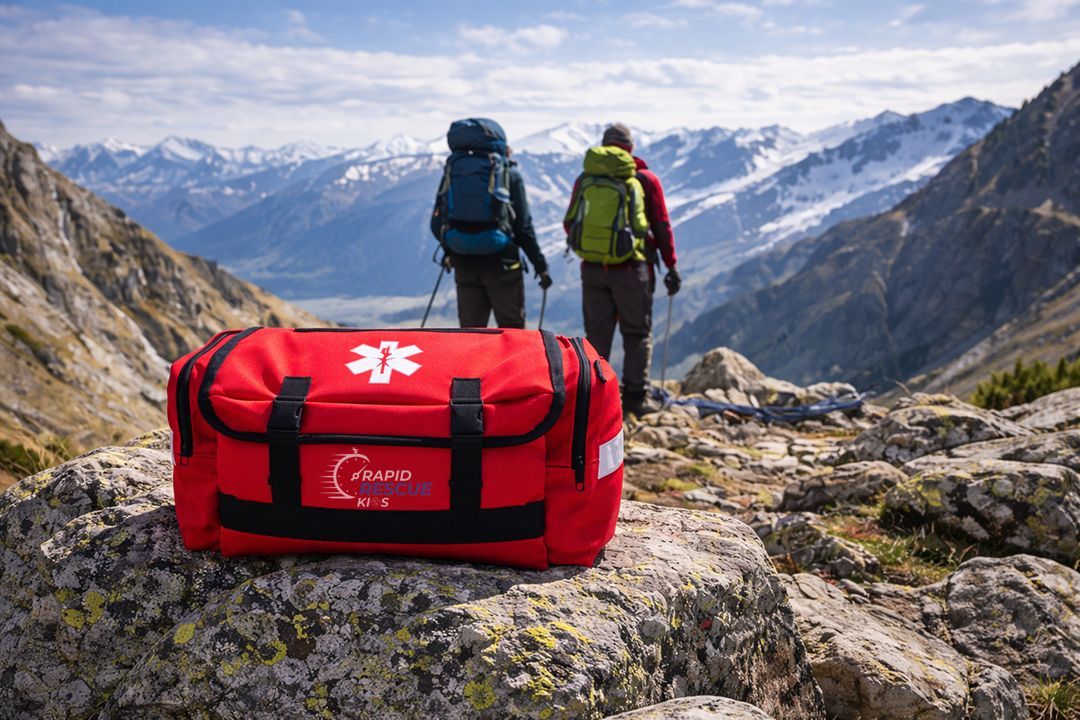
Preparedness in the backcountry is about both equipment and accessibility. Guides need kits that are compact, organized, and easy to deploy on uneven terrain. Businesses that support their guides with professional emergency tools help reduce response time and improve overall safety outcomes.


Strong preparation also gives guides greater confidence when leading groups into remote areas.


Aerial Parks, Zip Lines, and Adventure Courses:

Operators must prepare for harness injuries, fall incidents, and guest medical emergencies.

Rapid Rescue Kits trauma bag prepared for backcountry hiking emergency response in remote trail environment

Placement Strategy Makes a Major Difference

One of the most common mistakes outdoor businesses make is storing emergency supplies in only one location. In large outdoor environments, this can slow emergency response when seconds matter.


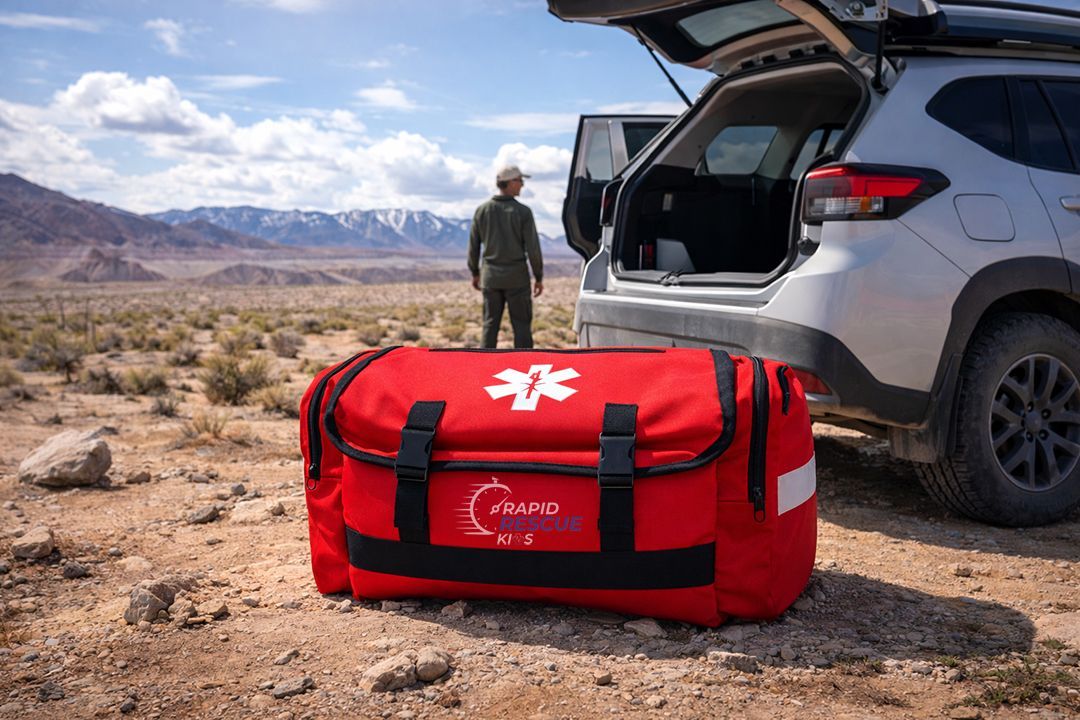
Instead, high-performing operators place kits based on real risk patterns. Basecamps, trailheads, lift areas, raft launches, and company vehicles are all logical placement zones. The goal is simple: equipment should always be within quick reach of trained staff.


Strategic placement is one of the easiest ways to improve outdoor adventure business safety without dramatically changing operations.

Emergency Planning Must Include Communication

Even the best equipment cannot replace clear communication. Outdoor environments often create radio dead zones or cell coverage gaps. Every operator should maintain a strong communication plan as part of their emergency preparedness strategy.


Teams need to know who to contact, when to escalate an incident, and what backup methods are available if primary communication fails. When communication planning is clear and practiced, emergency response becomes more coordinated and less stressful for staff.

Training Turns Plans Into Real-World Performance

Emergency preparedness only works when staff members know what to do. Regular training helps teams stay calm and focused during high-pressure moments. It also reinforces your organization’s commitment to risk management and guest safety.


Outdoor businesses should review emergency response plans regularly and confirm that staff know where kits are located. Short refreshers throughout the season can make a big difference in real incidents.


Organizations that build a culture of readiness consistently perform better when emergencies occur.

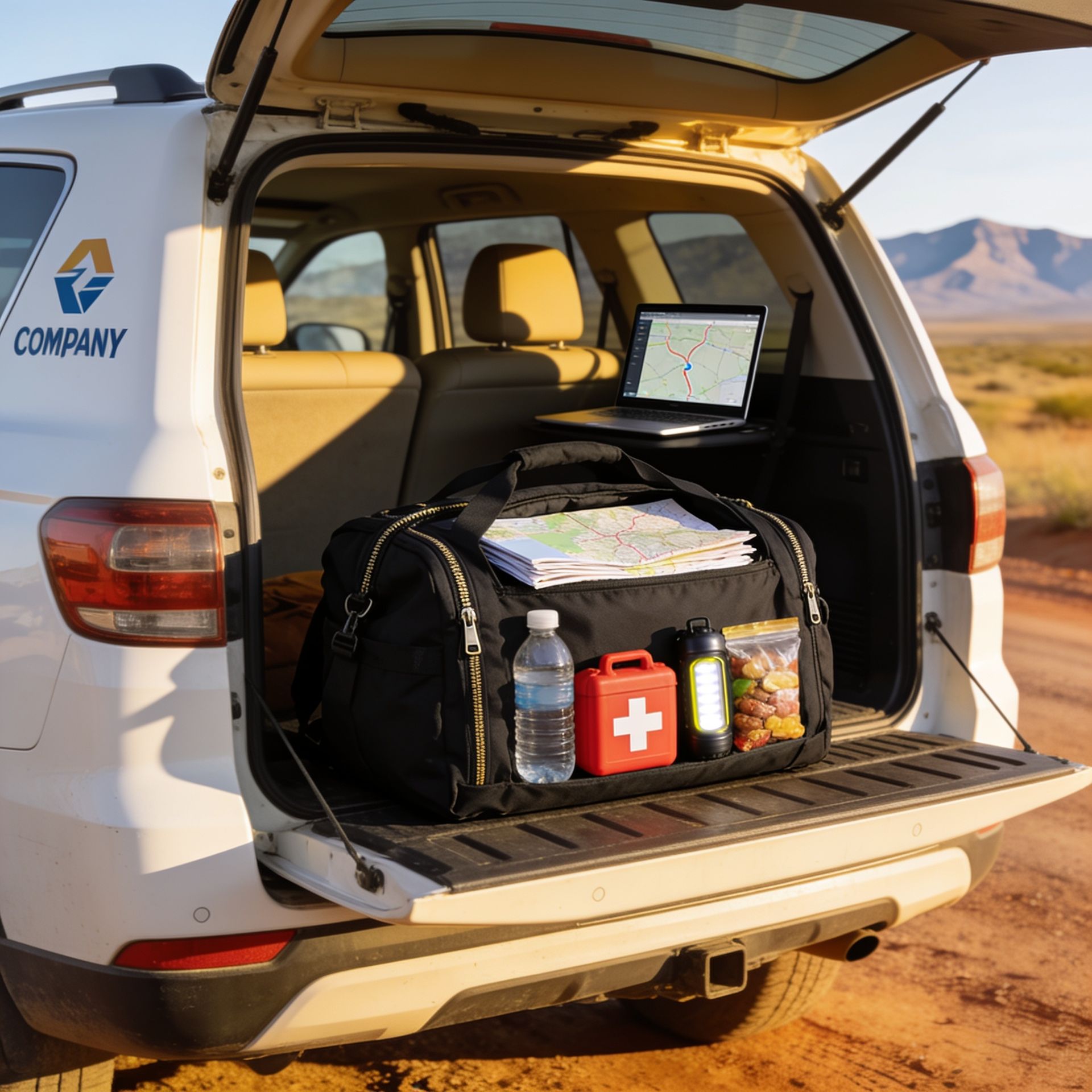
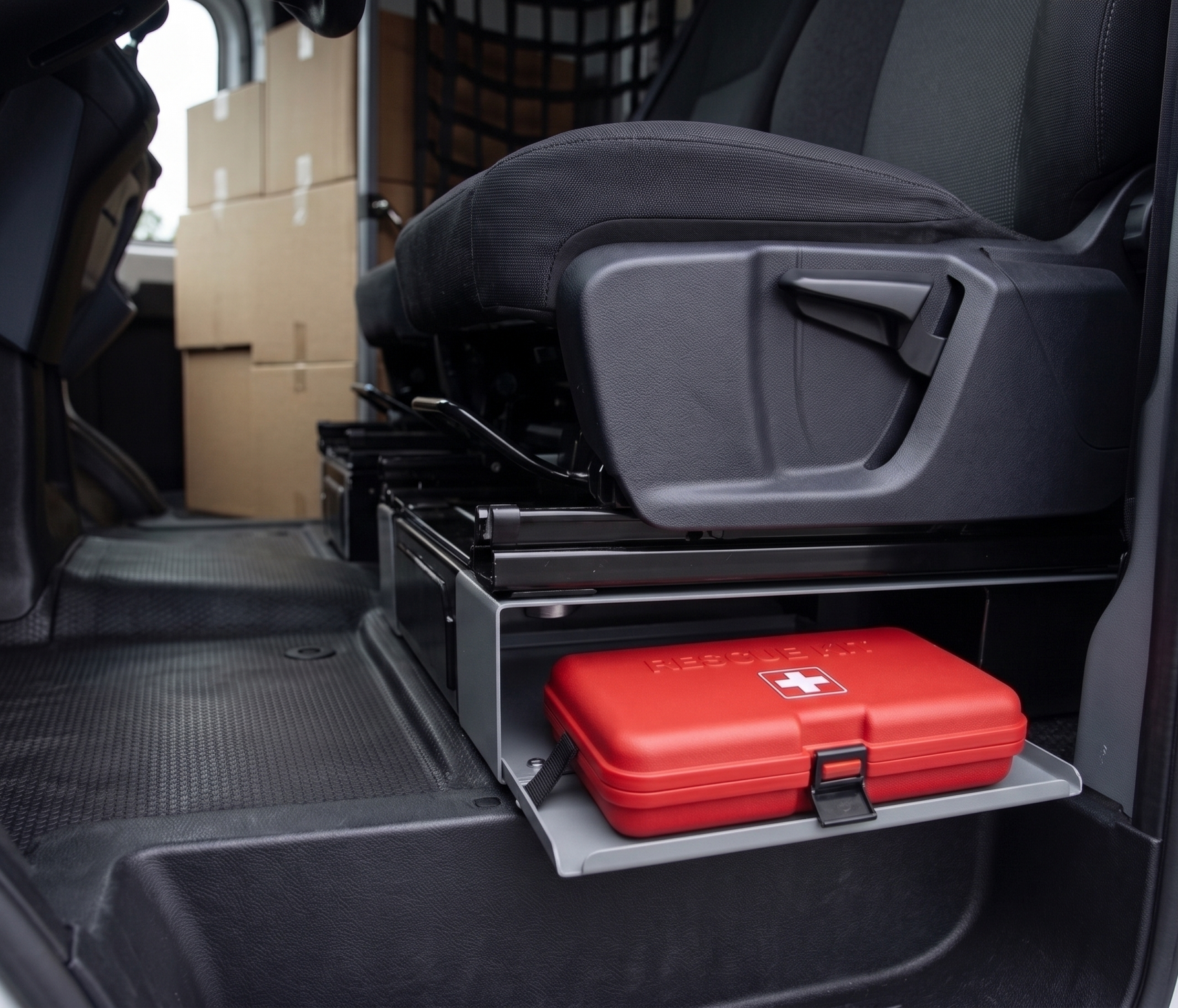
Rapid Rescue Kits emergency trauma bag stored in outdoor guide vehicle for rapid incident response

Remote Risk Requires Professional Preparedness

Outdoor adventure businesses cannot remove every risk from their environment. However, they can control how prepared they are to respond. Companies that invest in purpose-built emergency kits for outdoor businesses, smart placement strategies, and ongoing staff readiness are far better positioned when incidents happen.


Rapid Rescue Kits is designed to support fast, organized emergency response in demanding outdoor environments. For ski resorts, rafting companies, and backcountry guides, professional preparedness is not just a safety upgrade — it is an operational necessity.

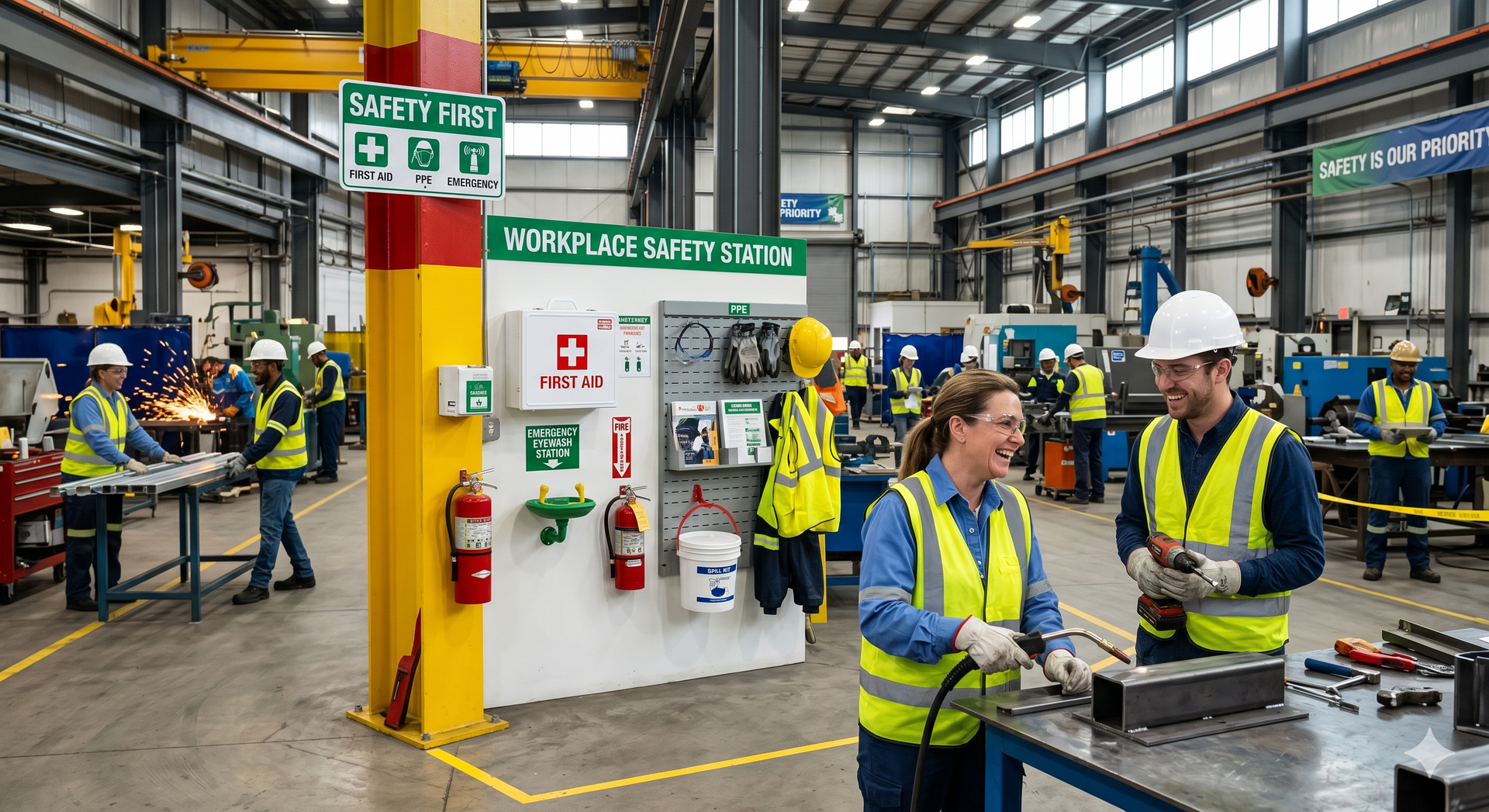
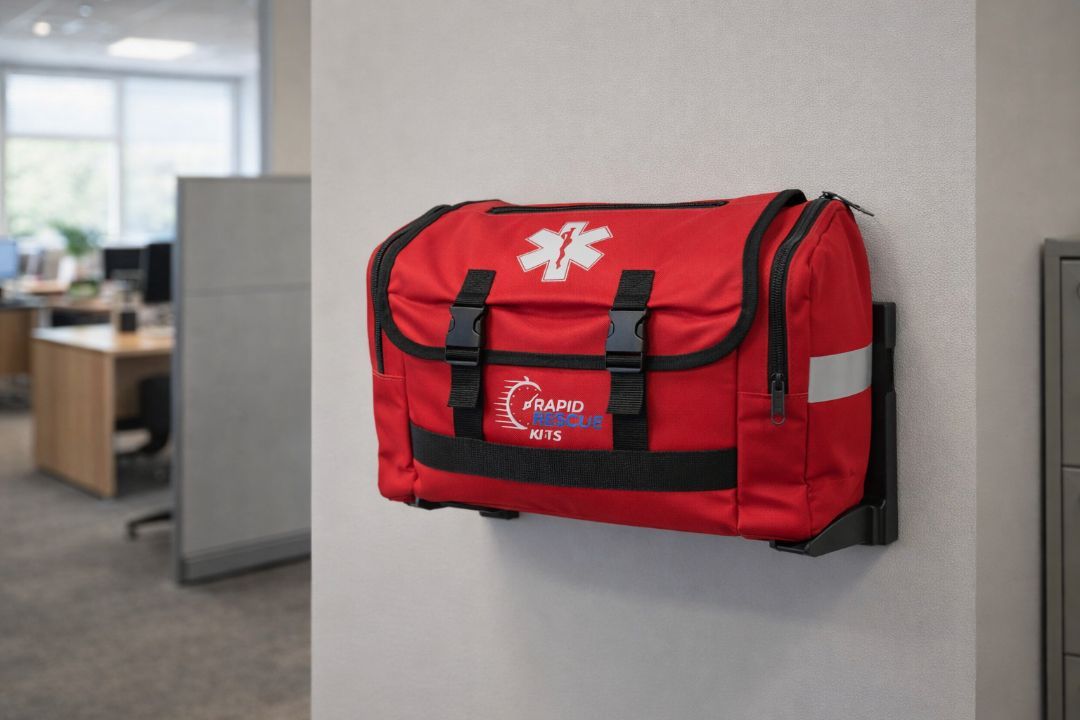
Rapid Rescue Kits emergency trauma bag mounted on office wall for fast workplace emergency response
By Rapid Rescue Kits February 12, 2026
Protect employees and reduce risk with professional emergency response kits. Learn why businesses trust Rapid Rescue Kits for real emergencies.
Red medical bag on a bench in front of a university building with students walking.
By Rapid Rescue Kits January 29, 2026
Discover why Stop the Bleed kits are essential for schools, what supplies they should include, where to place them on campus, and how trauma preparedness protects students and staff.
Red medical bag and green first aid kit on black background.
By Rapid Rescue Kits January 15, 2026
Learn the difference between a trauma kit and a first aid kit, what each one is designed for, and how to choose the right emergency kit for home, work, sports, or travel readiness.
outdoor first aid kit
By Rapid Rescue Kit December 23, 2025
Heading into mountains, deserts, or remote trails? Build the 2026 hiker first-aid loadout built for real injuries and real wilderness conditions.
emergency kit for families
December 11, 2025
Build a 2026-ready family emergency plan for your home, car, and when going outdoor. Choose the right first-aid and trauma kits for real-life parent scenarios.
What Type of Rescue Kit Does Your Workplace Actually Need?
By Rapid Rescue Kit October 30, 2025
Find out what type of rescue kit your workplace needs. Learn how to choose the right OSHA-compliant kit to keep your team safe and prepared.
How to Choose the Best Rescue Kit for Outdoor Adventures and Trave
By Rapid Rescue Kit October 30, 2025
Stay safe anywhere. Learn how to choose the best rescue kit for outdoor adventures and travel with expert tips from Rapid Rescue Kits.
From Home to Highway: Why You Need More Than One Rescue Kit
By Rapid Rescue Kit October 30, 2025
Be ready anywhere. Learn why you need both a home and highway rescue kit to stay safe during power outages, breakdowns, or evacuations.
How Long Will the Supplies in Your Rescue Kit Last?
By Rapid Rescue Kit October 30, 2025
Learn how long rescue kit supplies last, when to replace them, and how to keep your emergency gear ready with expert tips from Rapid Rescue Kits.
Every Second Counts: Why Coaches, Gyms, and Sports Teams Need Advanced Emergency Kit
By Rapid Rescue Kit August 27, 2025
Be ready when every second matters. Learn why coaches, gyms, and sports teams trust Rapid Rescue Kits for life-saving emergency response.
Show More