

Emergency Kits Every Company Vehicle Should Have

Rapid Rescue Kits Editorial Team • April 29, 2026

What Should Every Company Vehicle Carry in an Emergency Kit?

Every company vehicle should carry a properly stocked emergency kit that includes first aid supplies, roadside safety tools, and essential items that help drivers respond quickly to breakdowns, accidents, weather events, or unexpected delays. Whether your business operates one service truck or an entire fleet, emergency kits are one of the simplest ways to improve employee safety and reduce downtime.


For contractors, delivery drivers, utility crews, sales teams, and mobile service professionals, being prepared on the road is part of running an efficient business.


Why Do Company Vehicle Emergency Kits Matter for Businesses?

Business vehicles spend hours on roads, job sites, parking lots, and customer locations. When a flat tire, minor injury, dead battery, or roadside emergency happens, having the right supplies available can make a major difference.


Emergency kits for company vehicles help:


  • Protect employees during travel
  • Improve response time during roadside incidents
  • Reduce disruptions to work schedules
  • Support duty-of-care responsibilities for employers
  • Increase confidence for drivers working alone or in remote areas


Emergency preparedness kits are especially important for companies whose teams rely on vehicles every day.


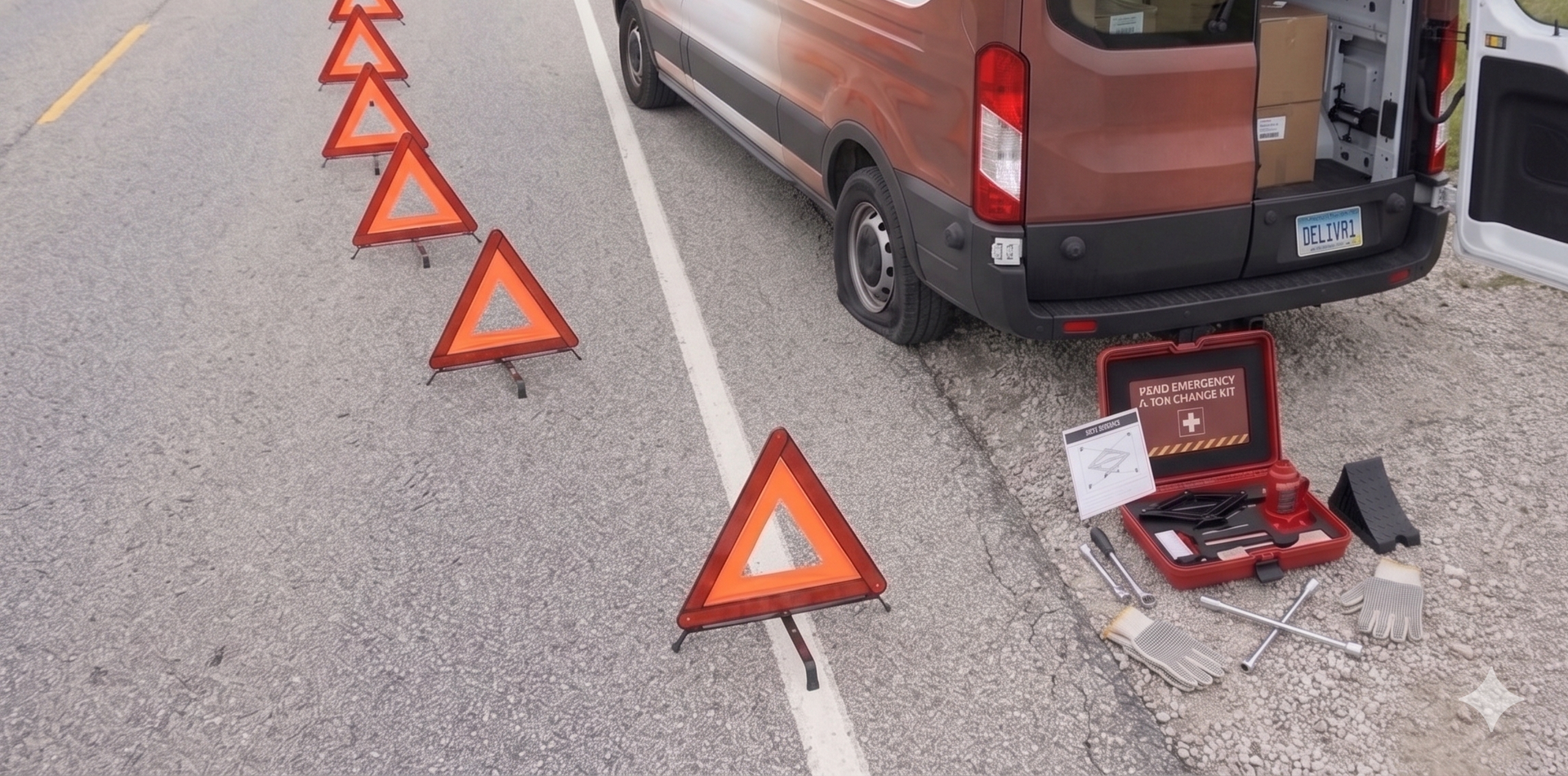
Traffic cones line a roadside next to a parked van and open red toolbox on gravel.

What First Aid Supplies Should Be in a Work Vehicle Emergency Kit?

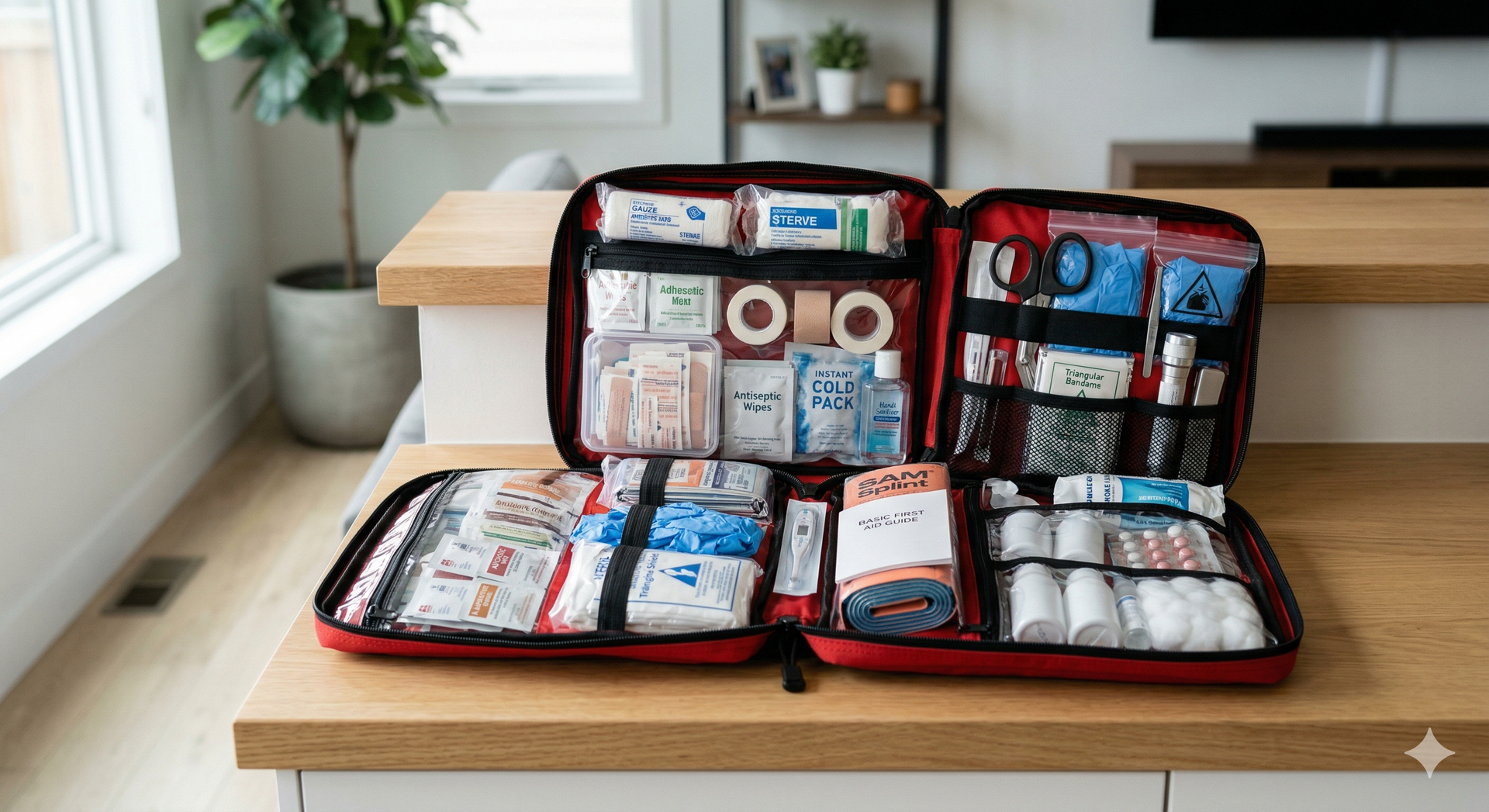
Every company vehicle should carry basic first aid items to address cuts, burns, scrapes, and minor injuries until additional care is available.


Recommended first aid supplies include:


  • Adhesive bandages in multiple sizes
  • Sterile gauze pads
  • Medical tape
  • Antiseptic wipes
  • Antibiotic ointment
  • Disposable gloves
  • Scissors and tweezers
  • Burn gel or burn dressings
  • CPR face shield
  • Instant cold pack


For businesses with higher-risk operations, upgraded trauma supplies may also be appropriate.


What Roadside Emergency Items Should Every Company Vehicle Have?

Vehicle-related emergencies often require more than medical supplies. A complete company vehicle emergency kit should also include tools that help drivers remain safe during roadside incidents.


Important roadside items include:


  • Reflective warning triangles or flares
  • High-visibility safety vest
  • Flashlight with extra batteries
  • Jumper cables or battery jump starter
  • Tire pressure gauge
  • Multi-tool
  • Basic tool kit
  • Tow strap (if appropriate)
  • Phone charger or power bank


These items help employees stay visible, communicate clearly, and solve common roadside problems faster.


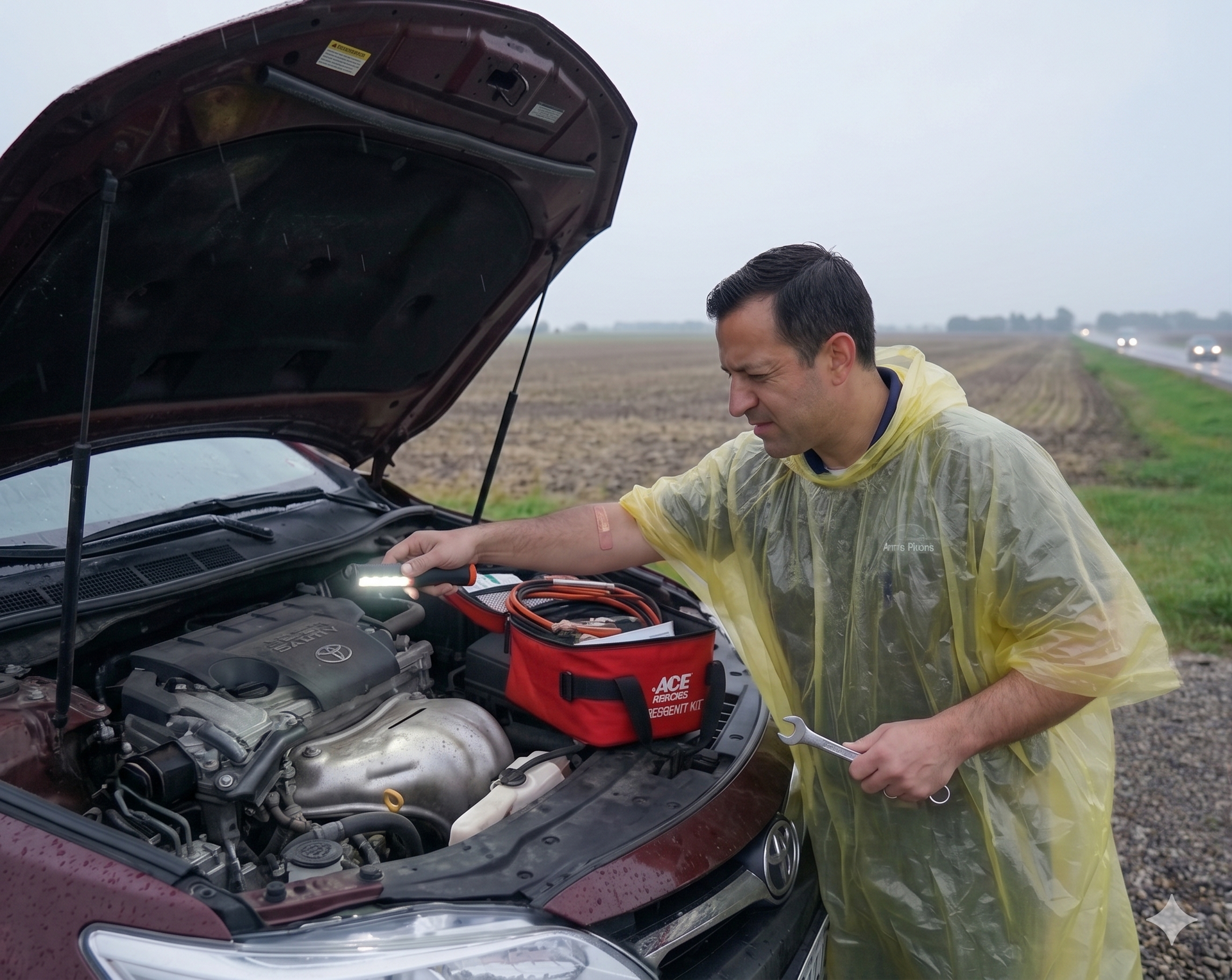
Man in a clear rain poncho checking a car engine beside an open hood on a roadside, with a red battery charger.

What Seasonal Supplies Should Be Added to Fleet Emergency Kits?

Weather can quickly create dangerous travel conditions. Depending on your region, company vehicles should also include seasonal preparedness items.


Cold weather supplies:


  • Emergency blanket
  • Ice scraper
  • Hand warmers
  • Gloves
  • Bottled water


Hot weather supplies:

  • Extra water
  • Cooling towel
  • Sunscreen
  • Electrolyte packets


Storm-prone areas:

  • Rain poncho
  • Waterproof flashlight
  • Backup batteries


Adjusting vehicle kits by season helps businesses stay prepared year-round.


What Emergency Kits Are Best for Different Industries?

Not every business vehicle faces the same risks. Emergency kits should reflect the type of work being performed.


Contractors and construction companies:
May need trauma supplies, eye protection, and tools suited for
job sites.


Delivery and transportation companies:
Benefit from
roadside gear, hydration supplies, and first aid essentials for drivers on long routes.


Utility and field service teams:
Often need advanced kits because they work in remote locations or after storms.


Sales and office teams:
May only require streamlined vehicle kits with first aid and roadside basics.


Tailored kits help match preparedness to real-world needs.


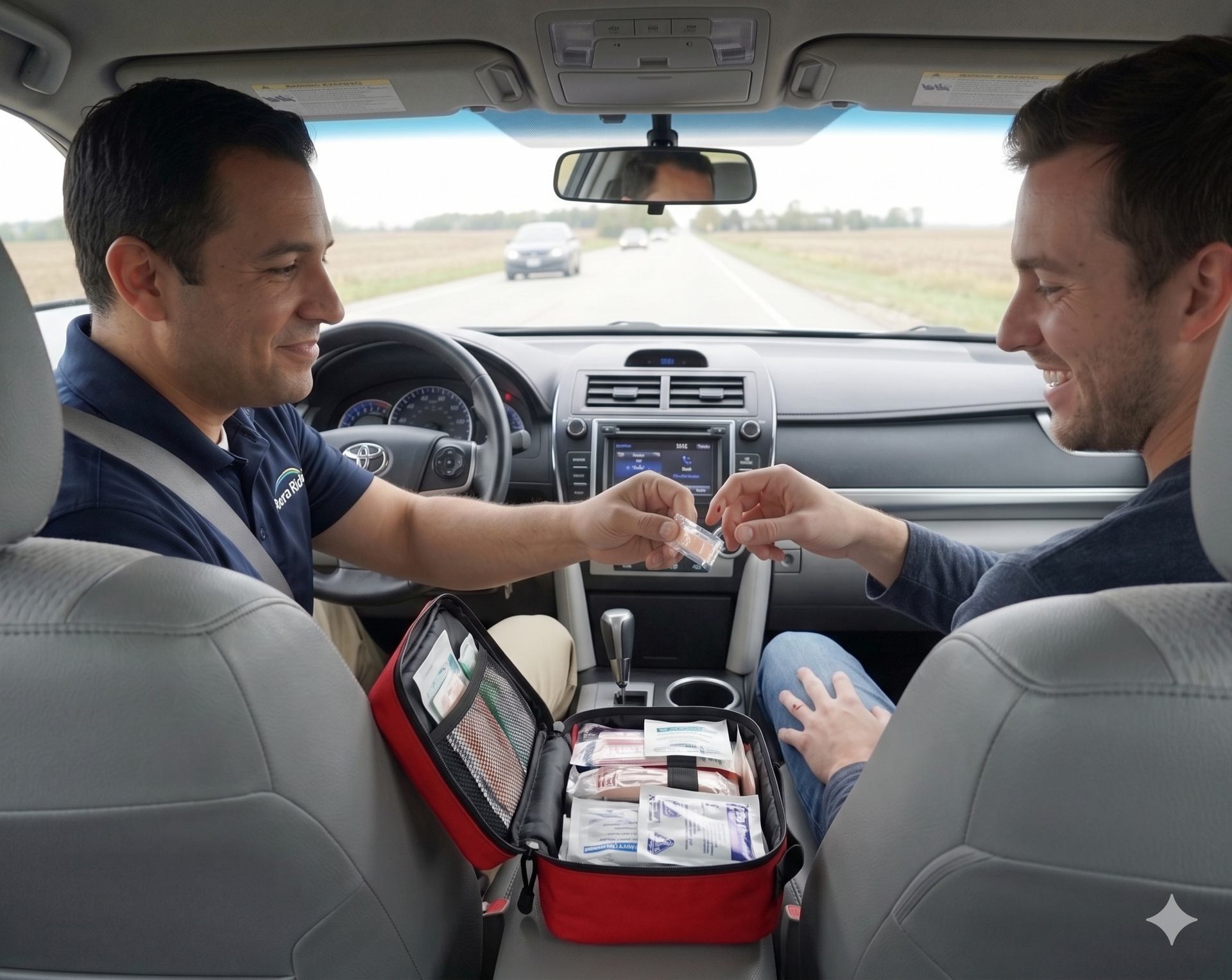
A commercial driver hands his passenger a bandaid from a medical kit.

How Can Fleet Managers Standardize Emergency Kits Across Vehicles?

For companies with multiple vehicles, consistency matters. Standardized kits across the fleet make inspections easier and ensure every employee has access to the same level of protection.


Best practices include:


  • Equip every vehicle with the same baseline kit
  • Inspect supplies monthly
  • Replace expired or used items immediately
  • Keep kits in a visible, secure location
  • Train employees on where supplies are stored


A standardized system saves time and strengthens safety culture.


Stacked cardboard boxes with a red bag on the floor in a storage area

What Common Mistakes Do Businesses Make With Vehicle Emergency Kits?

Some companies underestimate the value of vehicle preparedness until something goes wrong.


Common mistakes include:


  • Keeping only a minimal consumer first aid kit
  • Forgetting roadside safety equipment
  • Not replacing expired supplies
  • Storing kits under cluttered seats or buried in toolboxes
  • Failing to prepare for weather-related risks


Small oversights can become major problems during emergencies.


Are Professional Vehicle Emergency Kits Worth It for Businesses?

Pre-built professional emergency kits help businesses avoid guesswork. Instead of piecing together supplies from multiple stores, companies can equip vehicles with organized, dependable kits built for real-world use.


Benefits include:


  • Faster deployment during emergencies
  • Better organization and accessibility
  • Higher-quality components
  • Consistent supplies across all vehicles
  • Greater peace of mind for employers and drivers


Professional kits are especially valuable for fleet operators and service-based businesses.


How Do Emergency Kits Help Keep Business Vehicles Ready?

Your employees represent your company everywhere they drive. Giving them the right emergency kit shows a commitment to safety, preparedness, and professionalism.


Rapid Rescue Kits provides dependable emergency kits designed for vehicles, fleets, and mobile professionals. Whether you manage one truck or an entire fleet, the right kit can help keep drivers safer and business moving forward.


If your company relies on vehicles every day, now is the time to equip them with emergency kits built for real-world performance.


Frequently Asked Questions

  • Q: What should be in a company vehicle emergency kit?

    A: A company vehicle kit should include first aid supplies, reflective safety gear, flashlight, jumper cables or jump starter, gloves, and seasonal emergency items.

  • Q: Do company trucks need first aid kits?

    A: Many businesses choose to equip trucks with first aid kits to improve driver safety and respond to injuries on the road or job site.

  • Q: How often should fleet emergency kits be checked?

    A: Vehicle emergency kits should be inspected monthly and restocked anytime items are used or expired.

  • Q: Are vehicle emergency kits worth it for small businesses?

    A: Yes. Even one company vehicle can benefit from preparedness tools that reduce delays, improve safety, and support employees during emergencies.

An open, red first aid kit filled with various medical supplies, organized in clear compartments on a wooden surface.
By Rapid Rescue Kits Editorial Team April 1, 2026
Learn what should be in an emergency kit with a complete checklist for home, workplace, and travel preparedness. Stay ready for any emergency situation or need.

A busy office setting features a wall-mounted first aid kit in the foreground with people working at desks in the background.
By Rapid Rescue Kits Editorial Team March 31, 2026
Learn the OSHA first aid kit requirements for businesses, ANSI requirements, what to include, and how to stay compliant with workplace safety standards in 2026.
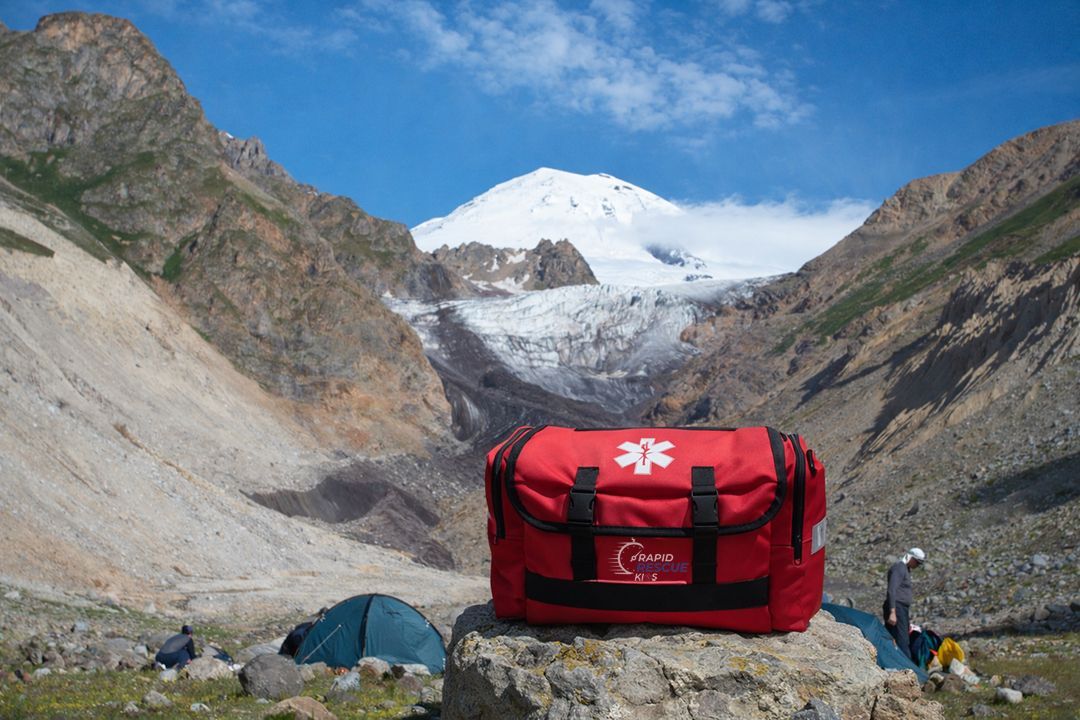
Rapid Rescue Kits emergency trauma bag staged at outdoor adventure basecamp for remote emergency
By Rapid Rescue Kits February 28, 2026
Outdoor operators face unique risks. Learn why ski resorts, rafting companies, and guides trust Rapid Rescue Kits for emergency preparedness.
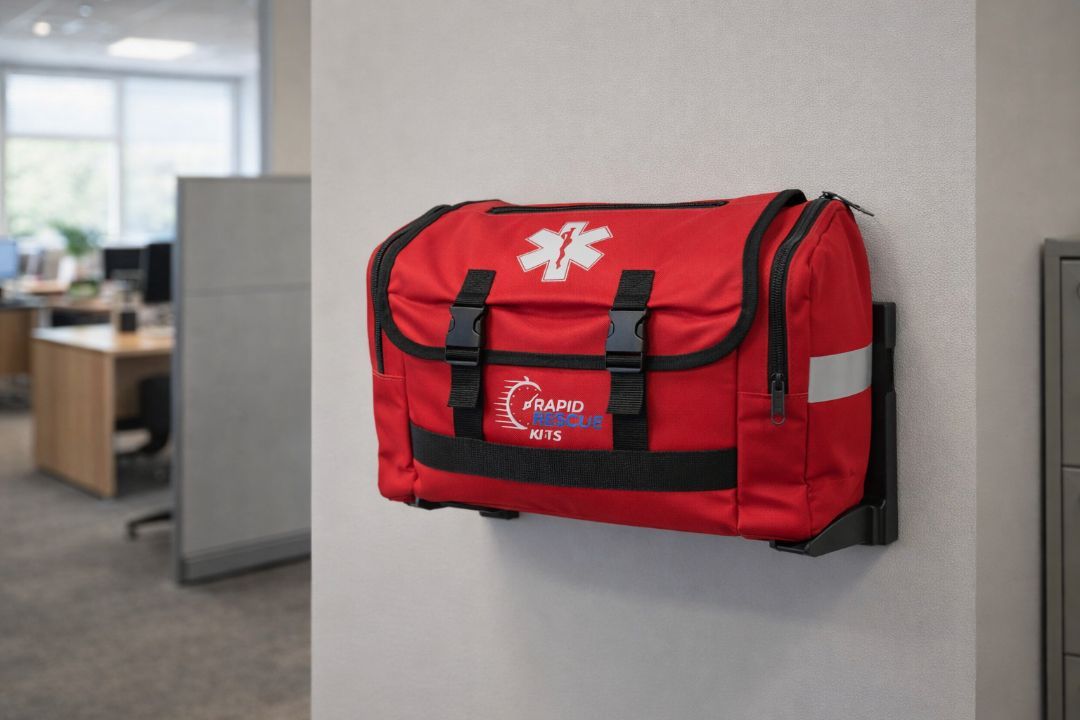
Rapid Rescue Kits emergency trauma bag mounted on office wall for fast workplace emergency response
By Rapid Rescue Kits February 12, 2026
Protect employees and reduce risk with professional emergency response kits. Learn why businesses trust Rapid Rescue Kits for real emergencies.
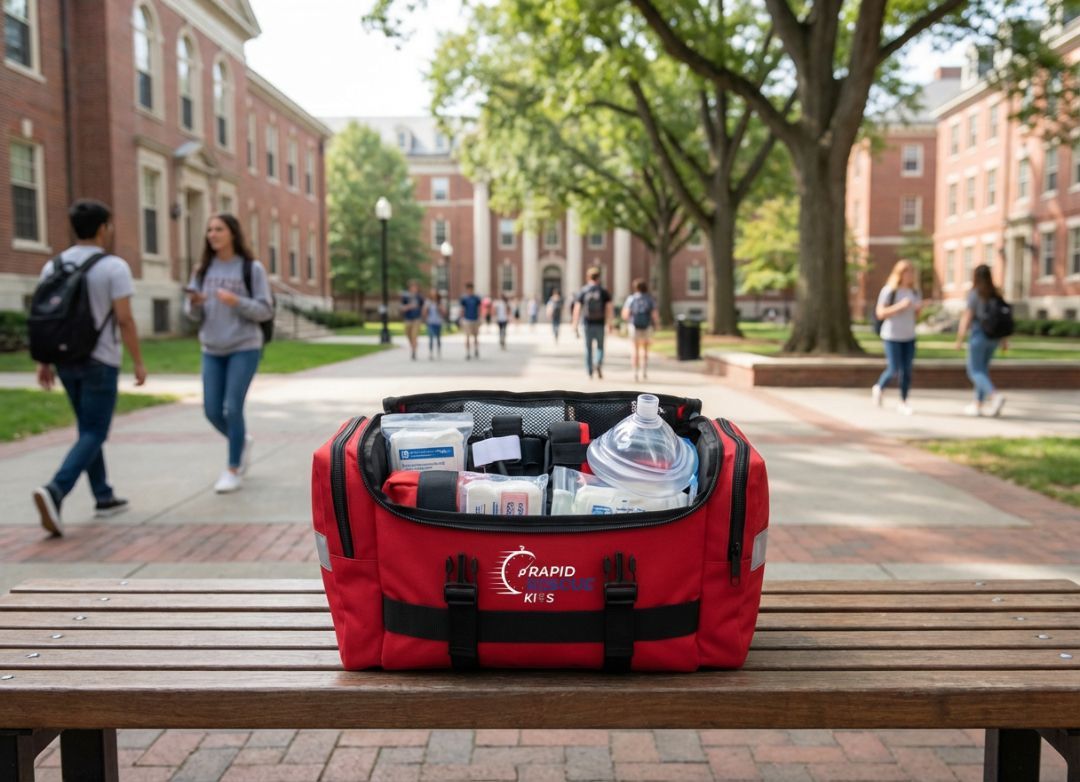
Red medical bag on a bench in front of a university building with students walking.
By Rapid Rescue Kits January 29, 2026
Discover why Stop the Bleed kits are essential for schools, what supplies they should include, where to place them on campus, and how trauma preparedness protects students and staff.
Red medical bag and green first aid kit on black background.
By Rapid Rescue Kits January 15, 2026
Learn the difference between a trauma kit and a first aid kit, what each one is designed for, and how to choose the right emergency kit for home, work, sports, or travel readiness.
outdoor first aid kit
By Rapid Rescue Kit December 23, 2025
Heading into mountains, deserts, or remote trails? Build the 2026 hiker first-aid loadout built for real injuries and real wilderness conditions.
emergency kit for families
December 11, 2025
Build a 2026-ready family emergency plan for your home, car, and when going outdoor. Choose the right first-aid and trauma kits for real-life parent scenarios.
What Type of Rescue Kit Does Your Workplace Actually Need?
By Rapid Rescue Kit October 30, 2025
Find out what type of rescue kit your workplace needs. Learn how to choose the right OSHA-compliant kit to keep your team safe and prepared.
How to Choose the Best Rescue Kit for Outdoor Adventures and Trave
By Rapid Rescue Kit October 30, 2025
Stay safe anywhere. Learn how to choose the best rescue kit for outdoor adventures and travel with expert tips from Rapid Rescue Kits.
Show More