

From Home to Highway: Why You Need More Than One Rescue Kit

Rapid Rescue Kit • October 30, 2025

TLDR;


You need more than one rescue kit because a home kit and a vehicle kit serve completely different purposes. A home kit prepares you for extended shelter-in-place emergencies, while a highway rescue kit helps you stay safe and self-sufficient during roadside breakdowns or evacuations. Having both ensures you are ready for any situation—at home or on the road.

Understanding the Two Environments: Home vs Highway

Emergencies don’t happen in one place. Rapid Rescue Kits recommends preparing for both your home and your vehicle because the risks, conditions, and resources differ completely.


At home, you deal with sheltering during storms or power outages. On the highway, you face vehicle breakdowns or accidents far from help. Each setting demands a different set of tools, storage, and preparation strategies.

Why the Home Environment Demands Its Own Kit

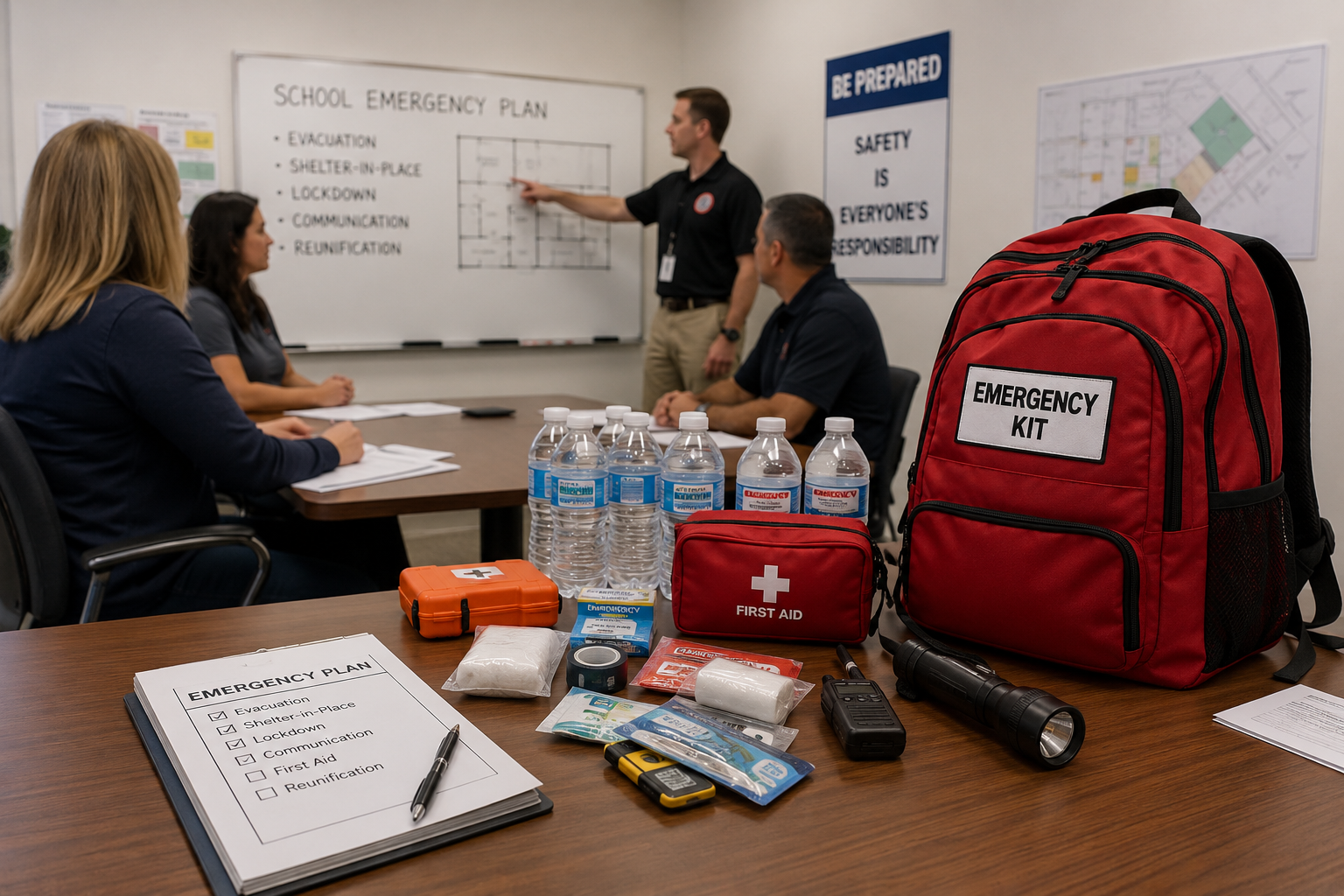
A home emergency kit is built for long-term survival and comfort. You need supplies that can sustain your family for at least 72 hours.


Common home emergencies include:


  • Power outages or blackouts

  • Severe storms or flooding

  • Earthquakes or tornadoes

  • Fires or sudden evacuations

Core items every home rescue kit should have:


  • Water and non-perishable food

  • Battery-powered or hand-crank radio

  • Flashlight with spare batteries

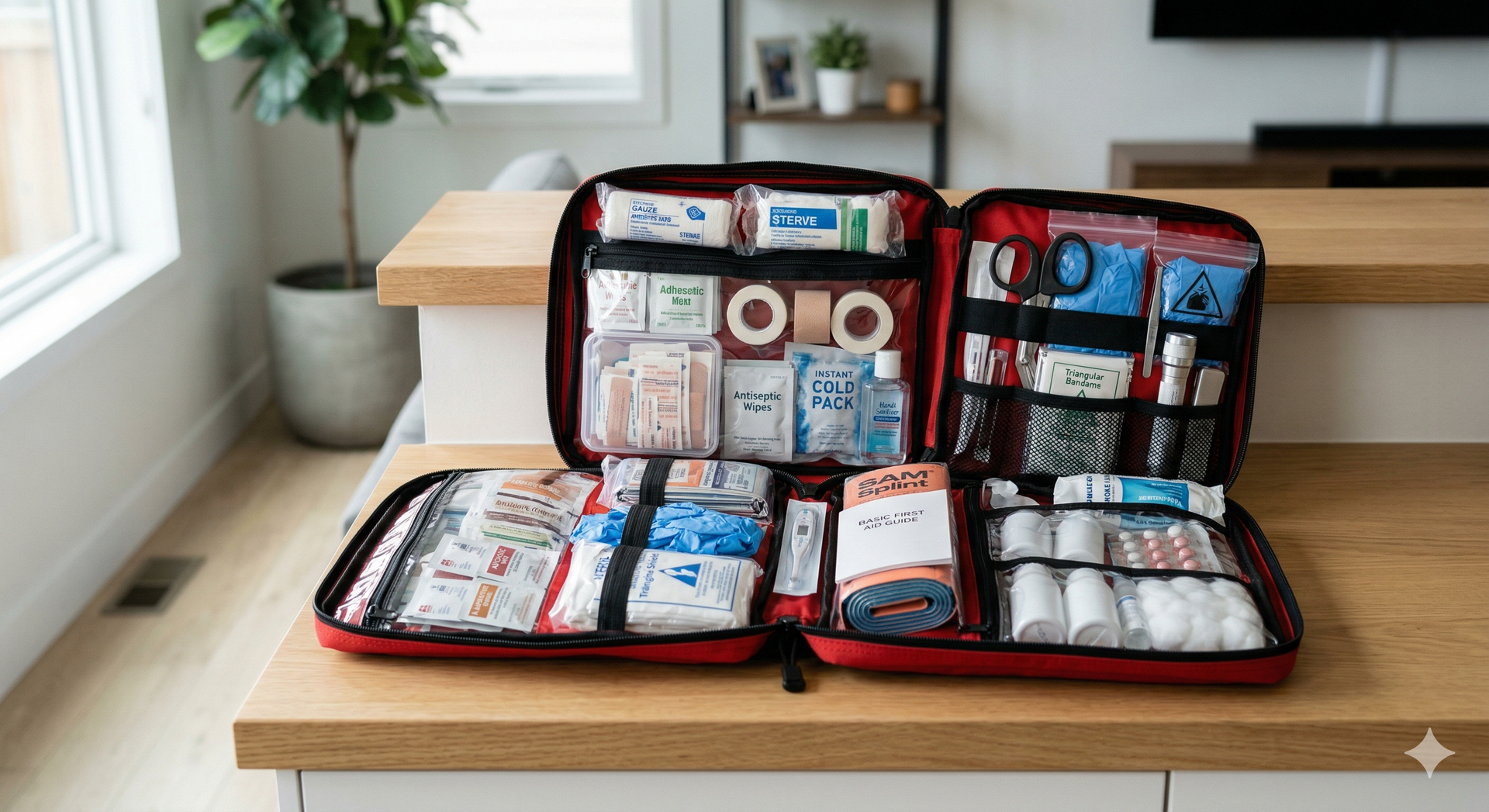
  • Comprehensive first-aid kit

  • Tools such as a wrench, pliers, and duct tape

  • Copies of important documents

  • Hygiene items and medications

  • Supplies for babies, elderly family members, or pets

A home rescue kit is about endurance and stability. It’s designed to keep you alive and organized until conditions stabilize or help arrives.

Why the Vehicle or Highway Environment Requires a Separate Kit

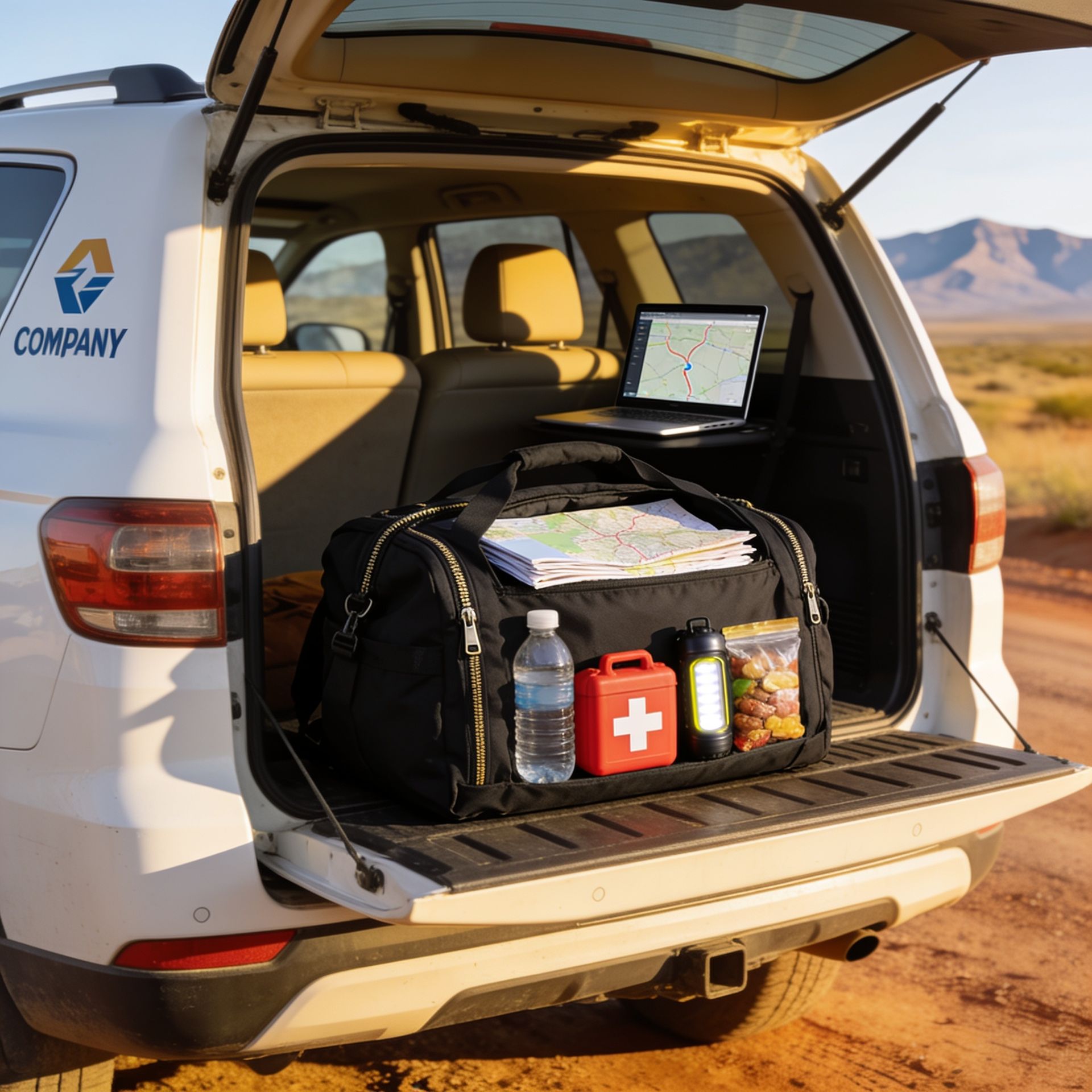
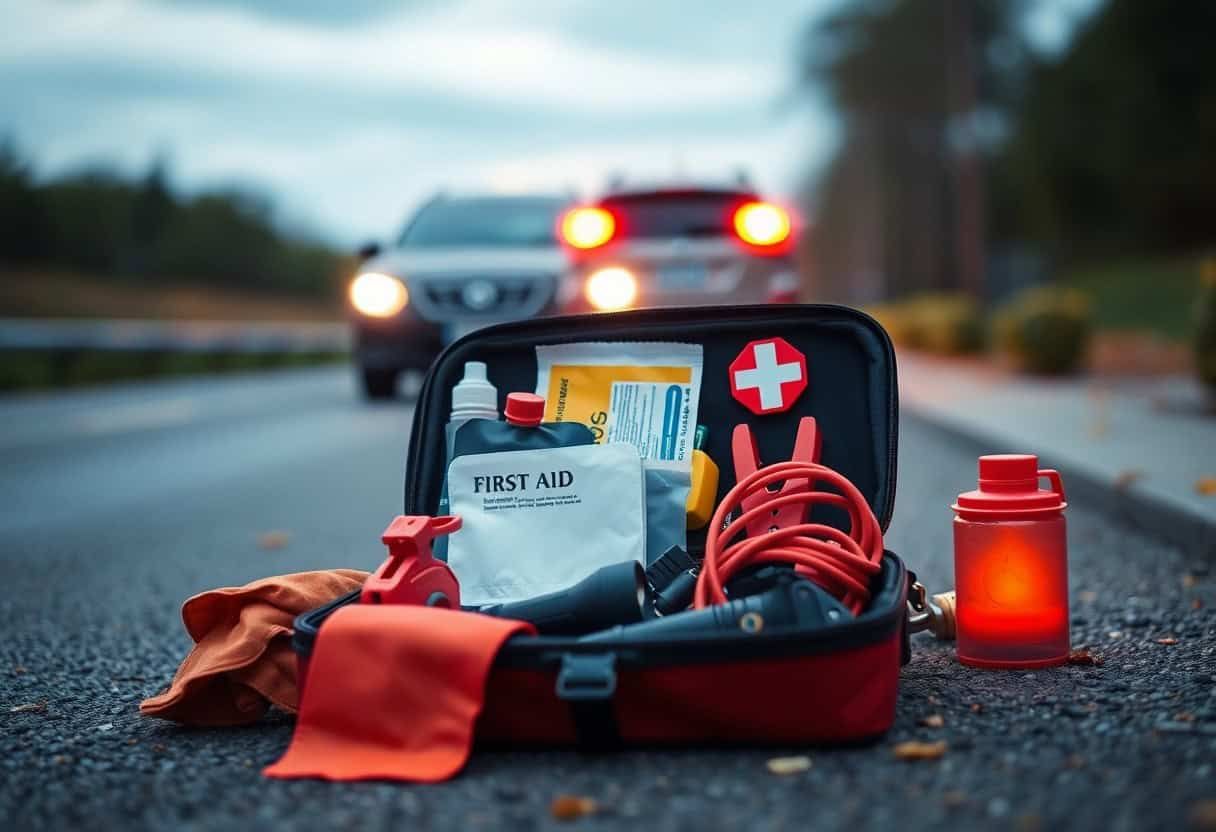
A vehicle rescue kit—often called a roadside emergency kit—is built for mobility and immediate safety. It’s your first line of defense when your car fails, weather turns bad, or you’re stranded on the highway.


Scenarios that call for a vehicle kit:


  • Flat tires or blowouts

  • Dead batteries

  • Getting stuck during snow or heavy rain

  • Roadside breakdowns far from assistance

Essential items for a vehicle rescue kit:


  • Jumper cables or portable jump starter

  • Reflective safety vest and warning triangles

  • Tire inflator or sealant

  • Lug wrench and gloves

  • Flashlight and spare batteries

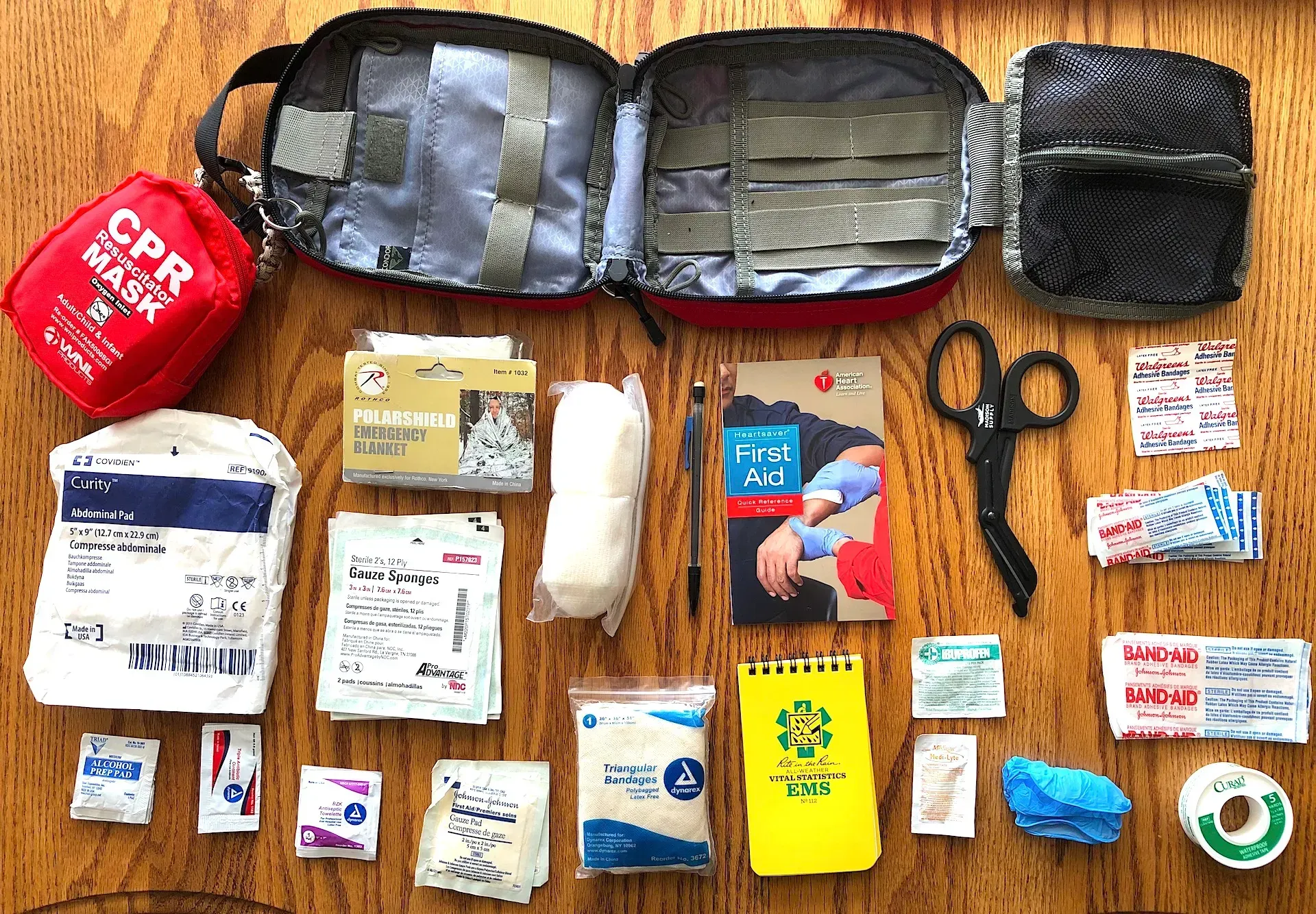
  • First-aid kit

  • Blanket and emergency snacks

  • Multi-tool and duct tape

A vehicle kit is compact, portable, and focused on short-term survival and repair. It helps you stay visible, safe, and functional until help arrives or you can continue driving.

Why One Kit Doesn’t Cover Both Needs

A single rescue kit cannot meet both home and highway demands. The environments require different tools, storage, and response times.


Key differences:


  • Mobility: A vehicle kit must fit in your trunk, while a home kit can use larger containers.

  • Duration: Home kits sustain you for days. Vehicle kits focus on hours or immediate repair.

  • Function: Vehicle kits address mechanical and roadside issues. Home kits handle power loss, evacuation, or sheltering.

Rapid Rescue Kits emphasizes having both because relying on one compromises readiness.

Home Rescue Kit Checklist

Build your home kit around comfort and survival for at least three days.


Include:


  • One gallon of water per person per day

  • Non-perishable food

  • Battery-powered radio

  • Flashlight

  • Extra batteries

  • First-aid supplies

  • Manual can opener

  • Duct tape and tools

  • Hygiene products

  • Blankets and clothing

  • Copies of important documents

  • Prescription medications

Store your home kit in a waterproof container. Keep it in an accessible location known to all family members.

Vehicle Rescue Kit Checklist

Pack your car kit with the essentials for breakdowns and short-term safety.


Include:


  • Jumper cables or jump starter

  • Reflective vest

  • Warning triangles or flares

  • Tire pressure gauge and inflator

  • Tow strap

  • Flashlight

  • Gloves

  • Blanket

  • Non-perishable snacks

  • Power bank

  • Basic first-aid kit

  • Multi-tool

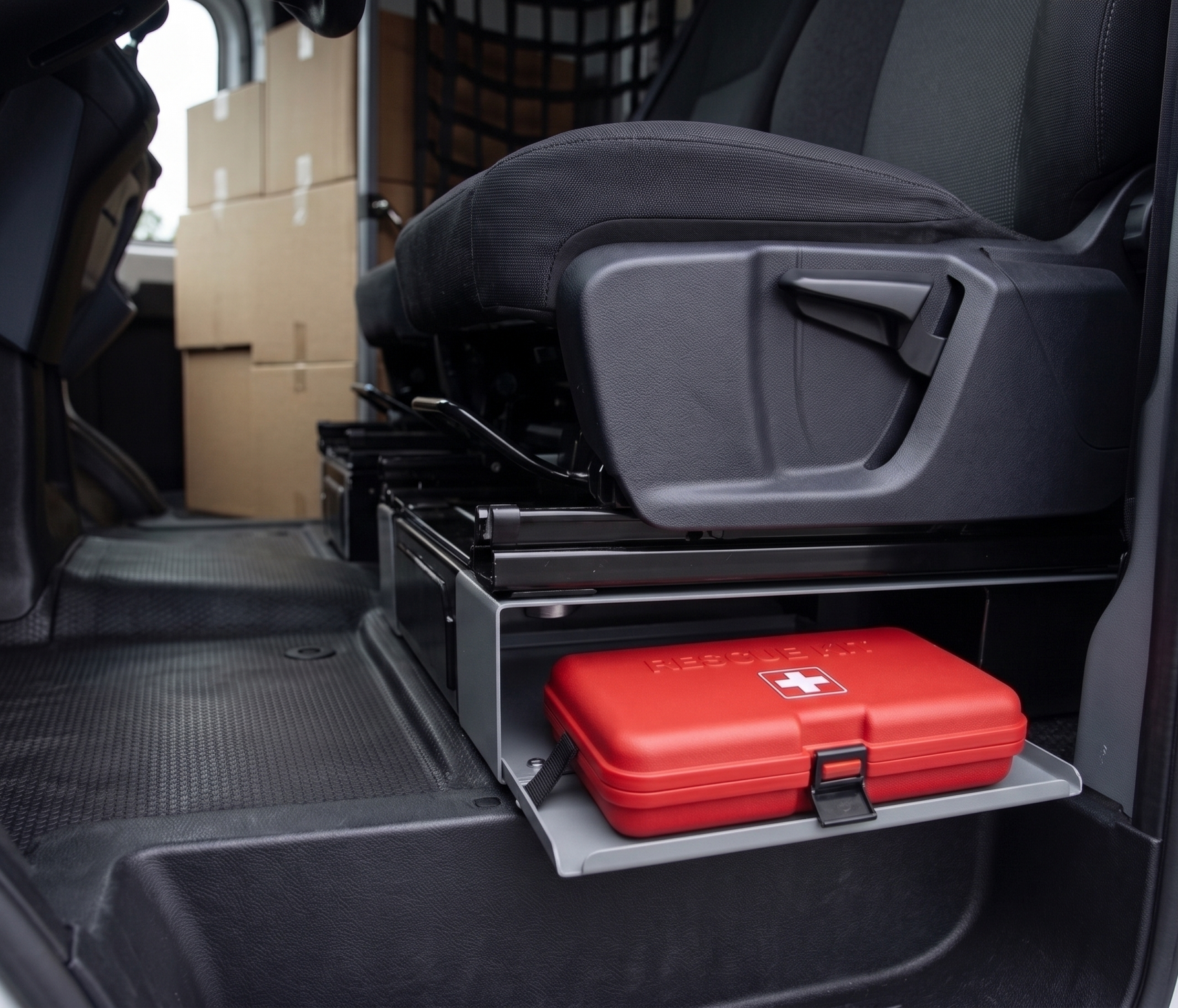
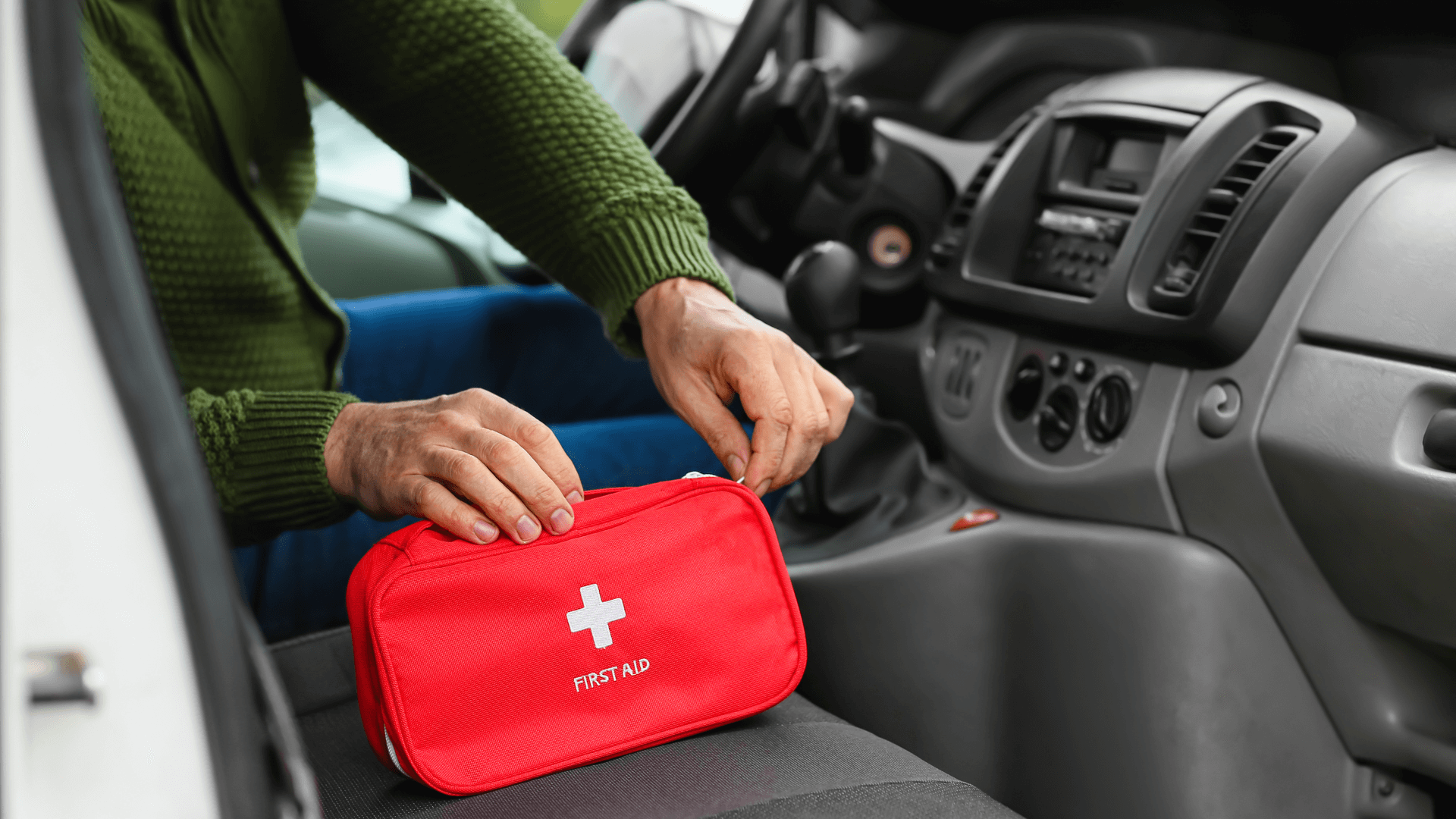
Secure the kit in your trunk or under a seat. Make sure it’s reachable during an emergency.

Items That Serve Both Environments

Some tools overlap between home and highway kits. These include:


  • Flashlight and extra batteries

  • First-aid kit

  • Blanket or survival blanket

  • Water and snacks

  • Power bank for phones

Even though these items are shared, keep duplicates. Emergencies don’t wait for you to transfer gear between your house and your vehicle.

How to Build and Maintain Your Kits

Building Step-by-Step


  1. Identify your most likely risks at home and on the road.

  2. Make a checklist for each environment.

  3. Buy or assemble quality items.

  4. Store your home kit in an accessible location.

  5. Keep your vehicle kit compact and secure.

Maintenance Tips


  • Replace expired food and medical items every six months.

  • Check batteries and chargers monthly.

  • Adjust kits for the season. Add cold-weather gear in winter, hydration items in summer.

  • Review each kit after every major use or event.

Regular maintenance keeps your kits functional when you need them most.

Storage and Organization Strategies

Home:


  • Use a durable, waterproof container.

  • Label compartments by type: food, medical, tools.

  • Keep it near an exit for quick access.

Vehicle:


  • Use a compact bag or trunk organizer.

  • Secure items to prevent shifting.

  • Keep the kit away from heat and moisture.

Organized kits save time during panic or poor visibility.

Common Mistakes to Avoid

One Kit for All Locations


A single kit fails in either environment. You end up missing crucial items or carrying unnecessary weight.


Not Updating Kits


Expired food, corroded batteries, or dried-out first-aid supplies make kits useless. Set reminders to check them regularly.


Poor Storage


Hiding kits in closets or under clutter makes them inaccessible when seconds count.

Ignoring Special Needs


Include medications, pet supplies, or child-specific items. Customize your kits for your household.

Adapting Your Kits for Different Situations

For Families with Kids or Pets


  • Add comfort items and snacks for children

  • Include pet food, leashes, and medication

For Winter or Cold Travel


  • Pack thermal blankets, extra gloves, ice scraper, and small shovel

  • Store antifreeze-safe fluids

For Long Road Trips or Remote Travel


  • Add a map, satellite tracker, or extra water

  • Bring an additional fuel container if allowed

For Natural Disasters


  • Keep an evacuation “go-bag” by your door

  • Combine home and vehicle kits for faster departure

Rapid Rescue Kits encourages tailoring your kits to personal conditions and geography.

Taking Action Today

Being prepared means having the right tools where you need them. A single rescue kit cannot handle every situation.


To start:


  • Review what you already have at home and in your vehicle

  • Create two separate checklists

  • Build or buy both kits

  • Schedule a review date every six months

Having both a home emergency kit and a highway rescue kit protects your safety and peace of mind. Rapid Rescue Kits provides equipment built for both environments, helping individuals and companies stay prepared anywhere life takes them.

What Type of Rescue Kit Does Your Workplace Actually Need?
By Rapid Rescue Kit October 30, 2025
Find out what type of rescue kit your workplace needs. Learn how to choose the right OSHA-compliant kit to keep your team safe and prepared.
How to Choose the Best Rescue Kit for Outdoor Adventures and Trave
By Rapid Rescue Kit October 30, 2025
Stay safe anywhere. Learn how to choose the best rescue kit for outdoor adventures and travel with expert tips from Rapid Rescue Kits.
How Long Will the Supplies in Your Rescue Kit Last?
By Rapid Rescue Kit October 30, 2025
Learn how long rescue kit supplies last, when to replace them, and how to keep your emergency gear ready with expert tips from Rapid Rescue Kits.
Every Second Counts: Why Coaches, Gyms, and Sports Teams Need Advanced Emergency Kit
By Rapid Rescue Kit August 27, 2025
Be ready when every second matters. Learn why coaches, gyms, and sports teams trust Rapid Rescue Kits for life-saving emergency response.
Industrial First Aid Kits: CPR & AED Emergency Supplies for Manufacturing Companies
By Rapid Rescue Kit August 26, 2025
Industrial first aid kits with CPR & AED supplies for manufacturing. Stay OSHA compliant and protect workers with Rapid Rescue Kits.
First Aid Kits for Construction Companies: CPR & AED Safety Equipment On-Site
By Rapid Rescue Kit August 26, 2025
OSHA-compliant first aid kits with CPR masks & AED support for construction sites. Stay prepared with Rapid Rescue Kits’ durable solutions.
Utility Company First Aid Kits: On-Site CPR & AED Safety Solutions for Workers
By Rapid Rescue Kit August 26, 2025
Utility company first aid kits with CPR & AED keep workers safe on-site. Learn OSHA-compliant solutions for fast, effective emergency response.
Why a Rescue Kit Belongs in Every Home
By Rapid Rescue Kit August 7, 2025
Be ready for everyday emergencies. Discover why a rescue kit from Rapid Rescue Kits is essential for every home. Safety starts with preparation.
What Happens If You Use a Rescue Kit Incorrectly?
By Rapid Rescue Kit July 29, 2025
Learn the dangers of using a rescue kit incorrectly and how to use it properly. Protect lives with expert tips and ensure your safety in emergencies.
How to Store and Maintain Your Rescue Kit for Long-Term Readiness
By Rapid Rescue Kit July 29, 2025
Store and maintain your rescue kit the right way with expert tips from Rapid Rescue Kits—be ready for any emergency when it matters most.
Show More