How to Choose the Best Rescue Kit for Outdoor Adventures and Travel
TLDR;
To choose the best rescue kit for outdoor adventures and travel, match the kit to your trip’s environment, length, and remoteness. Ensure it includes trauma care, navigation tools, illumination, shelter, and water purification. A complete kit from Rapid Rescue Kits helps you stay ready for medical, survival, and travel emergencies anywhere you go.
Why a Rescue Kit is Essential for Outdoor Travel

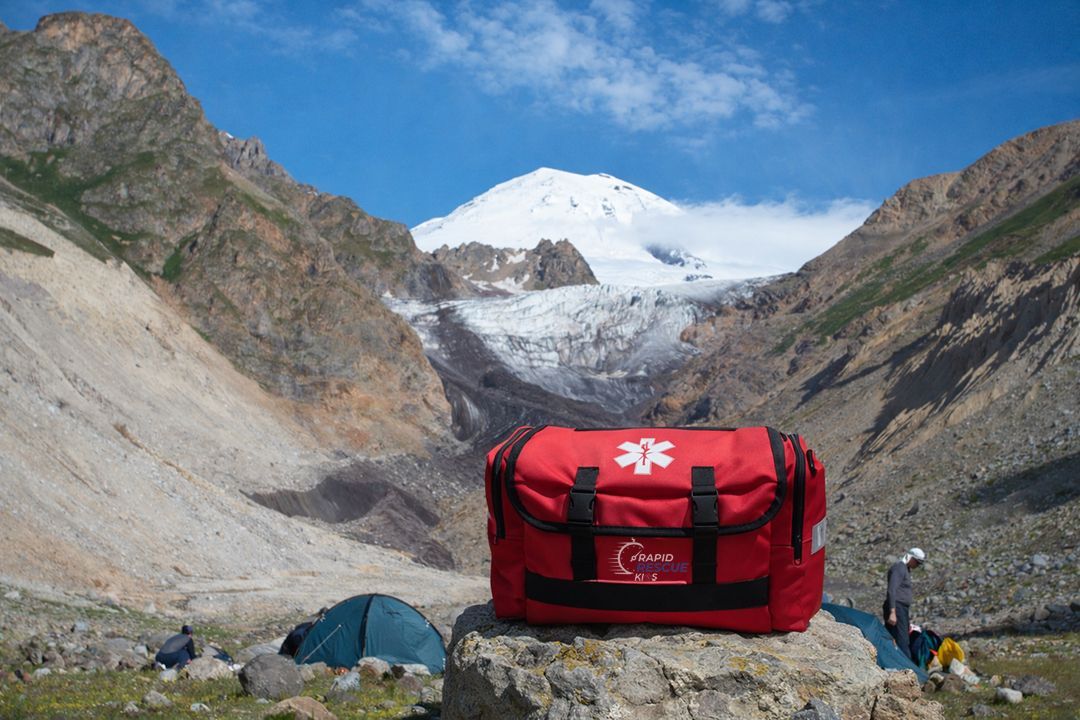
A rescue kit is your lifeline when help is far away. It goes beyond a first aid kit by including tools for survival, navigation, and emergency rescue. Whether hiking, camping, or traveling abroad, an outdoor rescue kit helps you respond to injuries, exposure, or disorientation before professional help arrives.
Common situations that require a rescue kit:
- Medical incidents such as bleeding or sprains
- Lost navigation in remote trails
- Harsh weather and sudden temperature drops
- Limited access to clean water
- Delayed evacuation or communication failures
Rapid Rescue Kits are designed for these situations. Each kit combines trauma care, survival essentials, and communication tools for both outdoor and travel emergencies.
Key Criteria for Choosing the Right Rescue Kit

Selecting the right rescue kit depends on your activity, group size, and destination. Below are the main factors to consider when making your choice.
Consider the Environment and Activity Type
The best rescue kit for outdoor travel should reflect your environment and how long you’ll be exposed.
- Day hikes or city travel: Choose compact rescue kits with essentials like bandages, antiseptic wipes, and a flashlight.
- Multi-day backpacking trips: Include advanced medical tools, water purification, and lightweight shelter.
- Remote or international travel: Add communication gear, personal medications, and navigation tools like a map and compass.
Think of your rescue kit as an insurance policy tailored to your risk. Rapid Rescue Kits recommends reassessing your needs before every trip.
Kit Contents and Functionality
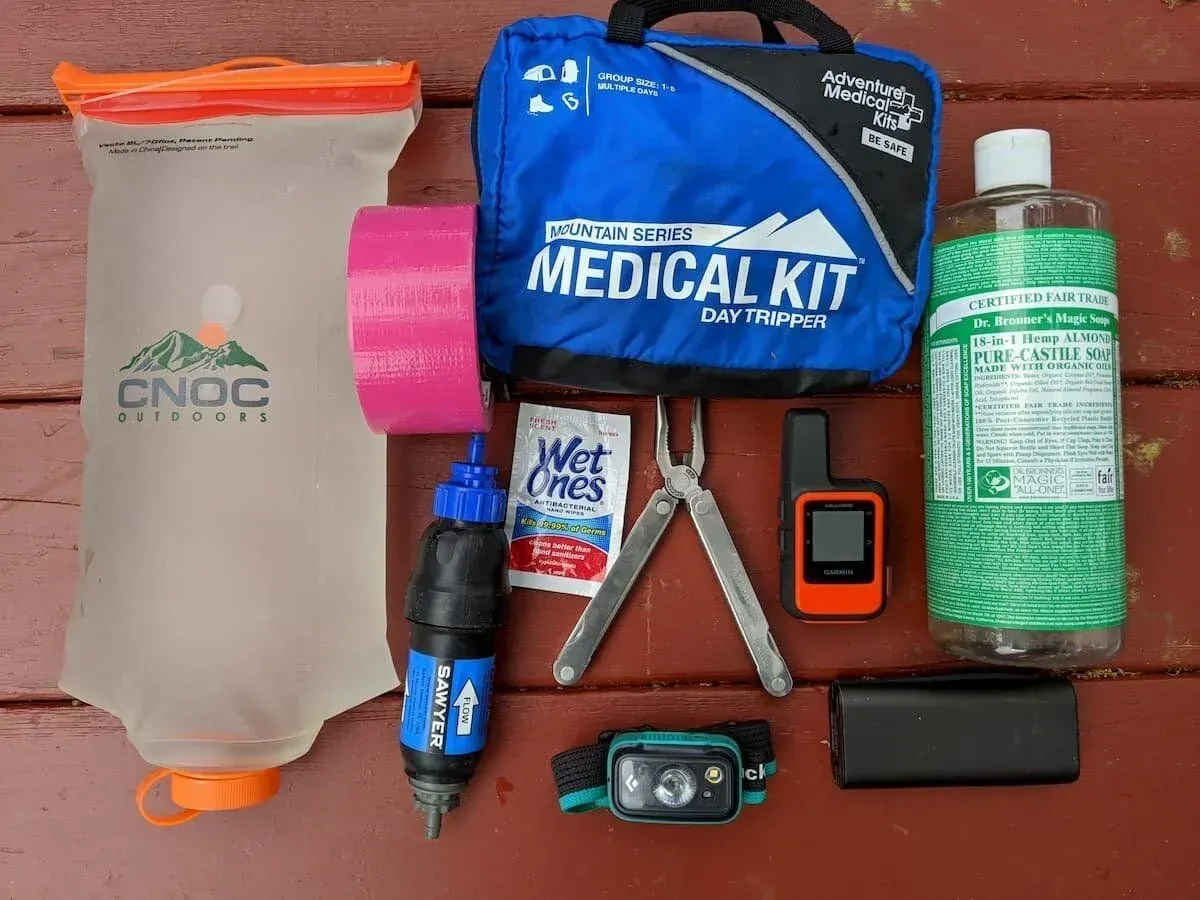
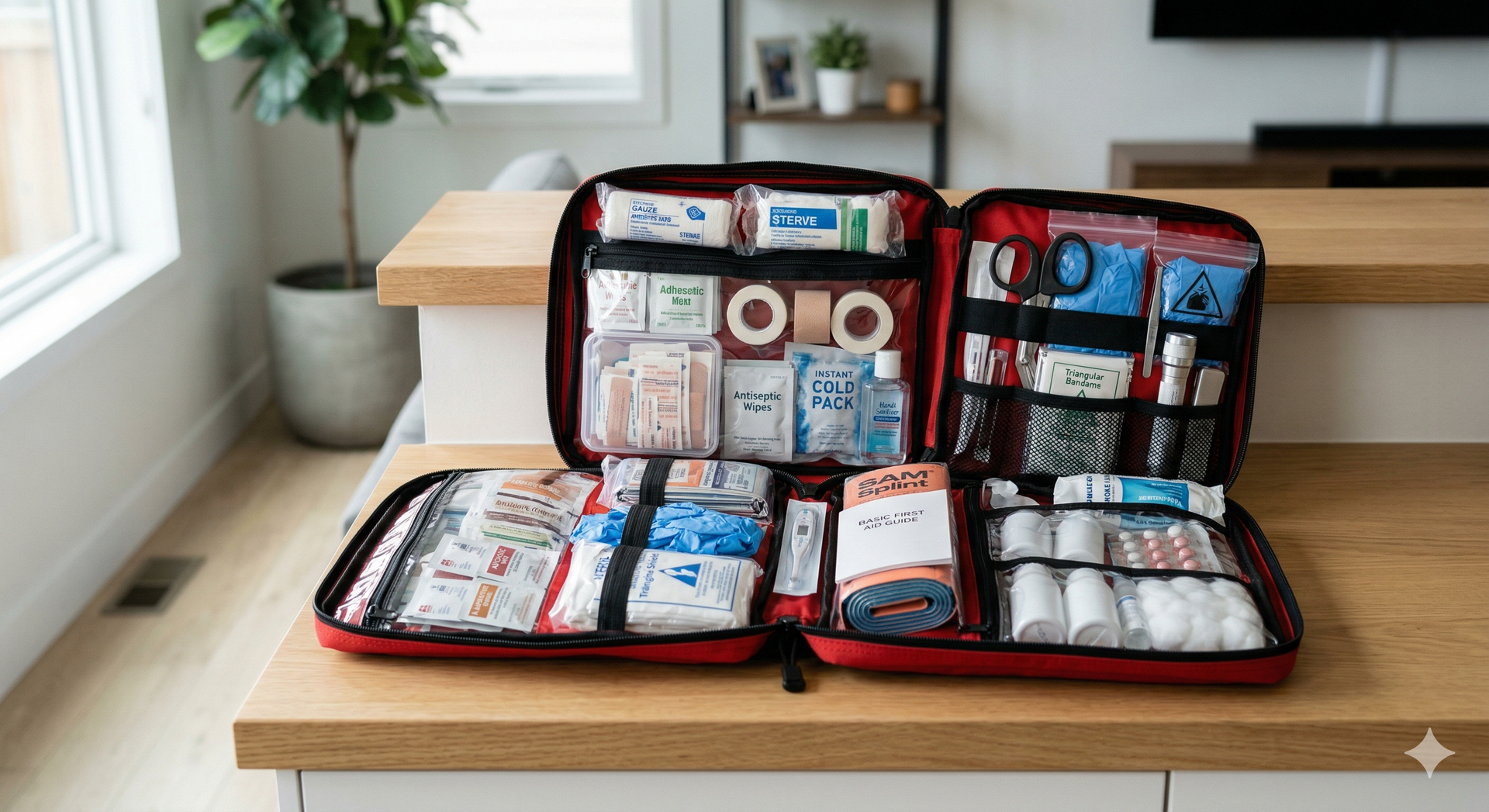
A reliable outdoor rescue kit includes supplies across several categories.
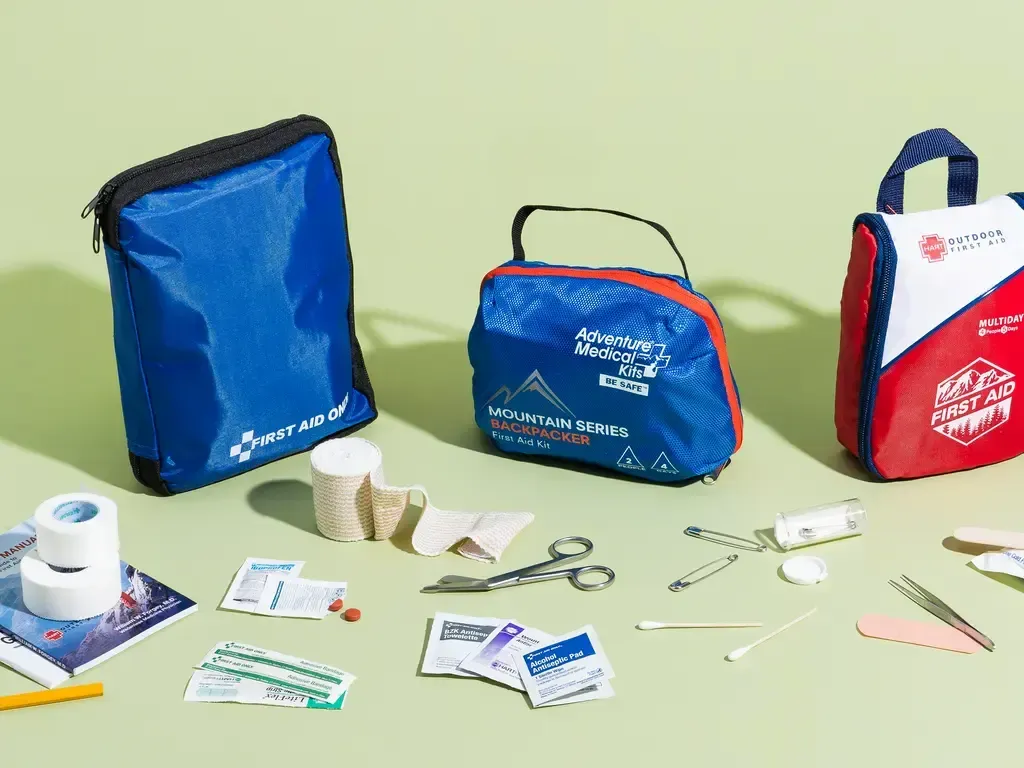
Medical and Trauma Supplies
- Bandages, gauze, antiseptic wipes, pain relievers
- Trauma dressings, tourniquet, splint, and gloves
- Personal medications or allergy treatments
Navigation and Communication
- Map and compass
- Whistle for signaling
- Waterproof phone case or emergency beacon
Survival and Shelter
- Space blanket or bivy sack
- Firestarter or waterproof lighter
- Compact tarp for rain or shade
Water and Food
- Purification tablets or filter
- Energy bars or freeze-dried food
- Collapsible bottle or hydration pack
Every Rapid Rescue Kit is built to include these critical areas, balancing
comprehensiveness with portability.
Weight, Size, and Packability
When traveling or hiking, weight matters. A heavy rescue kit is less likely to be carried, which defeats its purpose.
Look for:
- Compact cases that fit in a backpack or carry-on
- Lightweight materials that don’t compromise strength
- Modular compartments for quick access
Lightweight rescue kits for travel keep you mobile while ensuring preparedness.
Durability and Weather Resistance
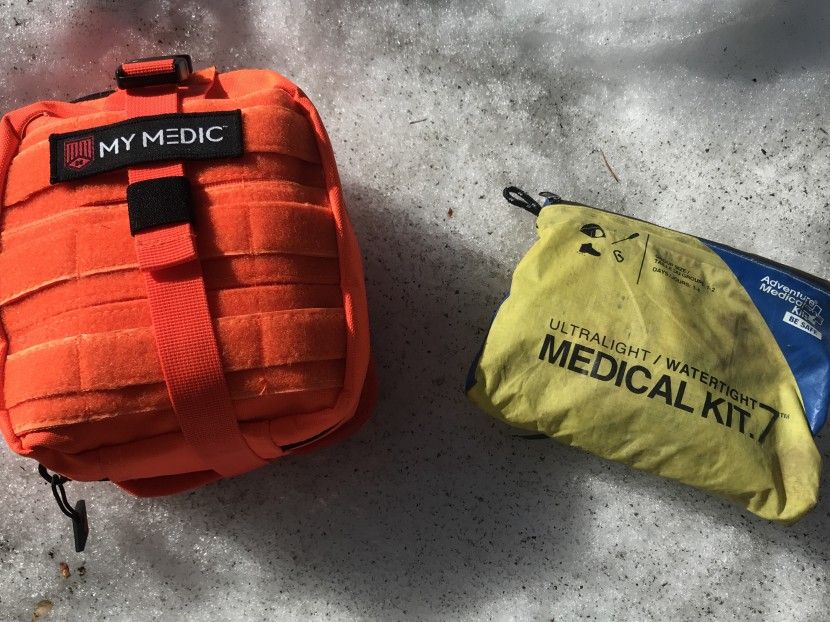
Outdoor adventures expose your gear to rain, dirt, and temperature changes. Choose a waterproof or weather-sealed kit.
- Hard cases or rugged pouches protect fragile tools
- Zippers and seals prevent moisture from damaging supplies
- Materials should handle both heat and cold
A waterproof survival kit for travel ensures your gear remains functional when conditions get tough. Rapid Rescue Kits uses high-durability cases designed for harsh field environments.
Customizability and Refillability
Every traveler or adventurer has unique needs. A customizable rescue kit allows you to adapt contents based on your activities and health.
- Add prescription medications or allergy-specific treatments
- Include gear suited to your destination’s risks (snake bite kit, altitude medication, etc.)
- Replace expired items regularly
Rapid Rescue Kits offers refill packs that make maintenance easy and cost-effective.
Budget and Value
A good rescue kit doesn’t have to be the most expensive. Focus on balance—quality supplies that meet essential needs. For workplace or high-risk environments, Industrial First Aid Kits offer specialized medical gear designed for faster response and higher injury protection standards.
Compare by:
- Included trauma and survival tools
- Material strength and waterproofing
- Organization and usability
Affordable rescue kits for travel and outdoor use are available, but always ensure they meet safety standards.
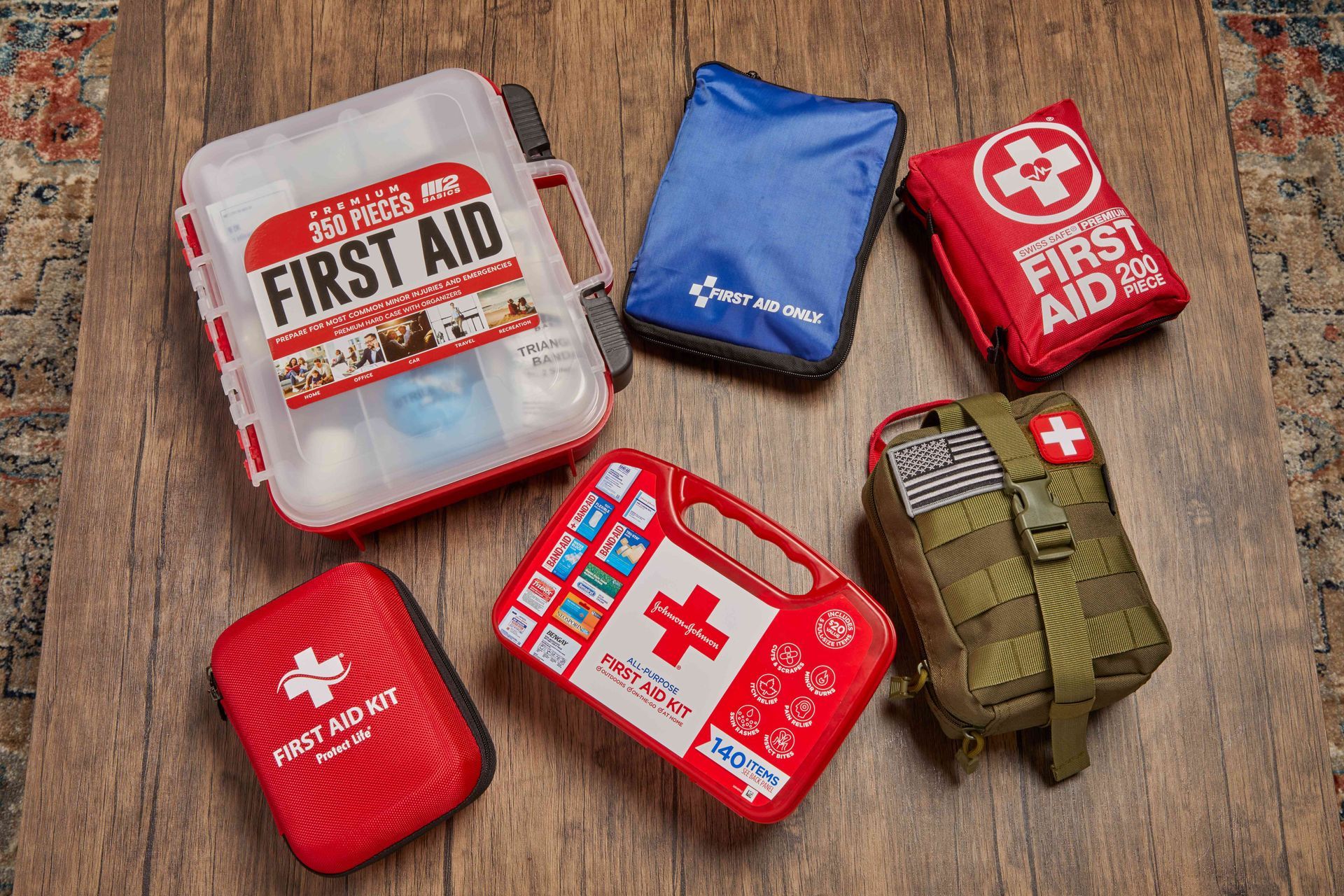
Types of Rescue Kits and Which One Fits You

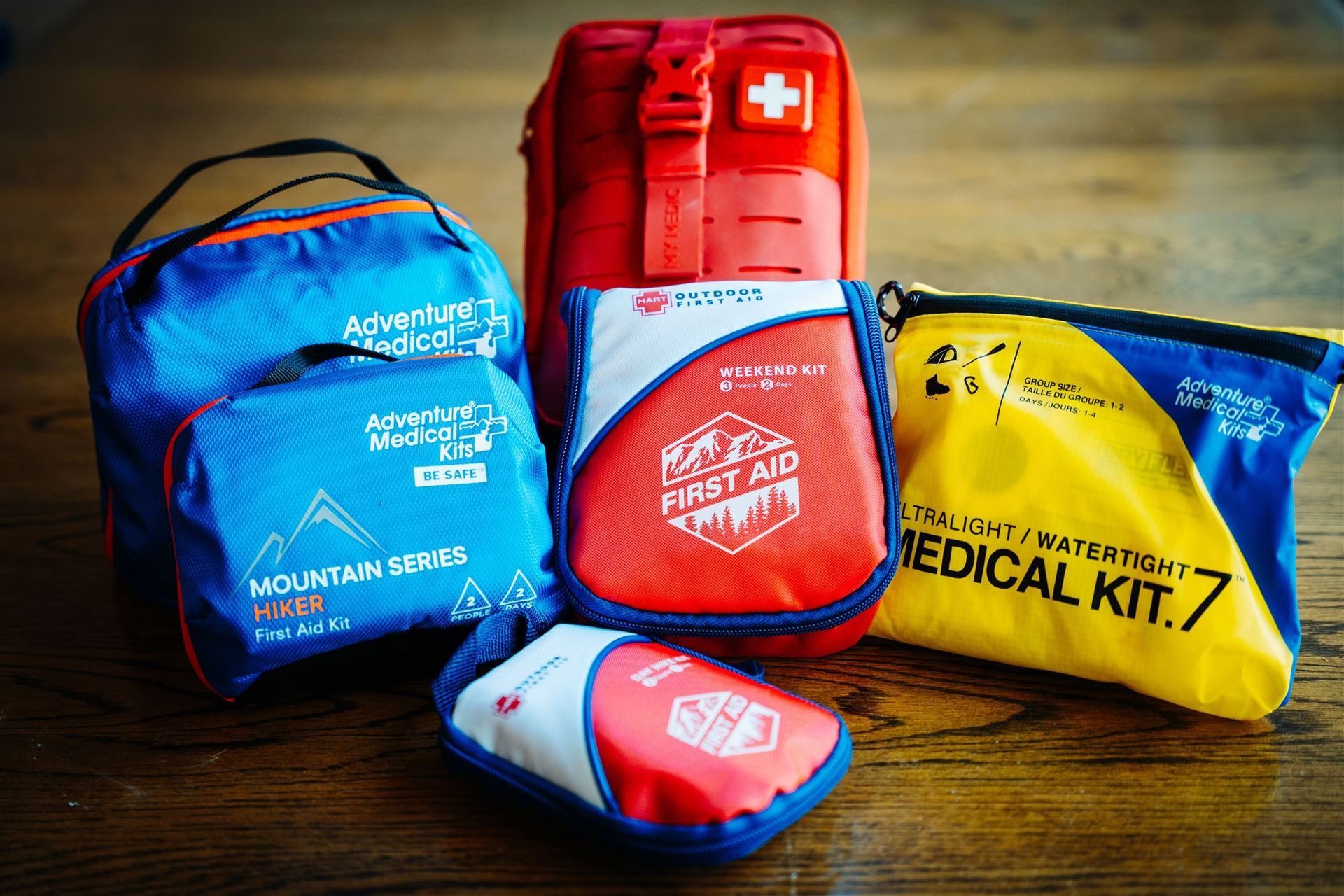
Rescue kits vary in size and purpose. Choose one that matches your activity type and travel conditions.
Compact or Minimalist Rescue Kits
Ideal for day trips, city exploration, or carry-on travel.
- Lightweight and fits in small bags
- Includes essentials like bandages, wipes, and flashlight
- Best for quick access and short-term emergencies
Rapid Rescue Kits offers compact options ideal for solo travelers and urban explorers.
Mid-Size Rescue Kits
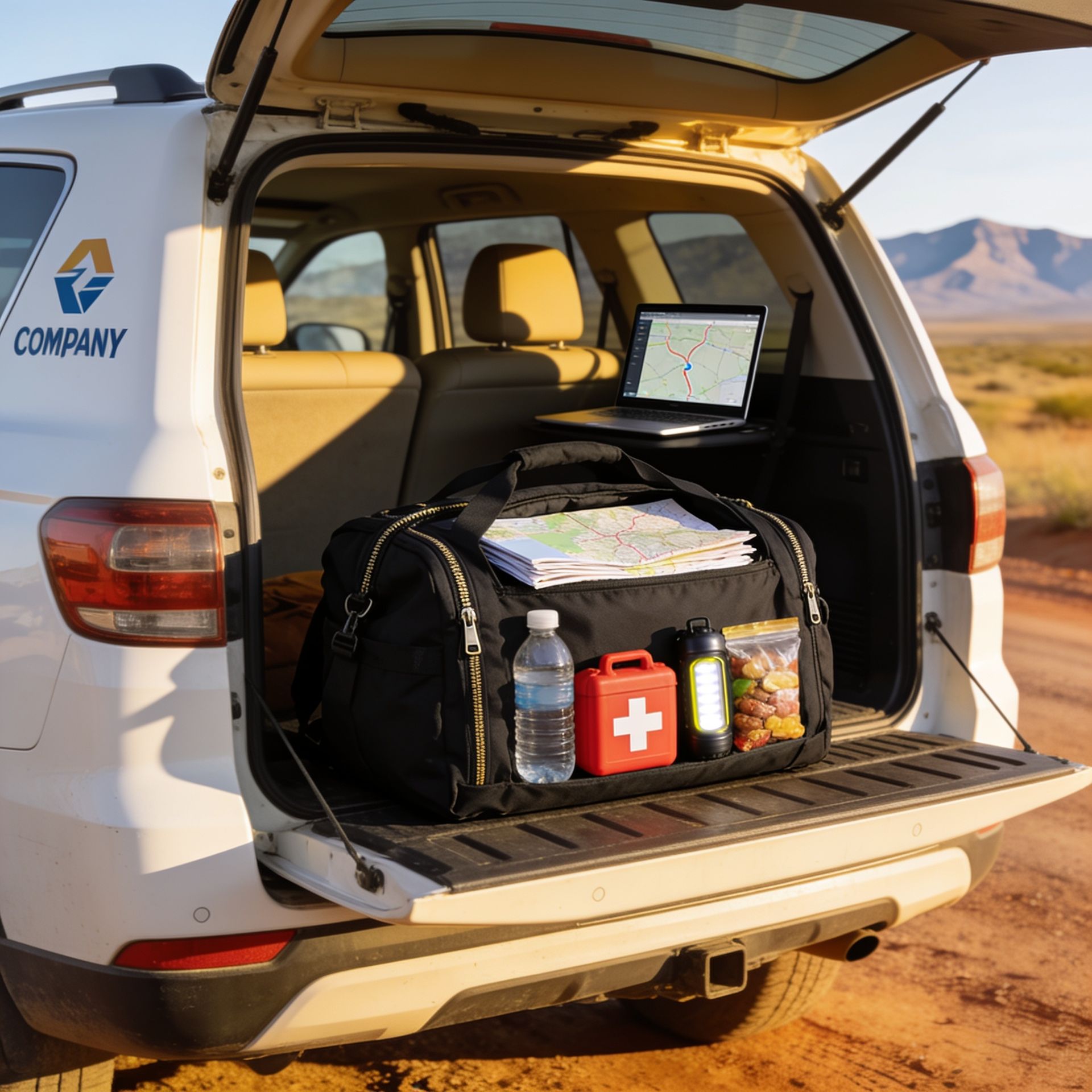
Designed for weekend hikes, car camping, or small group trips.
- Expanded first aid section
- Basic survival and signaling gear
- Room for customization
This balance works well for moderate adventures where you need reliable coverage without bulk.
Full Wilderness or Family Rescue Kits
Made for extended trips, remote expeditions, or family outings.
- Comprehensive trauma gear
- Shelter, water purification, and multi-tools
- Suited for unpredictable conditions
Families and teams benefit from these kits since they cover multiple people and longer durations.
How to Maintain and Pack Your Rescue Kit

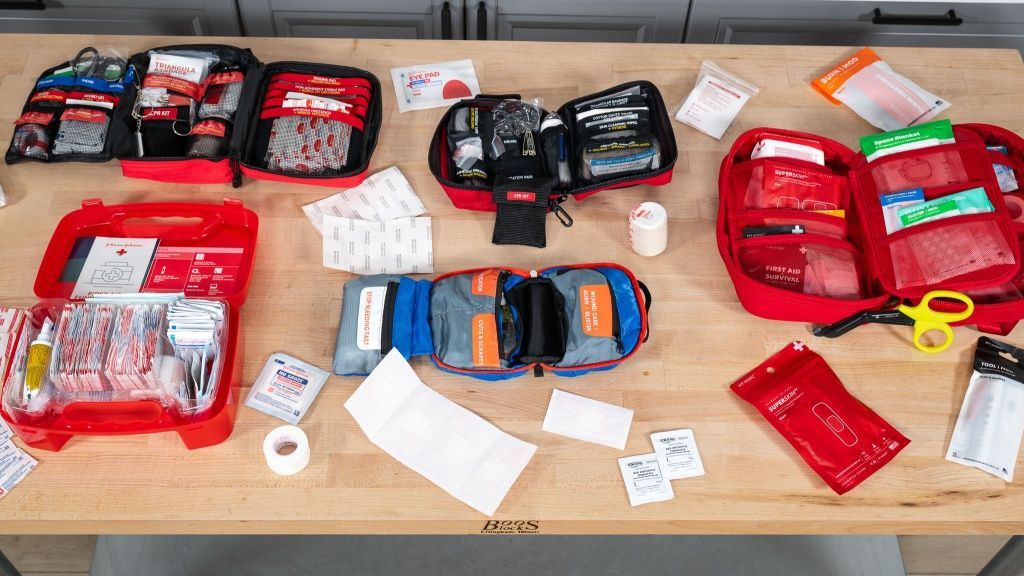
Keeping your rescue kit organized ensures fast response when emergencies occur.
Packing Tips
- Store heavier items near the base of your backpack
- Keep frequently used tools accessible
- Label compartments for medical, survival, and signaling items
Maintenance Tips
- Check expiry dates on medications and antiseptics
- Replace used or damaged items
- Inspect for moisture or mold after each trip
Preparing your kit before travel reduces panic during emergencies. Rapid Rescue Kits provides guidance for re-packing and maintaining your gear for long-term reliability.
Top Mistakes to Avoid When Choosing a Rescue Kit

Avoiding common errors saves money and enhances your safety.
- Buying the wrong size for your trip
- Ignoring weatherproofing or durability
- Failing to check component quality
- Overstuffing with unnecessary items
- Forgetting to customize for personal needs
A portable rescue kit designed for remote and travel scenarios should strike a balance between readiness and mobility.
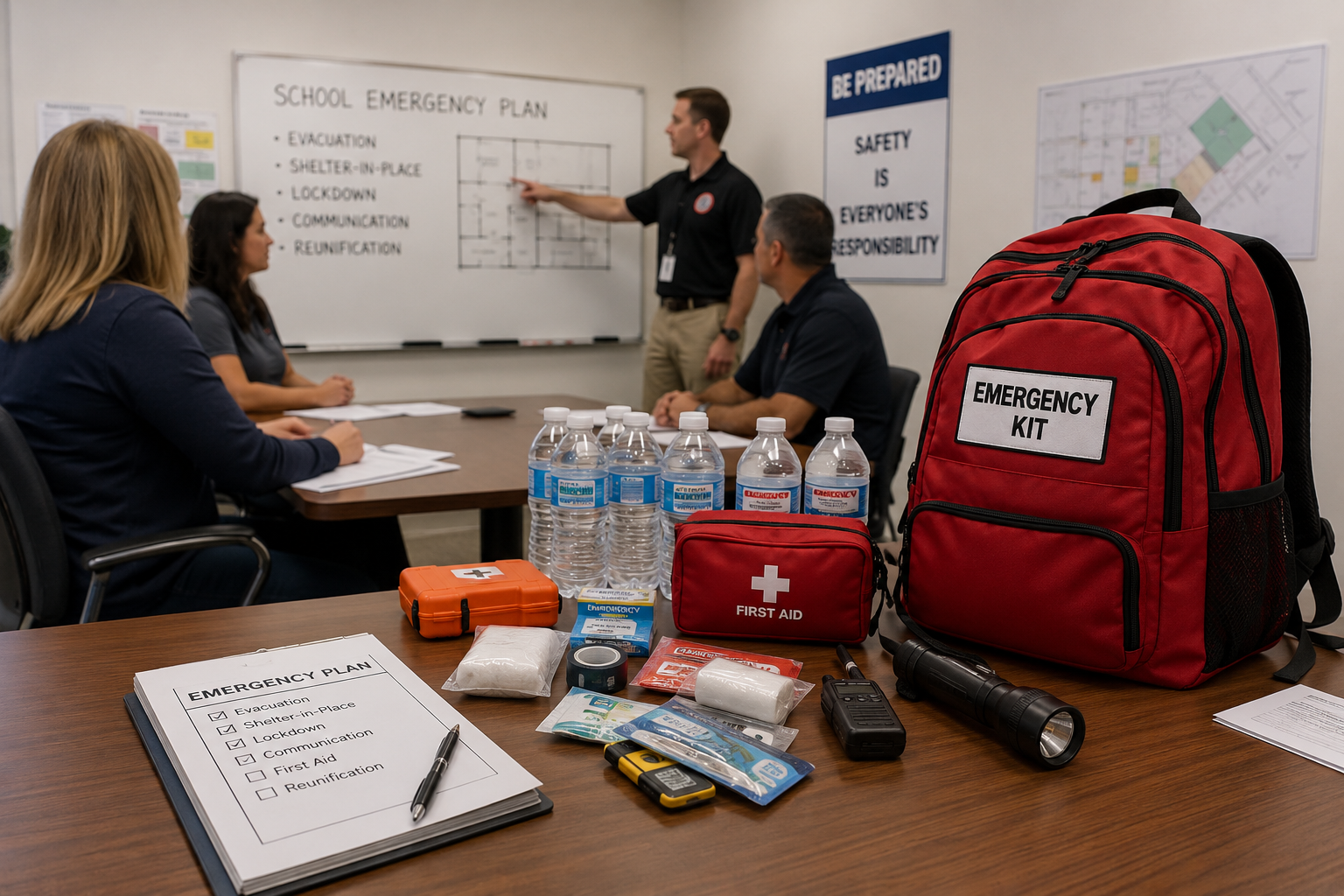
Sample Rescue Kit Checklist for Outdoor Adventures and Travel

Medical and Trauma Supplies
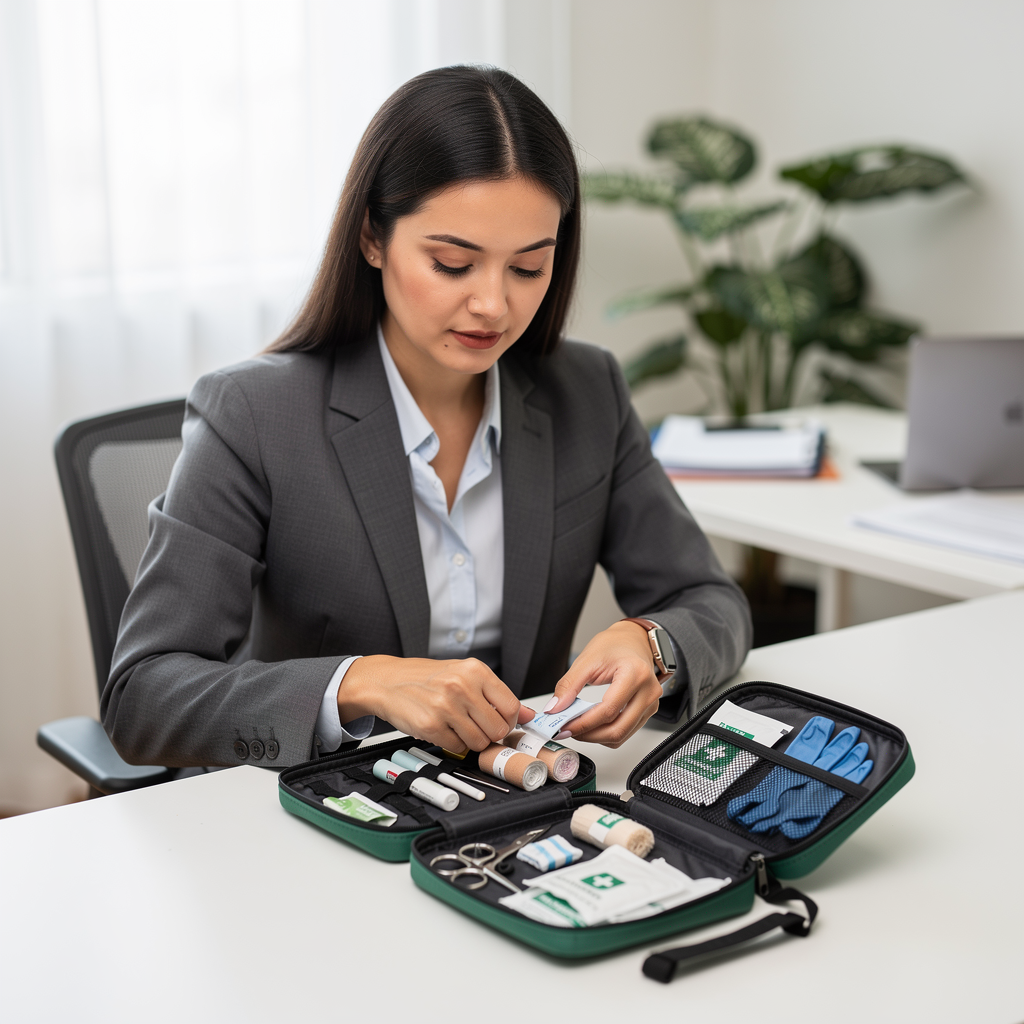
- Adhesive bandages, gauze pads, antiseptic wipes
- Elastic wraps and tape
- Tourniquet, trauma dressing, gloves
- Tweezers and scissors
- Pain relievers and antihistamines
Rescue and Signaling Gear
- Whistle
- Reflective mirror
- Flashlight or headlamp with extra batteries
- Waterproof matches
Survival and Shelter Tools
- Emergency blanket or bivy sack
- Compact tarp or poncho
- Firestarter or lighter
- Rope or paracord
Water and Nutrition
- Water filter or purification tablets
- Energy bars or compact meals
- Collapsible bottle
Navigation and Documentation
- Map, compass, and permanent marker
- Emergency contact card
- Waterproof phone case
Optional Add-ons
- Sunscreen and insect repellent
- Duct tape for repairs
- Multi-tool or knife
- Personal medications
FAQs About Rescue Kits for Outdoor Adventures and Travel