The Modern Family Emergency Plan Every Parent Needs in 2026

Your Family Is Strongest When You Have a Plan
Preparedness isn’t about fear. It’s about giving your children stability when life becomes unpredictable. When you know where your supplies are and how to use them, you create a sense of safety your kids can feel.
If you want to make your plan easier to start, Rapid Rescue Kits offers organized, dependable gear built for real family life. We offer kits for home injuries, long drives, outdoor weekends, and emergencies where every second matters. Many parents begin with one kit for home and one for the car, then add outdoor or travel gear once they see how simple preparedness can be.
If you’d like help choosing the right setup, you’re always welcome to explore the kits built for families. Reach out to us today so we can walk you through what fits your routines best. Your future self, and your kids, will be grateful you made the plan before you needed it.
FAQs about Family Emergency Plan
6. Prepare for 72 Hours of Disruption
Power outages, storms, and wildfire evacuations remind families how quickly daily routines can shift. A simple three-day plan gives you breathing room until services stabilize.
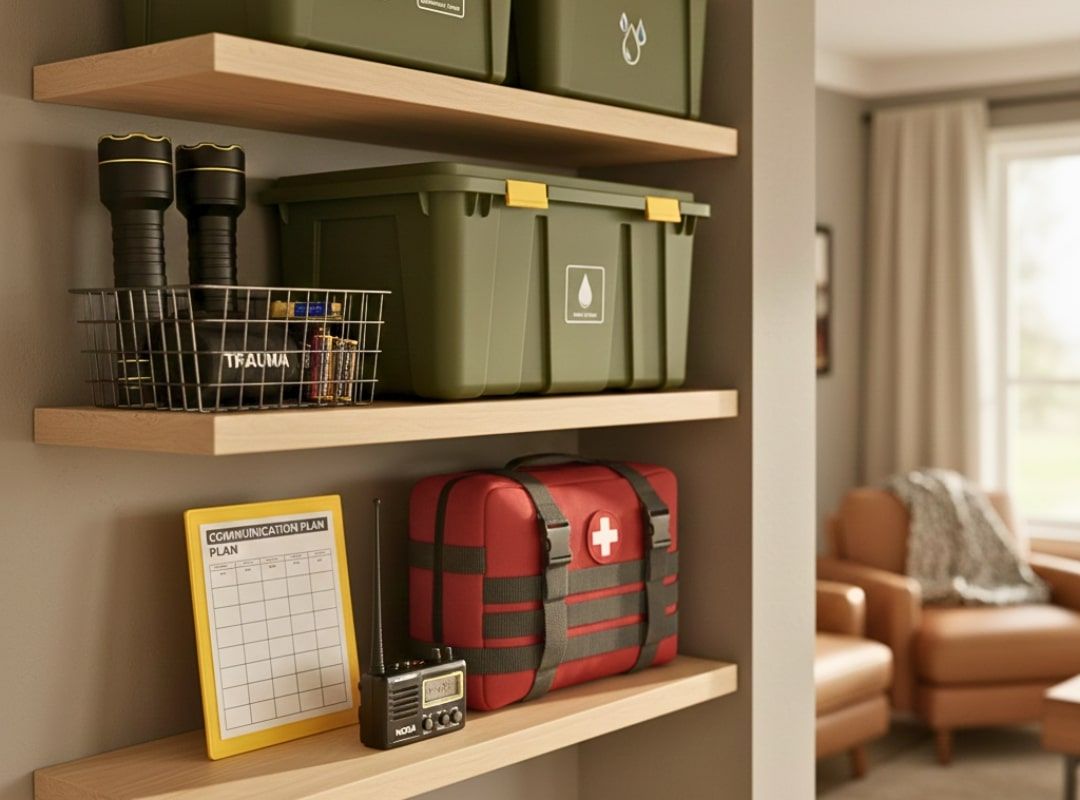
Store water, food, blankets, chargers, hygiene items, and medical supplies in a clear bin. Twice a year, walk through the plan with your family. Update contacts, review evacuation routes, and ensure that your car kit is stocked. These small routines help your kids feel secure and teach them that preparedness is an act of care.
7. Choose Kits That Match Your Family’s Lifestyle
Parents often ask, “Which kit do we really need?” The best choice depends on where your family spends time.
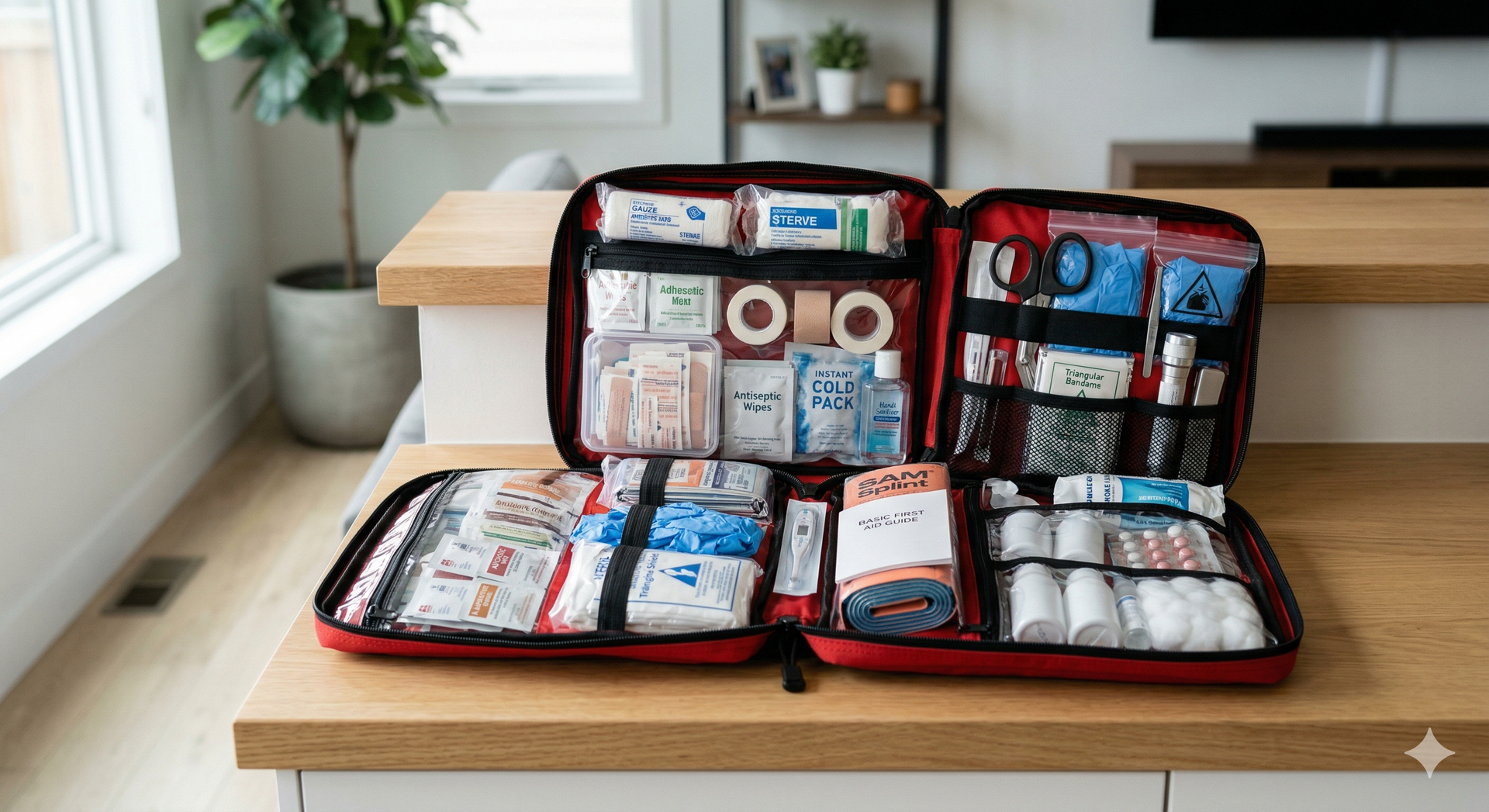
A home first-aid kit covers fevers, minor wounds, and routine care. A trauma kit supports you during sports injuries, road incidents, or outdoor accidents. Vehicle kits protect your family on busy highways or rural roads. Adventure-ready kits support hiking, camping, and travel. Families in wildfire, hurricane, or severe-storm regions often benefit from combining several types.
Clear labeling and simple organization make any kit easier to use under stress. When you can reach tools quickly, you stay calmer and more effective, especially if you’re the only adult present.
Families today face a world that changes faster than ever. Storms grow stronger, response times stretch in growing suburbs, and kids spend more hours in sports, travel, and outdoor programs. A modern family emergency plan matters more than a stocked shelf. As parents, you want a plan that your family can follow, and every second matters.
A family emergency plan should feel simple and steady. Below is a seven-step guide, with practical steps that fit today’s real routines. This guide applies across the U.S., including the unique challenges families see in Western states like Colorado.

7-Step Modern Family Emergency Plan for Real-World Readiness
1. Understand Today’s Real Family Risks
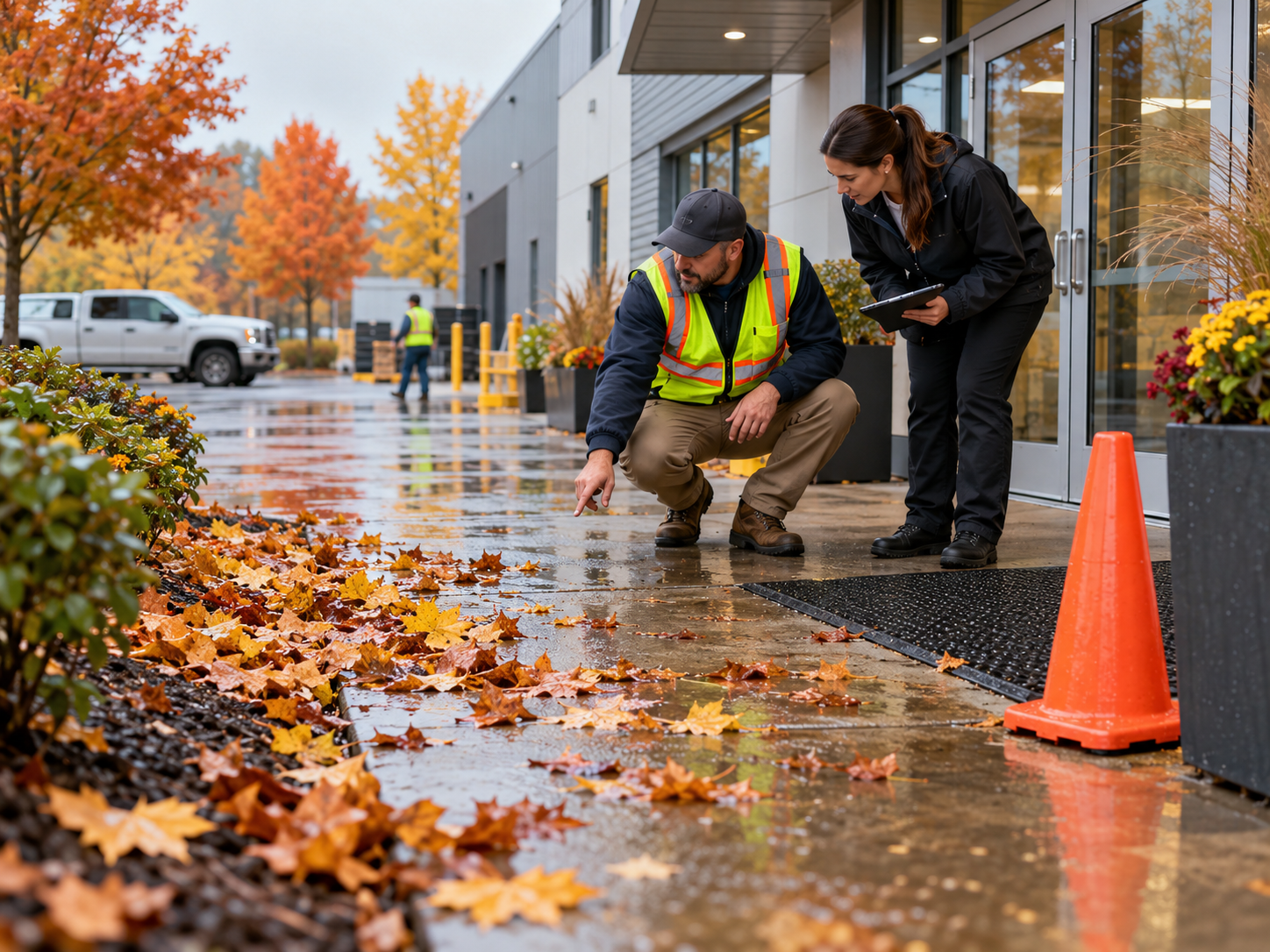
Parents now navigate challenges that barely existed a decade ago. Earlier storm seasons, shifting wildfire smoke patterns, and longer weekend driving all play a role. These conditions create moments when parents may need to act before help arrives.
Many share the same worry: “What if something happens and it’s just me?” A clear plan replaces that fear with confidence by showing exactly what to do and where to go.
2. Build a Home Base That Keeps Everyone Steady
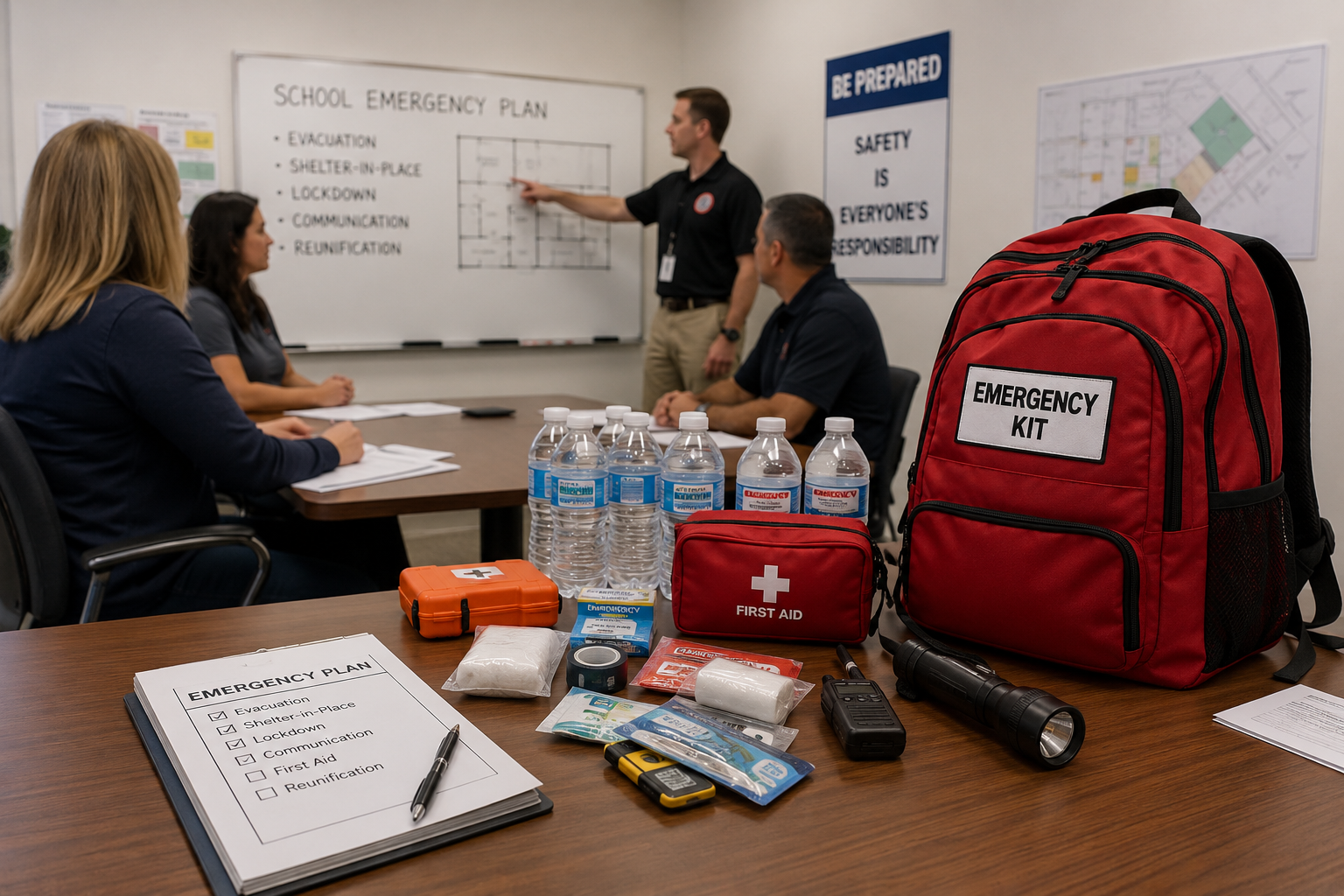
Your home is your anchor when something goes wrong. Create a central “emergency station” that family members can reach in the dark or during a power outage. Stock it with a first-aid kit, a trauma kit, flashlights, backup chargers, basic food, and water. One predictable location prevents the frantic cabinet search that raises stress during an emergency.
Kids should understand this space too. Initiate brief and calm conversations with them help children feel prepared instead of overwhelmed. Show where the emergency kit is and how to unlock the door for responders. Tell them where to meet if the house feels confusing during a stressful moment. Slip a written communication plan into the front of your home kit. Cell towers go out. Batteries die. A printed list of emergency contacts, a trusted neighbor, and an out-of-town relative becomes invaluable when digital tools fail.
3. Turn Your Vehicle Into a Safer Space
Many emergencies happen away from home, especially on daily routes parents drive without thinking. Families in Colorado, Texas, Arizona, Utah, and the Southeast often face long stretches of highway where EMS response is slow. Even quick drives to school or practice can surprise you.
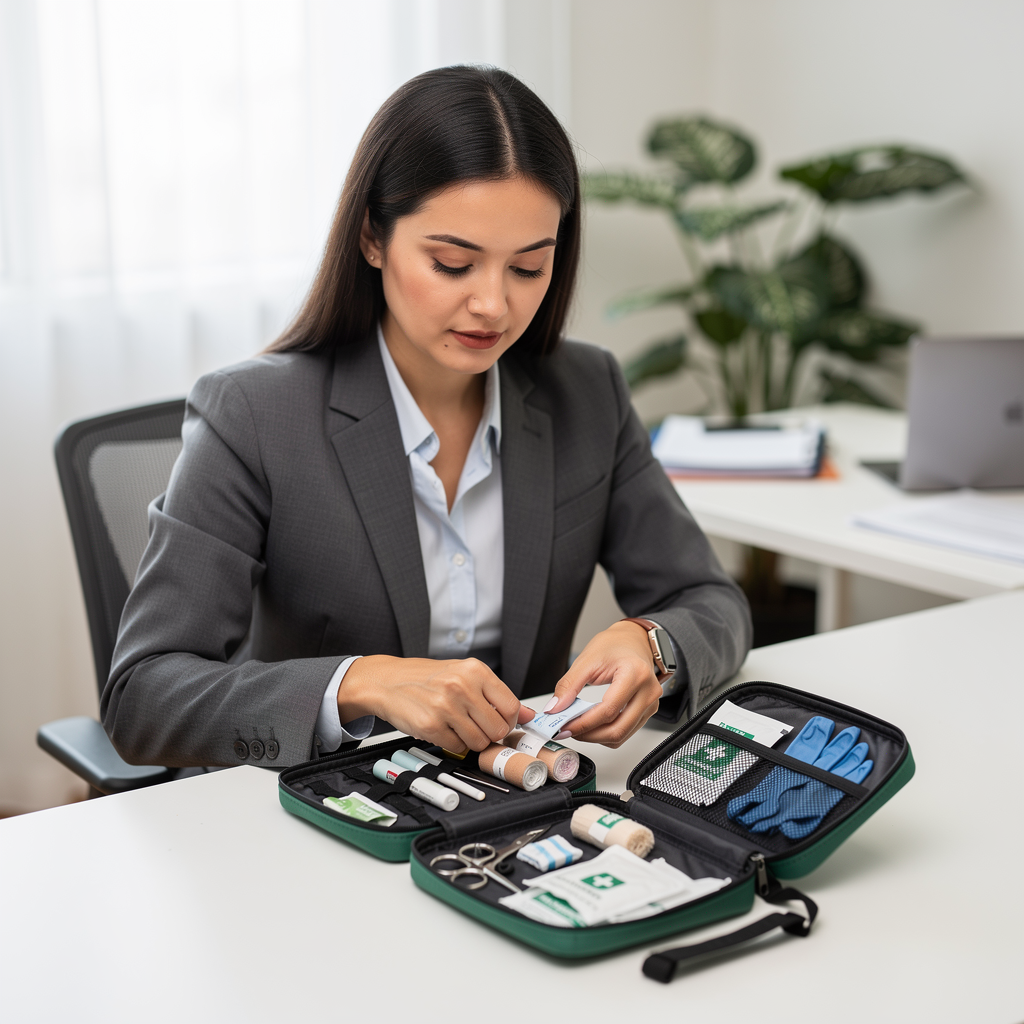
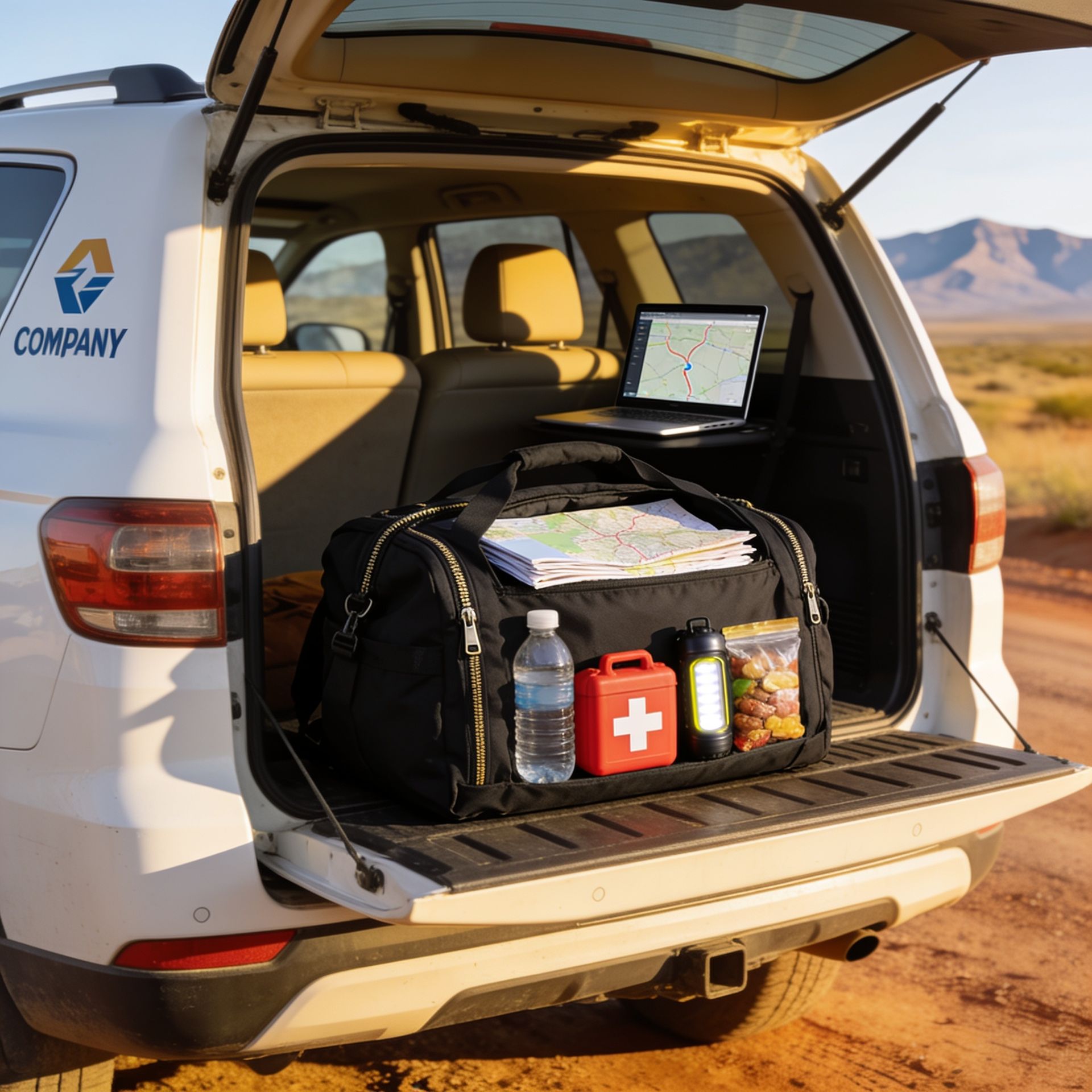
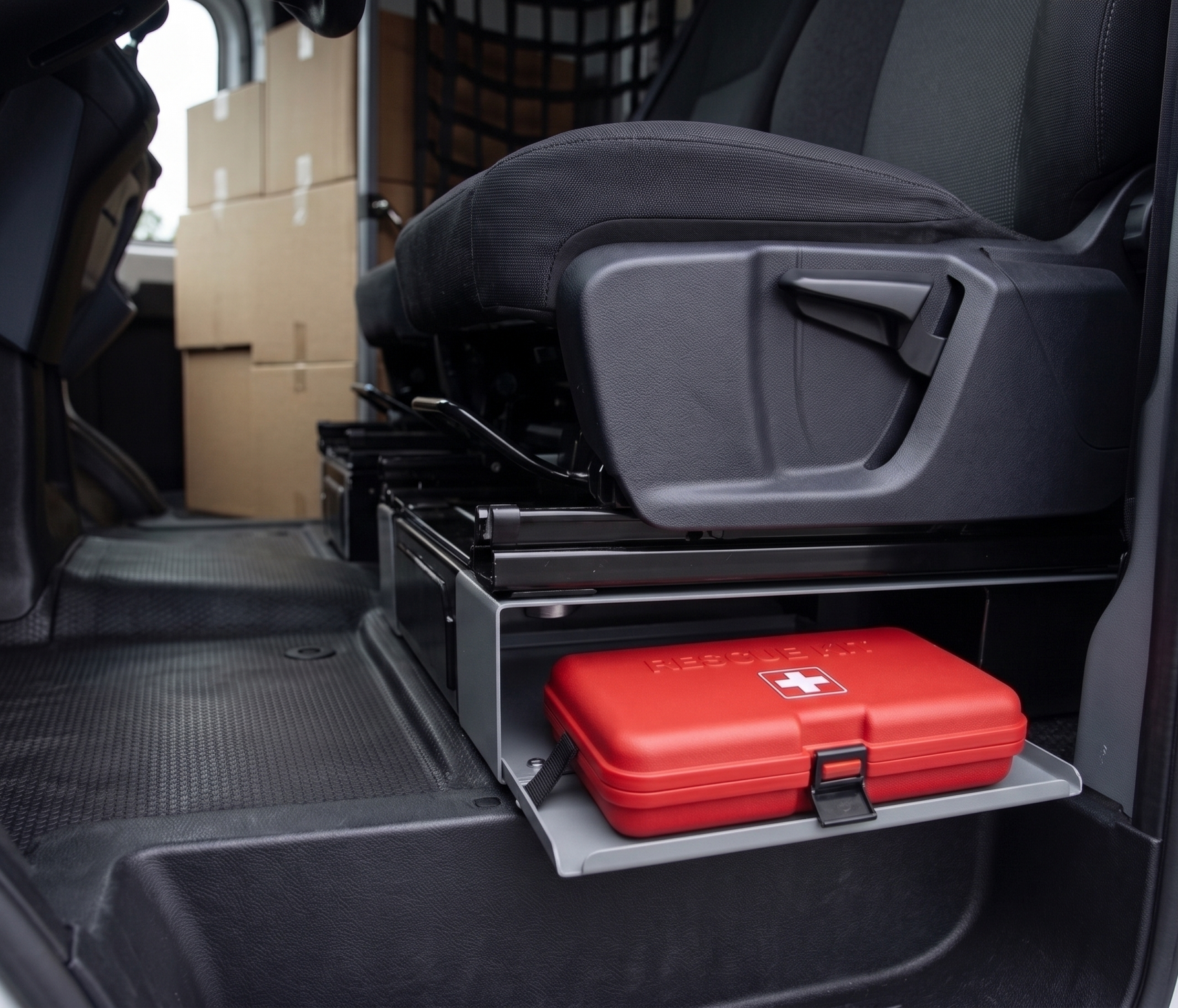
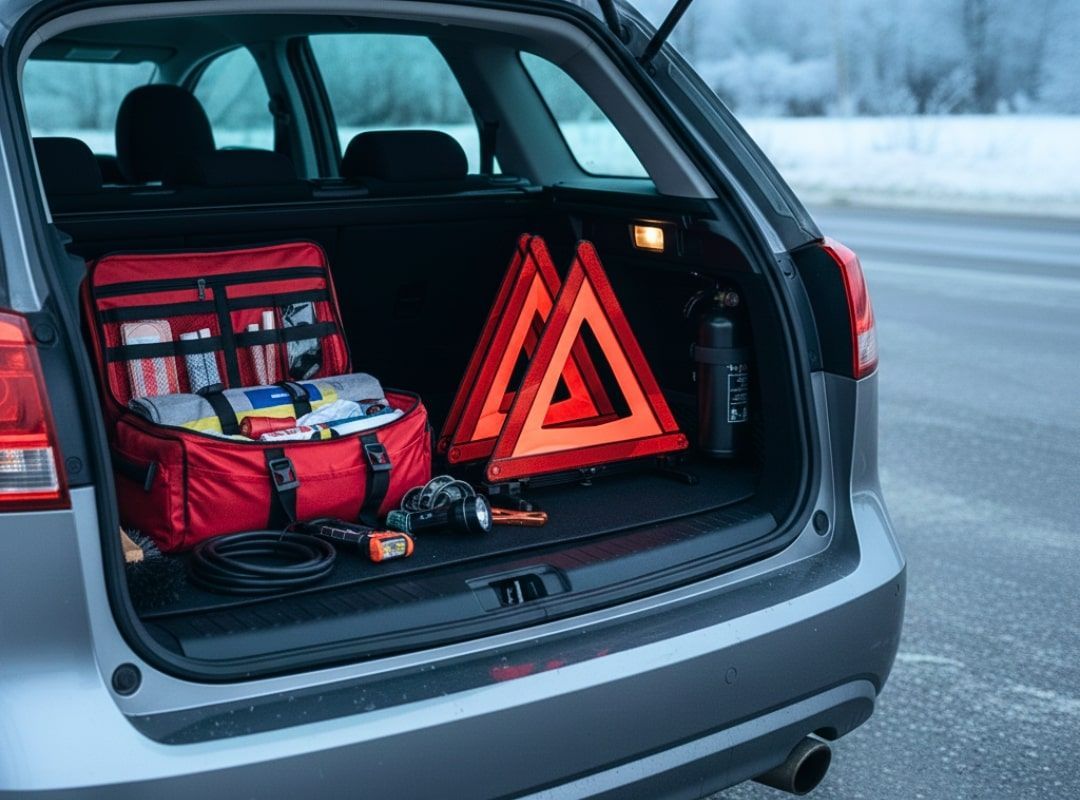
Your car should carry both an organized first-aid kit for routine problems and a compact trauma kit for emergencies. With tools like a tourniquet, pressure bandage, and CPR mask, you can step in confidently until responders arrive.
Pair medical gear with basics such as reflective triangles, jumper cables, a patch kit, and a flashlight. These protect your family if you need to pull over during bad weather or in heavy traffic.
Also, teach your older kids how they can help. Show them how to stay calm in the vehicle, move away from traffic if needed, or hand you supplies. When kids know their role, they react with more confidence and far less panic.

4. Prepare for Outdoor Weekends and Everyday Play
You love to spend more time outdoors; you go hiking, camping, exploring river trails, or spending long weekends in national parks. But outdoor spaces come with their own risks, especially when help is far away.
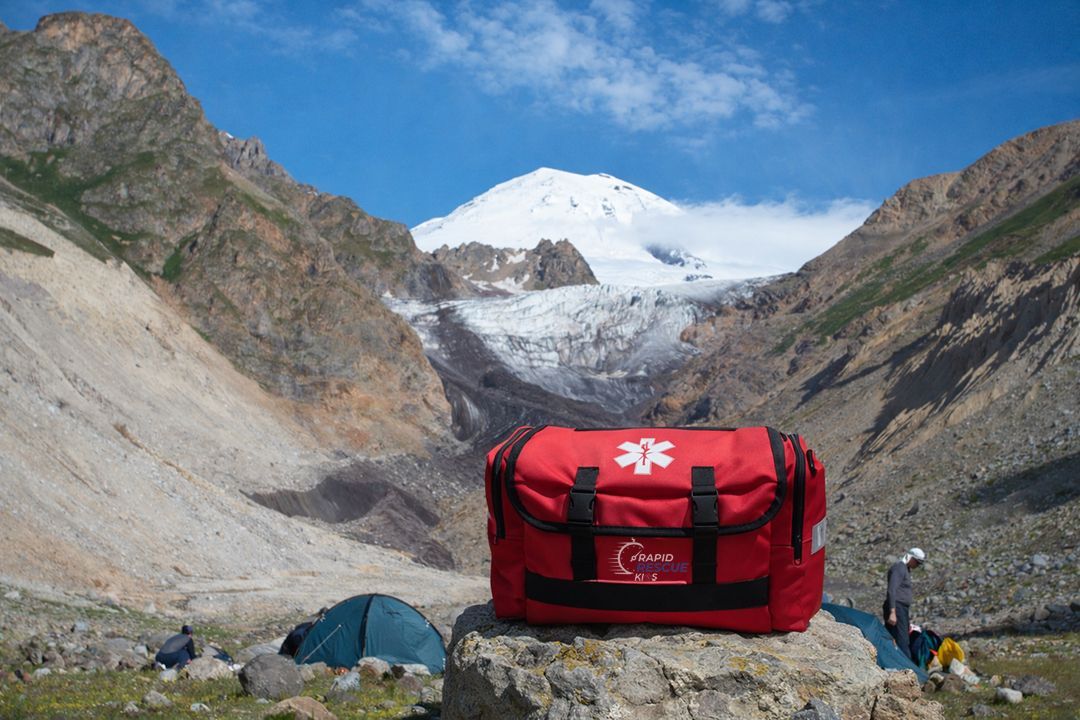
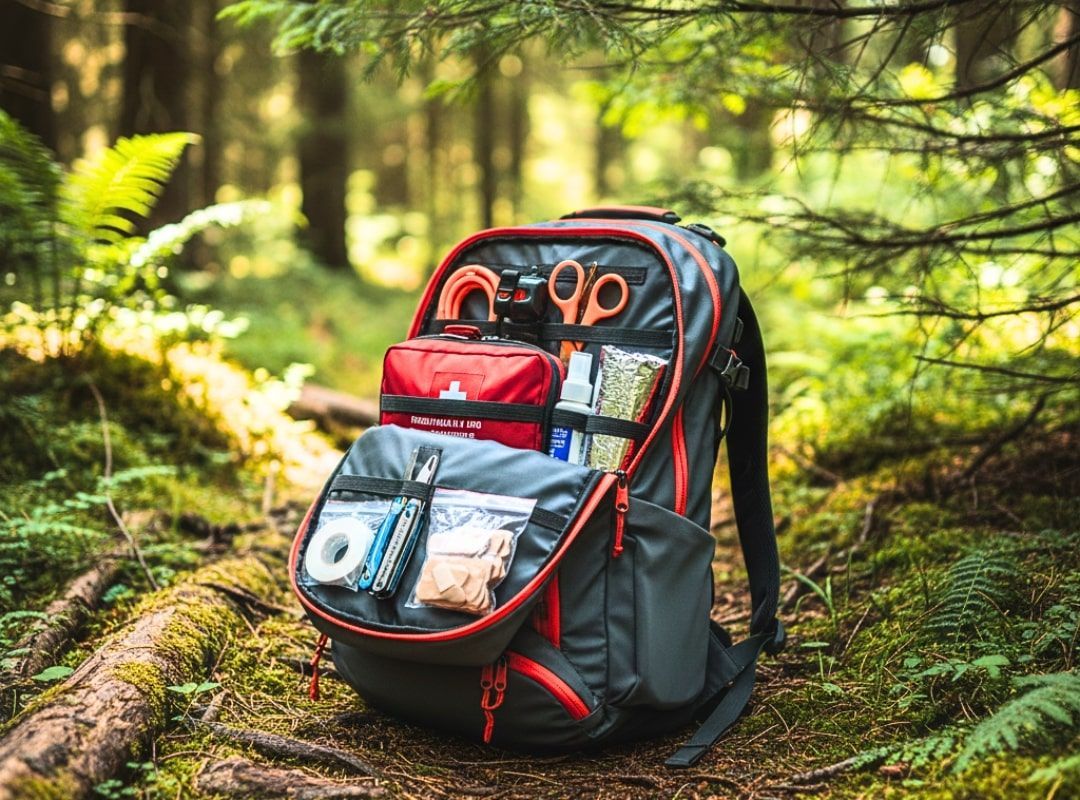
Having a lightweight kit in your backpack that handles common problems like cuts, blisters, sprains, and dehydration is essential. Choose weatherproof materials that hold up to rain, dust, heat, and the unexpected lake splash. Add small trauma essentials so you’re ready for more serious injuries.
And before heading out, take one minute to scan the basics: weather, trail difficulty, water supply, and cell coverage. Designate a meeting point if someone gets separated. This quick routine reduces a parent’s mental load and keeps kids safer.
5. Build Trauma Readiness Into Everyday Life
Bleeding control remains one of the most valuable skills a parent can learn. No medical background required, just direct pressure, basic tourniquet use, and simple wound packing.
Place trauma kits in the car trunk, home emergency station, sports equipment shelf, and any grab-and-go bag you use for weekends. These small placement choices can change the outcome of serious injuries, especially when help is delayed or crowds slow responders.
How often should families update their emergency plan?
Twice a year is ideal. Review supplies, update contacts, check expiration dates, and walk children through the plan so they remember each step.
What’s the difference between a first-aid kit and a trauma kit for families?
A first-aid kit handles everyday injuries like cuts, scrapes, and burns. A trauma kit includes bleeding-control tools, such as a tourniquet and pressure bandage, for more serious emergencies.
Where should emergency kits be stored in the home?
Choose one central, easy-to-reach location that children can identify quickly. Avoid high shelves or cluttered spaces that slow you down during stressful moments.
How do parents know which kit to keep in the car?
Choose a vehicle kit that covers both basic care and bleeding control. Look for organized, compact gear designed for roadside delays, long trips, and environments with slow EMS response.
What’s the simplest way to start preparing if a family feels overwhelmed?
Begin with two essentials: a home kit and a vehicle kit. Then add a written communication plan. Once these three pieces are in place, expanding into outdoor and travel gear becomes easy.