
Why Every Campus Needs in an Emergency Response Kit
Schools are meant to be places of learning, growth, and community. Parents drop off their children expecting they are inside safe classrooms. Coaches lead practices focused on development. Administrators work hard to create environments where students can thrive.
But even in the safest districts, emergencies can happen without warning.
A serious injury can happen on the playground. A traumatic accident during a sports event can occur. A sudden crisis during a large school event can instantly turn an ordinary day into a situation where every second matters. In those first critical minutes, the reality is simple: professional medical help may not be immediately available.
That is exactly why more schools across the country are beginning to invest in emergency response kits.
The question is no longer whether schools should be prepared.
The real question is whether they have the right tools on-site when it matters most.

Why Schools Need More Than Standard First Aid Kits
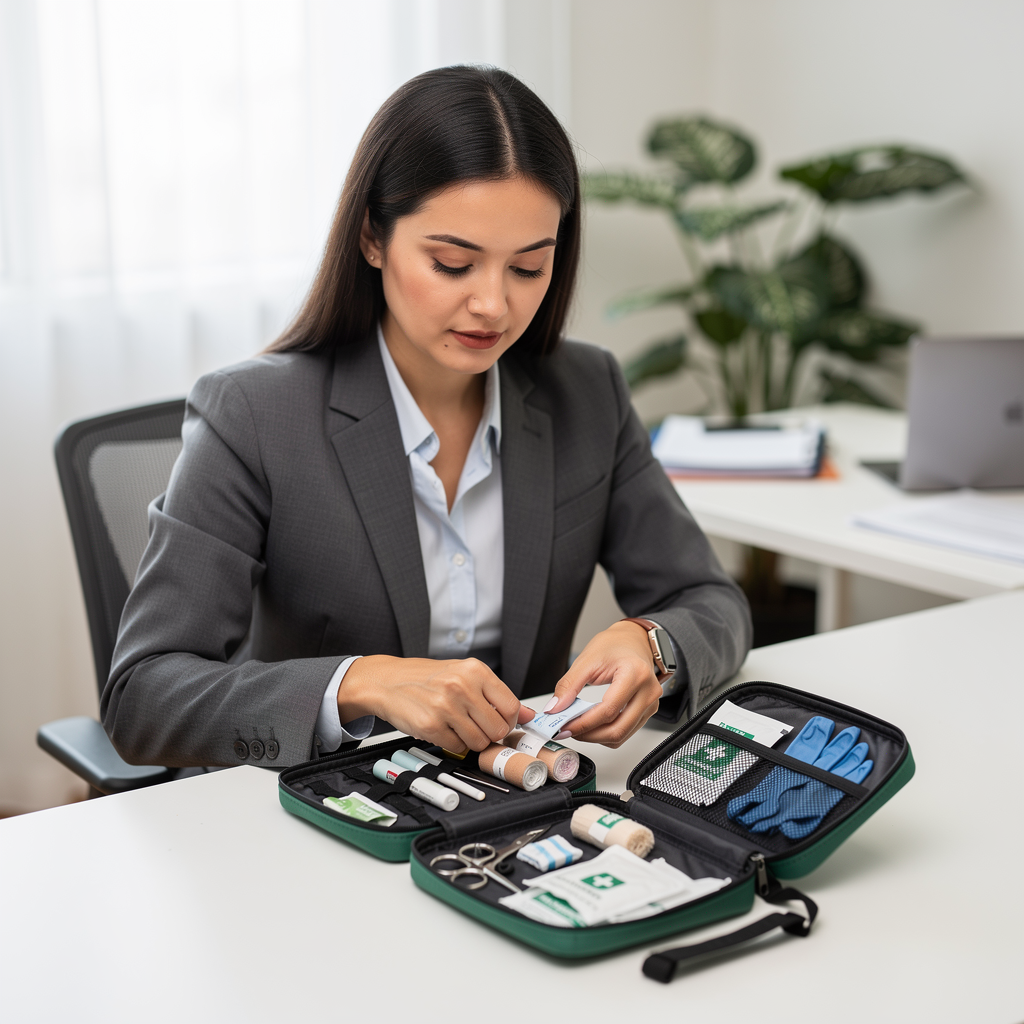
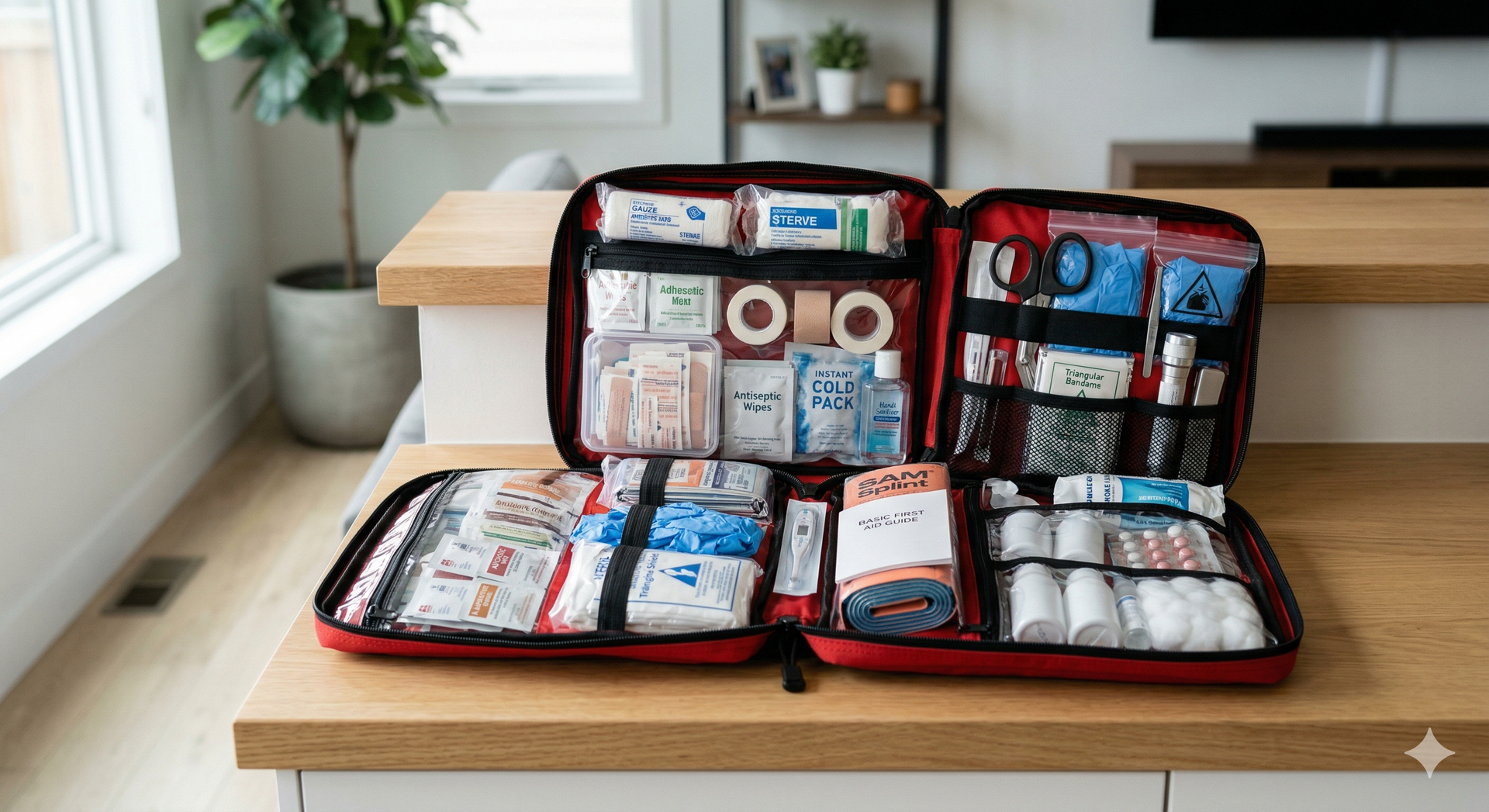
Most schools already have basic first aid supplies. Bandages, antiseptic, gauze, and ice packs are commonly stocked and useful for everyday injuries.
But in a true trauma emergency, those items are not enough.
Uncontrolled bleeding is one of the leading causes of preventable death in traumatic emergencies, and it progresses quickly. In fact, someone experiencing catastrophic blood loss can die in minutes if bleeding is not stopped immediately.
A traditional first aid kit cannot effectively respond to:
- Catastrophic bleeding
- Traumatic limb injuries
- Serious fractures requiring immobilization
- Emergencies where CPR support may be needed
Having an emergency response kit fills the gap between minor first aid and advanced trauma response.
For schools, that gap is critical because injuries often happen in high-energy environments: gyms, playgrounds, science labs, and athletic fields.
Preparedness is not about expecting the worst. It is about equipping staff with the ability to respond effectively in the rare moments when immediate action saves lives.

Common School Situations Where Bleeding Control Kits Are Needed
Severe bleeding emergencies are rare, but when they occur, the response window is extremely short.
Some of the most common scenarios schools face include:
Athletic Injuries and Sports Accidents
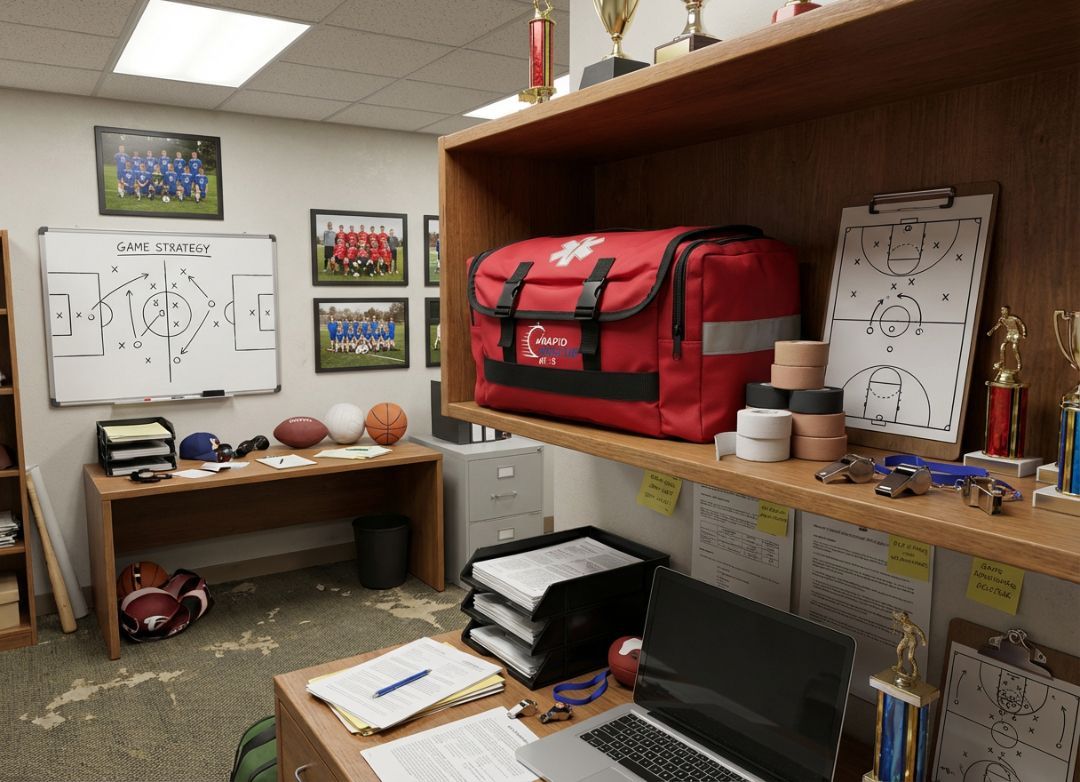
Sports programs involve physical contact, fast movement, and unpredictable injuries. Serious bleeding can occur from collisions, broken equipment, or accidents on the field. Having bleeding control kits near athletic facilities ensures coaches and trainers can act immediately.
Playground and Campus Accidents
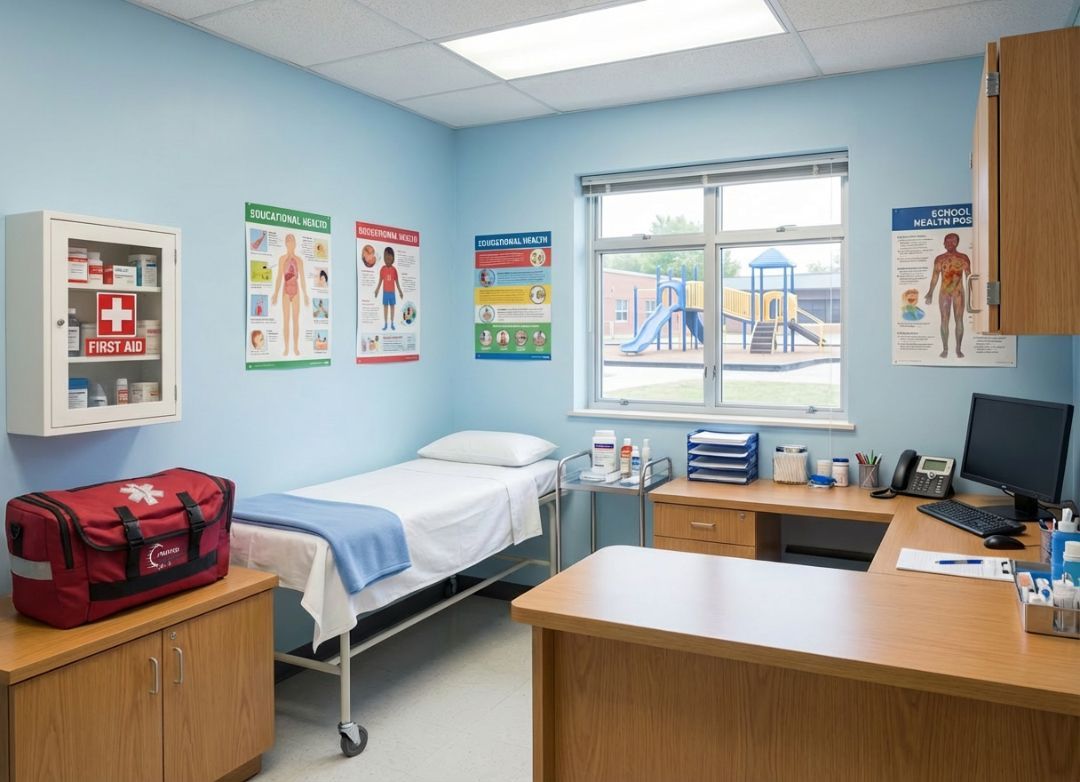
Falls from playground structures, sharp injuries during maintenance work, or unexpected accidents in large outdoor spaces can lead to severe trauma. Bleeding control tools should be accessible beyond just the nurse’s office.
Large Events and Assemblies
Schools host games, performances, graduations, and community gatherings. With large groups present, schools need emergency readiness that extends across campus. A centralized kit locked away is not enough during an urgent situation.
Crisis Preparedness
Modern school safety planning includes emergency response measures for worst-case scenarios. Stop the Bleed kits are increasingly recognized as a key component of comprehensive preparedness plans.

Where Schools Should Place Emergency Response Kits
One of the biggest mistakes schools make is keeping emergency response kits in only one location.
Effective preparedness requires kits to be positioned where injuries are most likely to occur, such as:
- Gymnasiums and athletic fields
- Cafeterias and assembly halls
- Hallways near high-traffic areas
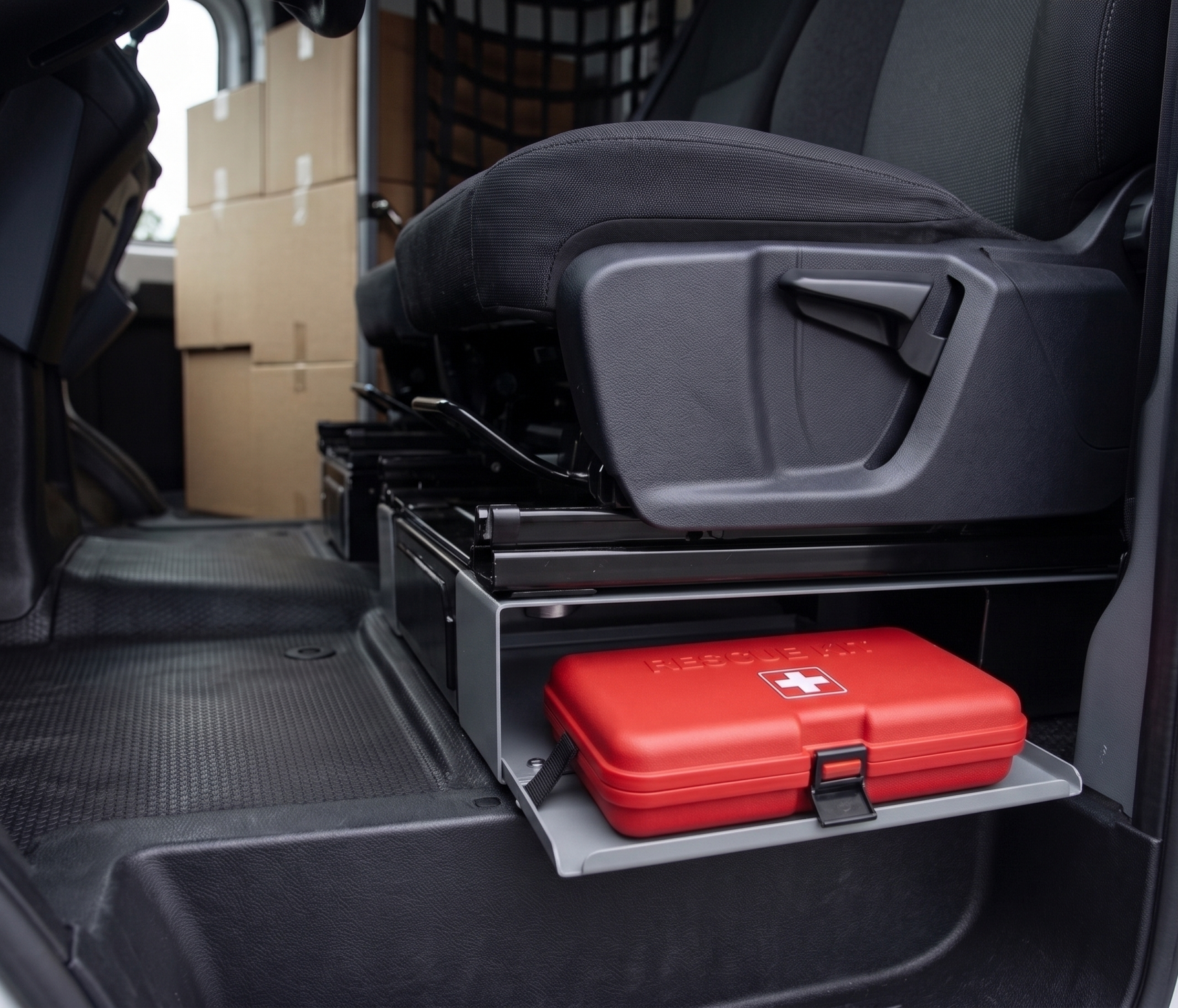
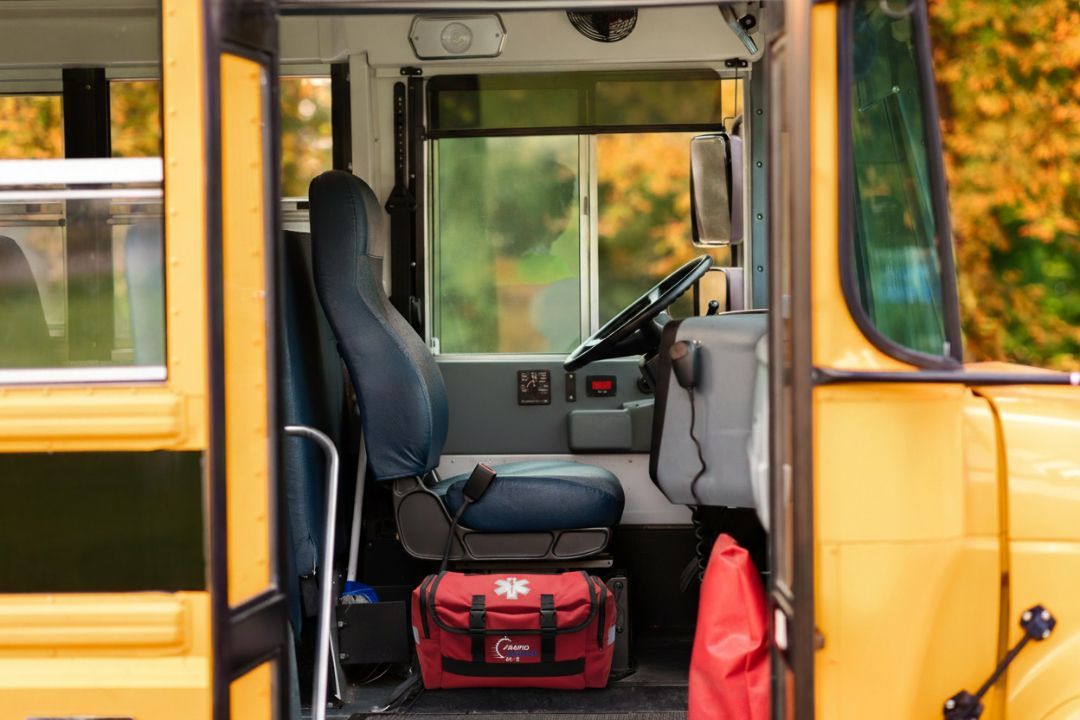
- School buses and transportation offices
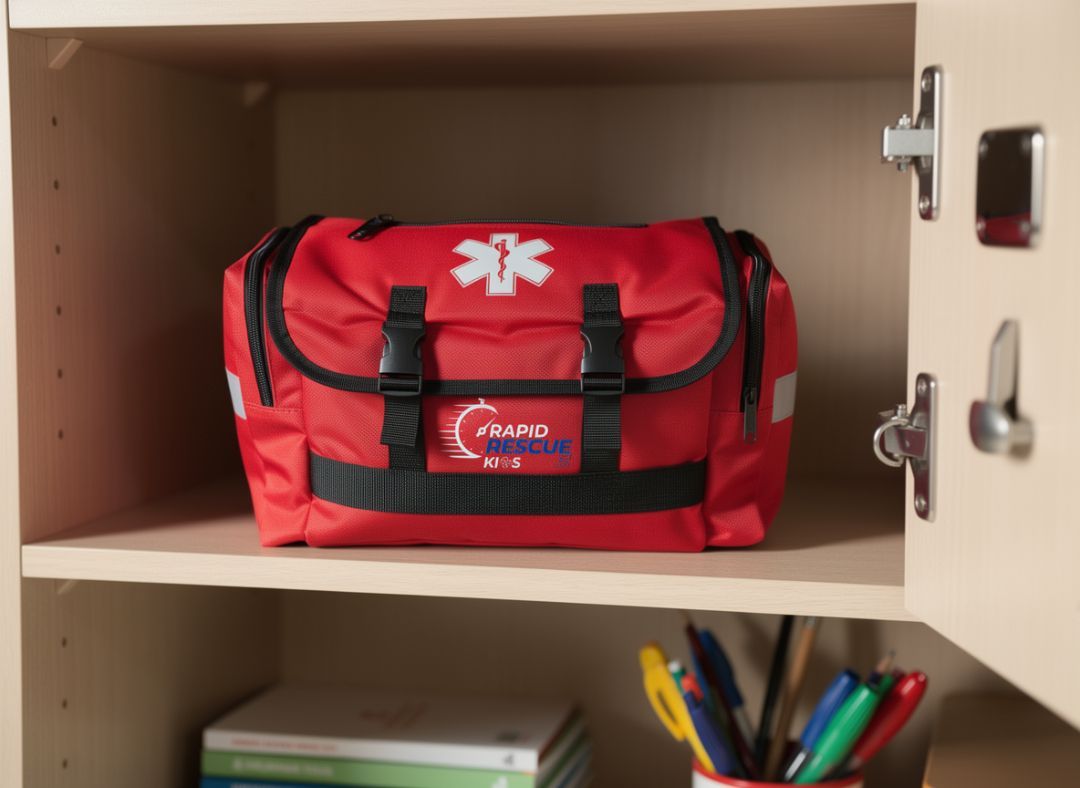
- Front offices and security stations
Accessibility is part of safety. A kit that cannot be reached quickly is far less effective in a real emergency.

Emergency Preparedness Is Now Part of School Safety
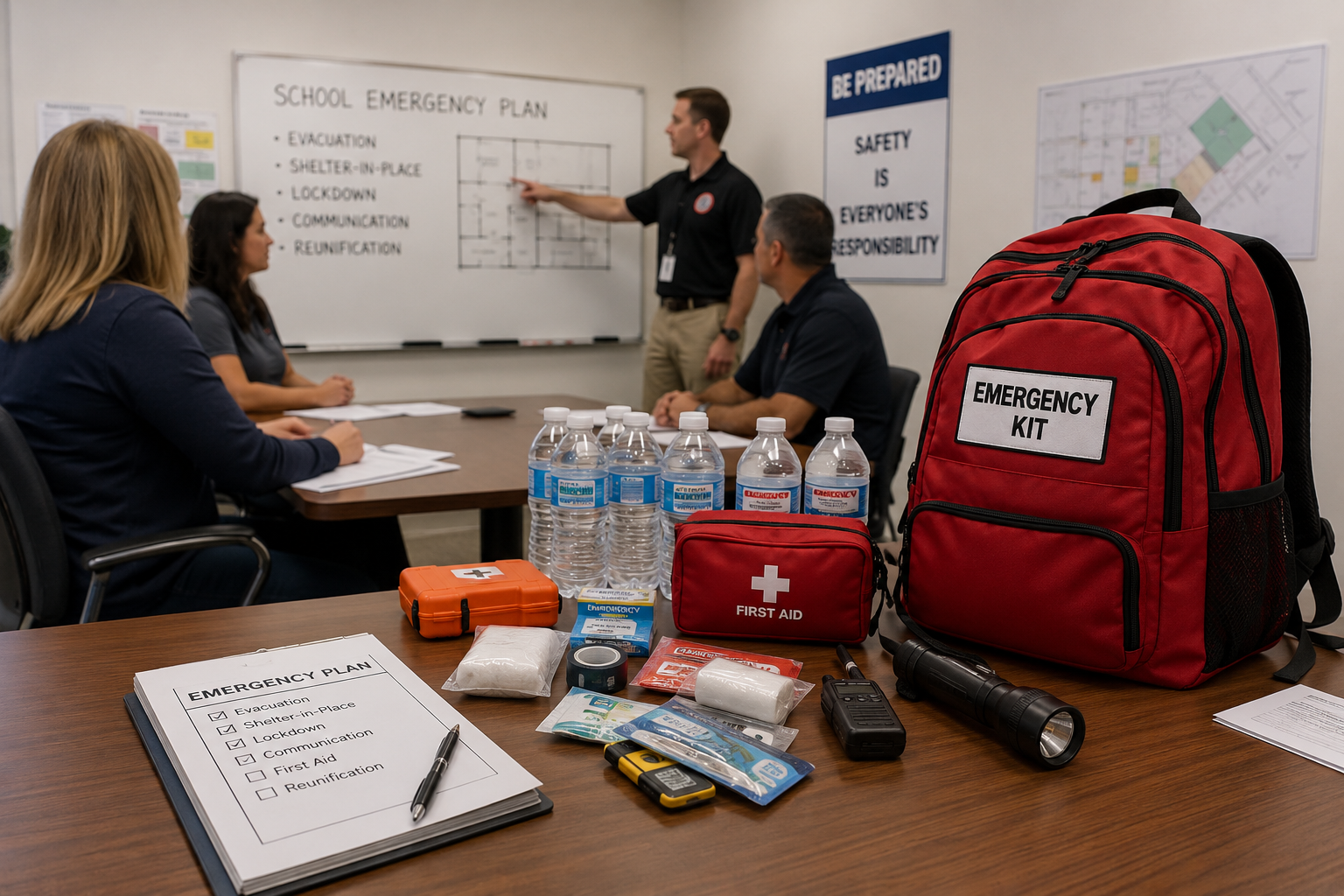
School safety is not only about policies and drills. It is also about having the right tools on-site to respond immediately when a traumatic injury occurs.
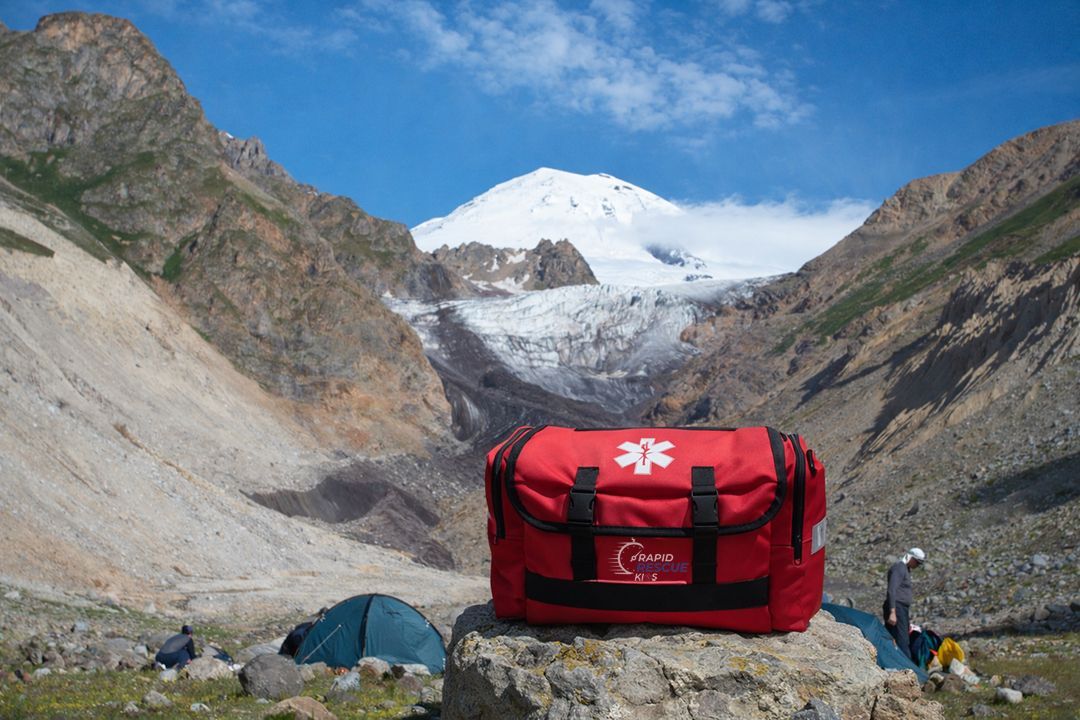
Rapid Rescue Kits provide professional-grade trauma supplies, bleeding control equipment, and CPR readiness designed for fast access in high-stakes emergencies. Equip your campus with an emergency response kit that helps staff act confidently when every second counts.
Contact us and order your Traditional Rapid Rescue Kit, the tools you need to protect and save your students’ lives.
FAQs about Emergency Response Kits
What is an emergency response kit used for in schools?
An emergency response kit helps schools respond to serious injuries such as severe bleeding, fractures, or trauma before EMS arrives. It gives staff access to critical tools when immediate action is necessary to protect lives.
How is an emergency response kit different from a standard first aid kit?
A standard first aid kit is designed for minor injuries like scrapes, small cuts, or burns. An emergency response kit includes trauma-grade supplies such as tourniquets, pressure dressings, and CPR barriers for life-threatening situations.
Where should schools place emergency response kits on campus?
Schools should store kits in high-traffic, high-risk areas like gyms, playgrounds, cafeterias, buses, and main offices. Quick accessibility ensures faster response during emergencies when seconds matter most.
Should every school have more than one emergency response kit?
Yes, schools should have multiple kits placed in different areas so critical supplies are never far away during an emergency. Having only one centralized kit can delay response time when immediate action is needed.
Do teachers and staff need training to use these kits effectively?
Basic emergency response or bleeding control training is strongly recommended to build confidence and speed in real situations. Even simple guidance helps school staff act more effectively until professional help arrives.