The Outdoor First-Aid Loadout When Hiking in High-Risk Regions

Rapid Rescue Kit • December 23, 2025

The Outdoor First-Aid Loadout When Hiking in High-Risk Regions


High-risk hiking regions such as the Rockies, Sierra Nevada, Pacific Northwest, and Southwest deserts, demand more than a basic first-aid kit. Terrain shifts fast. The weather swings harder. Rescue times run longer. An outdoor first-aid loadout helps you stabilize injuries and manage conditions until help arrives, even on crowded, remote, or unpredictable trails.


A proper first-aid loadout is compact, durable, and deliberate. It supports the injuries that actually happen outdoors: falls, cuts, sprains, heat illness, and bleeding from rock or gear impacts. The goal is simple, to stay in control long enough to reach safety.


Build a Reliable First-Aid Kit


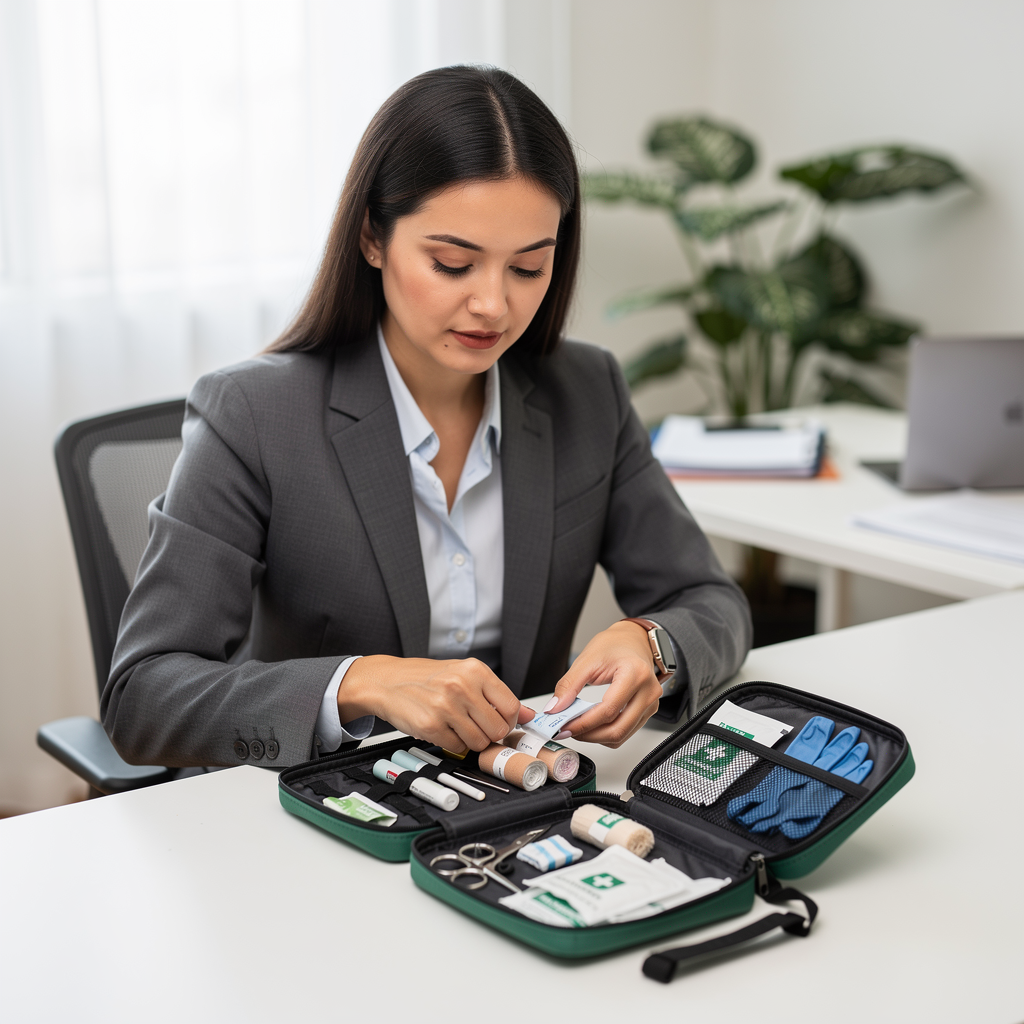
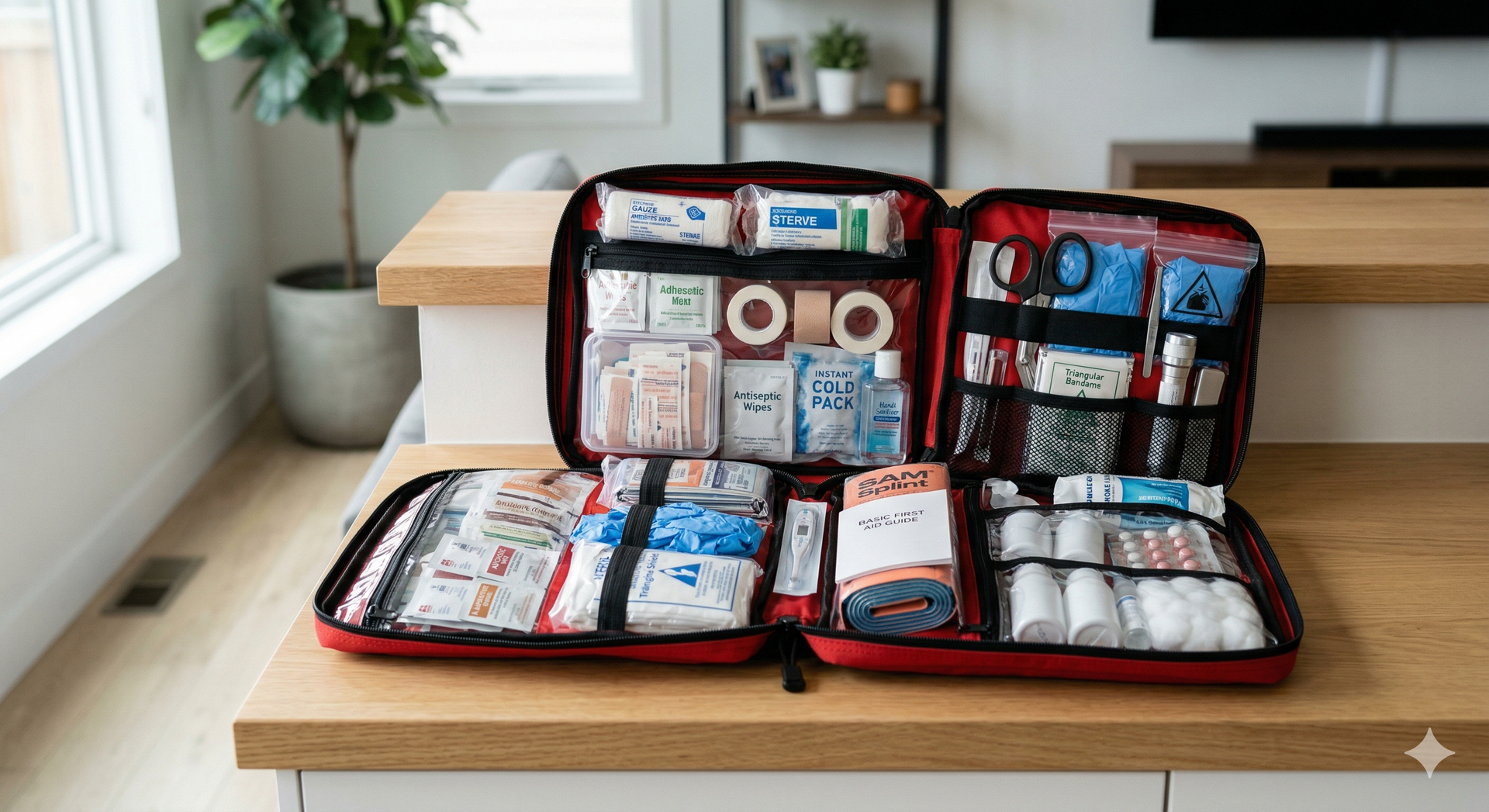
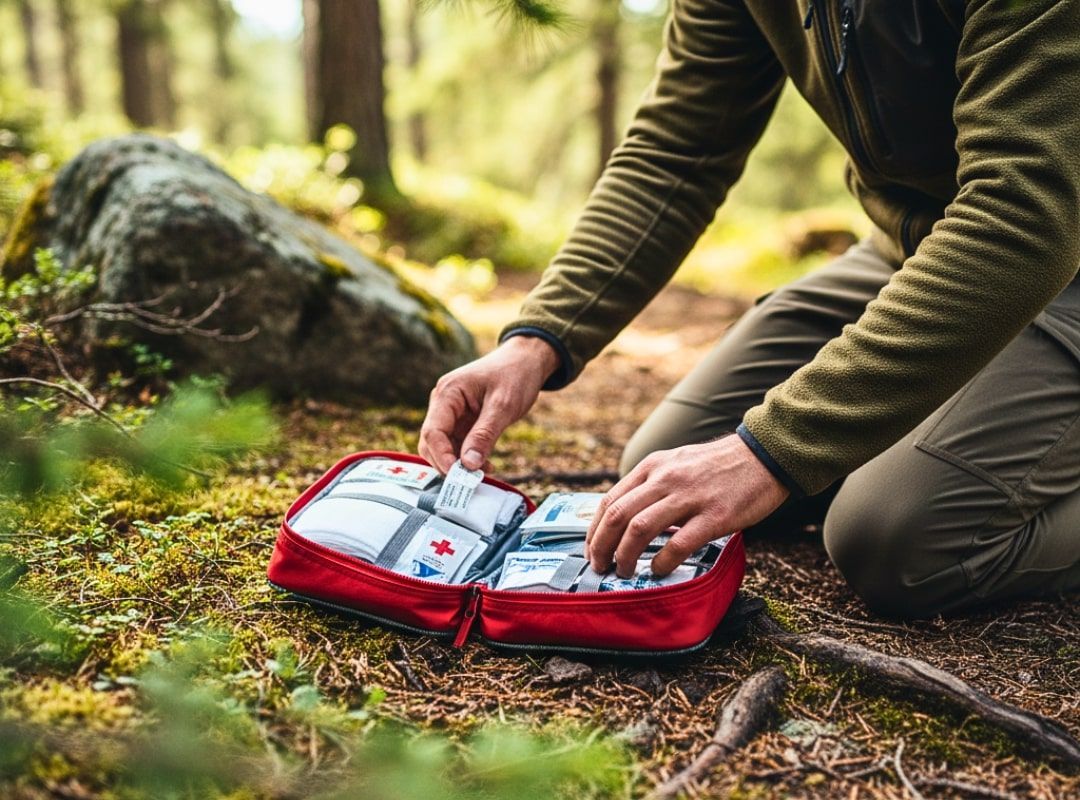
Your first-aid kit should be compact, weatherproof, and packed for quick access. Include items you can deploy in seconds: bandages, gauze, antiseptic wipes, blister care, tape, and tweezers. Store them near the top of your pack so you can treat minor injuries without unpacking layers.


Rescue delays on wilderness trails often stretch beyond an hour. Your base kit should handle common injuries well enough to keep you moving or help you wait safely.


lightweight trauma care

Carry Trauma Tools That Work Under Pressure


Remote injuries often involve more than scrapes. A fall into rocks, a trekking-pole puncture, or a sharp branch can create serious bleeding that a simple bandage can’t control.


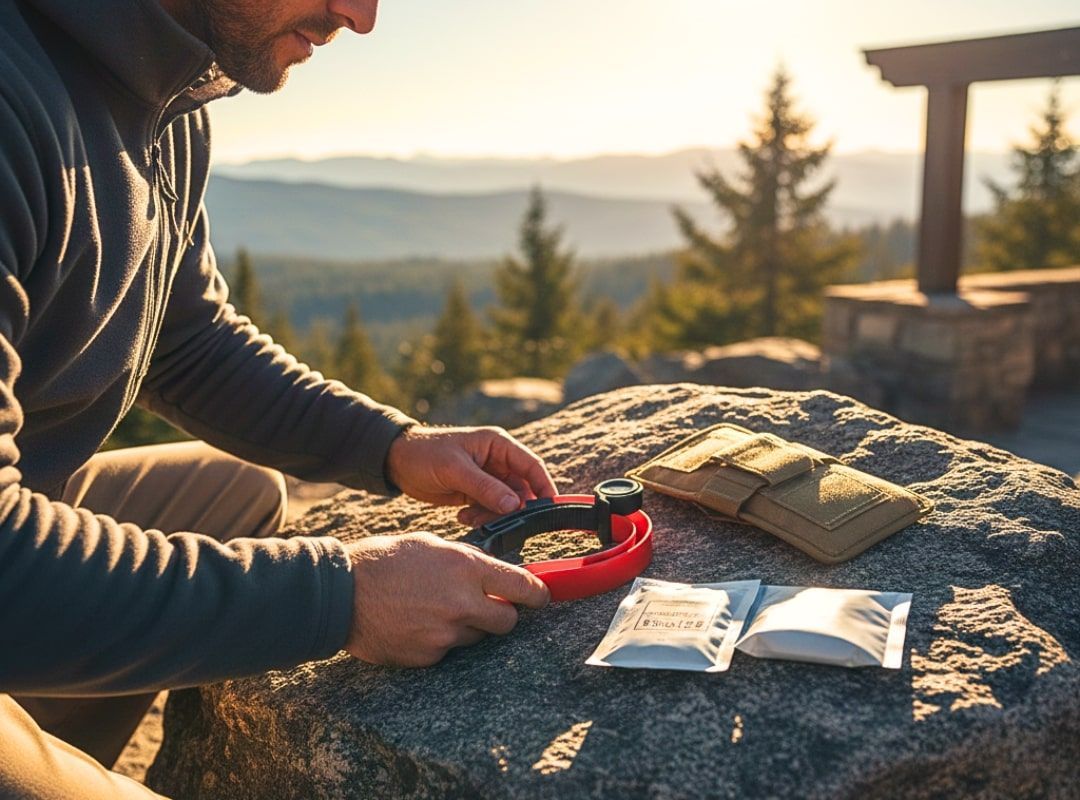
Lightweight trauma gear, like a tourniquet, pressure bandage, and hemostatic gauze fits easily into any pack. These tools buy time in places with weak cell service or steep access routes where responders must hike in. They weigh almost nothing yet make the biggest difference in severe injuries.


Match Your Loadout to Your Region


Different environments demand different priorities. Regional adjustments keep your loadout useful rather than generic.


  • Desert regions (Arizona, Utah): Heat and dehydration escalate fast. Pack electrolyte tablets, a compact emergency blanket, and tools to help cool someone while waiting for help.
  • Mountain regions (Colorado, Idaho, Montana): Altitude creates fatigue, dizziness, and nausea. Hydration tools and simple anti-nausea medication support hikers struggling with elevation changes.


Pacific Northwest: Rain and cold raise the risk of exposure and slips. Keep your kit sealed in waterproof packaging and pack a lightweight insulating layer.

Add Small Repair Tools to Prevent Bigger Problems


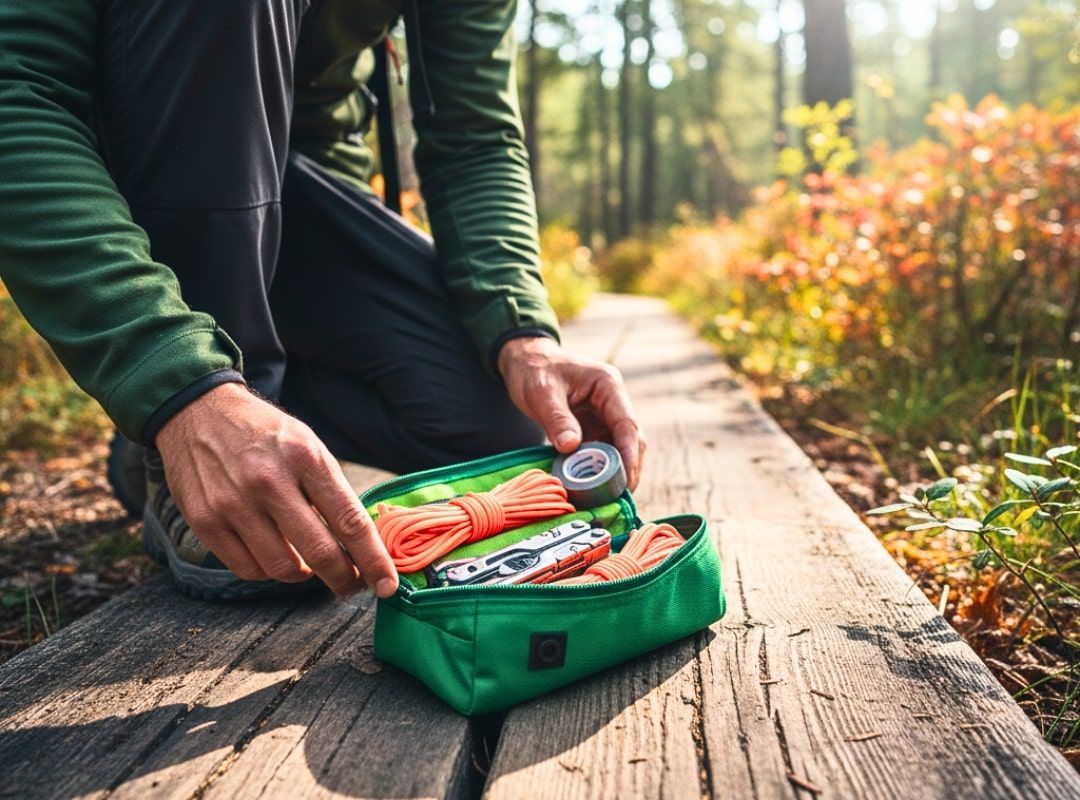
Many backcountry injuries start with equipment failure. A torn pack strap or damaged boot can alter your balance and increase fall risk. A small repair pouch with duct tape, cordage, and a multi-tool fixes most issues before they turn into emergencies. 

This is especially important in remote regions like Wyoming and Idaho where trails stretch for miles between access points.


Practice With Your Gear Before You Need It

Your kit works best when you know how to use it. Practice opening your pouch, applying tape, packing gauze, and placing a tourniquet. Try using items with one hand. These short sessions help you act quickly under stress.


Hikers who practice even once at home respond faster and with more confidence on the trail.

compact first aid kit for outdoors

Lightweight Additions That Boost Safety


Small items can dramatically improve your trail readiness include:


  • Emergency blanket
  • Whistle
  • Backup headlamp
  • Water purification tablets or a compact filter


Each weighs very little but improves outdoor safety when visibility drops, delays occur, or water sources run dry.


Let Your Loadout Reflect Your Trail and Group


Your setup should match your hiking style, region, and group needs. Parents hiking with kids, solo hikers tackling remote ridges, and backpackers moving through variable weather will all carry slightly different kits. That’s the point! A smart loadout should match where you are and who you’re responsible for.


Prepared hikers move with more confidence, and that confidence comes from carrying gear that works.


If you want a ready-made outdoor setup designed for real trail conditions, Rapid Rescue Kits offers lightweight outdoor first-aid and trauma gear built for mountains, deserts, and national parks. Many hikers start with a compact kit and add trauma tools as their trips become more demanding.

first aid kit to prevent trail injuries

FAQs for Hikers Building a First-Aid Loadout

  • How heavy should my first-aid loadout be?

    Most hikers keep basic care between 6–12 ounces and trauma gear between 4–6 ounces. Weight matters, but reliability matters more.


  • Do I really need a tourniquet for hiking?

    If you hike rocky terrain, scramble, climb, or explore remote trails with slow rescue times, yes. A tourniquet is small, fast, and proven to save lives.


  • What’s the most common injury hikers face?

    Blisters top the list, followed by ankle sprains, cuts, dehydration, and falls. Your base kit should cover these five with ease.


  • How often should I check or replace items in my kit?

    Inspect your loadout before every major hike. Replace used or expired items immediately. Outdoor gear degrades faster due to heat, moisture, and friction.


  • Should my loadout change for solo hiking?

    Yes. Solo hikers need stronger signaling tools, more reliable bleeding control gear, and a repair kit that prevents small gear issues from forcing evacuation.


emergency kit for families
December 11, 2025
Build a 2026-ready family emergency plan for your home, car, and when going outdoor. Choose the right first-aid and trauma kits for real-life parent scenarios.
What Type of Rescue Kit Does Your Workplace Actually Need?
By Rapid Rescue Kit October 30, 2025
Find out what type of rescue kit your workplace needs. Learn how to choose the right OSHA-compliant kit to keep your team safe and prepared.
How to Choose the Best Rescue Kit for Outdoor Adventures and Trave
By Rapid Rescue Kit October 30, 2025
Stay safe anywhere. Learn how to choose the best rescue kit for outdoor adventures and travel with expert tips from Rapid Rescue Kits.
From Home to Highway: Why You Need More Than One Rescue Kit
By Rapid Rescue Kit October 30, 2025
Be ready anywhere. Learn why you need both a home and highway rescue kit to stay safe during power outages, breakdowns, or evacuations.
How Long Will the Supplies in Your Rescue Kit Last?
By Rapid Rescue Kit October 30, 2025
Learn how long rescue kit supplies last, when to replace them, and how to keep your emergency gear ready with expert tips from Rapid Rescue Kits.
Every Second Counts: Why Coaches, Gyms, and Sports Teams Need Advanced Emergency Kit
By Rapid Rescue Kit August 27, 2025
Be ready when every second matters. Learn why coaches, gyms, and sports teams trust Rapid Rescue Kits for life-saving emergency response.
Industrial First Aid Kits: CPR & AED Emergency Supplies for Manufacturing Companies
By Rapid Rescue Kit August 26, 2025
Industrial first aid kits with CPR & AED supplies for manufacturing. Stay OSHA compliant and protect workers with Rapid Rescue Kits.
First Aid Kits for Construction Companies: CPR & AED Safety Equipment On-Site
By Rapid Rescue Kit August 26, 2025
OSHA-compliant first aid kits with CPR masks & AED support for construction sites. Stay prepared with Rapid Rescue Kits’ durable solutions.
Utility Company First Aid Kits: On-Site CPR & AED Safety Solutions for Workers
By Rapid Rescue Kit August 26, 2025
Utility company first aid kits with CPR & AED keep workers safe on-site. Learn OSHA-compliant solutions for fast, effective emergency response.
Why a Rescue Kit Belongs in Every Home
By Rapid Rescue Kit August 7, 2025
Be ready for everyday emergencies. Discover why a rescue kit from Rapid Rescue Kits is essential for every home. Safety starts with preparation.
Show More