Key Differences of Trauma Kit vs First Aid Kit
When you hear the words first aid kit, you picture a small box tucked under the sink or stored in the trunk of a car. It feels like a standard household item, something you hope you never need, but keep around “just in case.”
But in a real emergency involving severe bleeding, broken bones, or life-threatening trauma, a basic first aid kit may not be enough.
That’s where many begin asking an important question:
What is the real difference between a trauma kit and a first aid kit, and which one should you have on hand?
The answer matters more than most realize, because these two kits are designed for very different situations. Understanding that difference can make all the impact when seconds count and help hasn’t arrived yet.

Trauma Kit vs First Aid Kit: Key Differences at a Glance
The simplest way to think about it is this:
A first aid kit helps you manage minor injuries, and focuses on convenience and everyday care.
A trauma kit helps you respond when someone’s life is at risk, focuses on immediate intervention and survival during critical moments.
Both are valuable, but they are not interchangeable.
Understanding the Purpose of a First Aid Kit
A first aid kit is built for everyday, low-risk injuries. It’s meant to help you handle common situations such as:
- Minor cuts and scrapes
- Burns and blisters
- Small wounds
- Mild sprains
- Headaches or allergic reactions
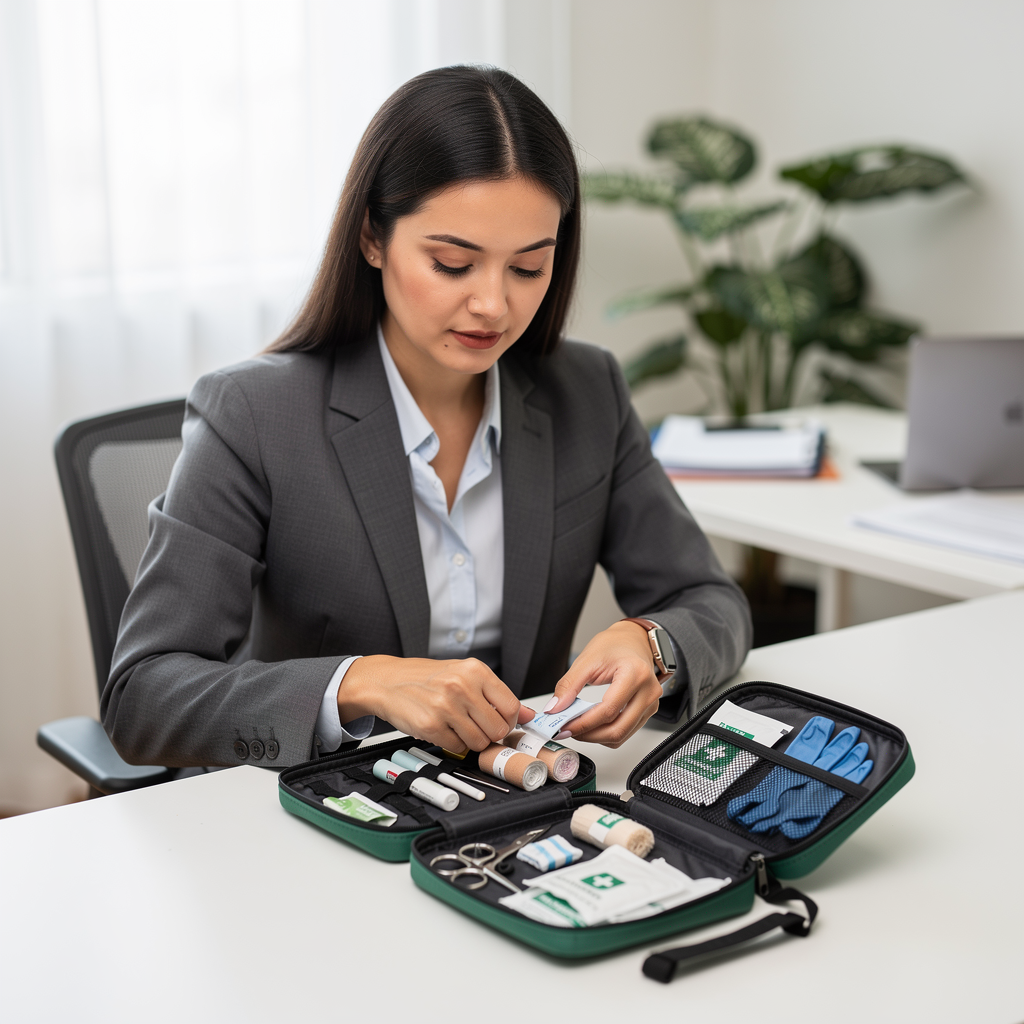
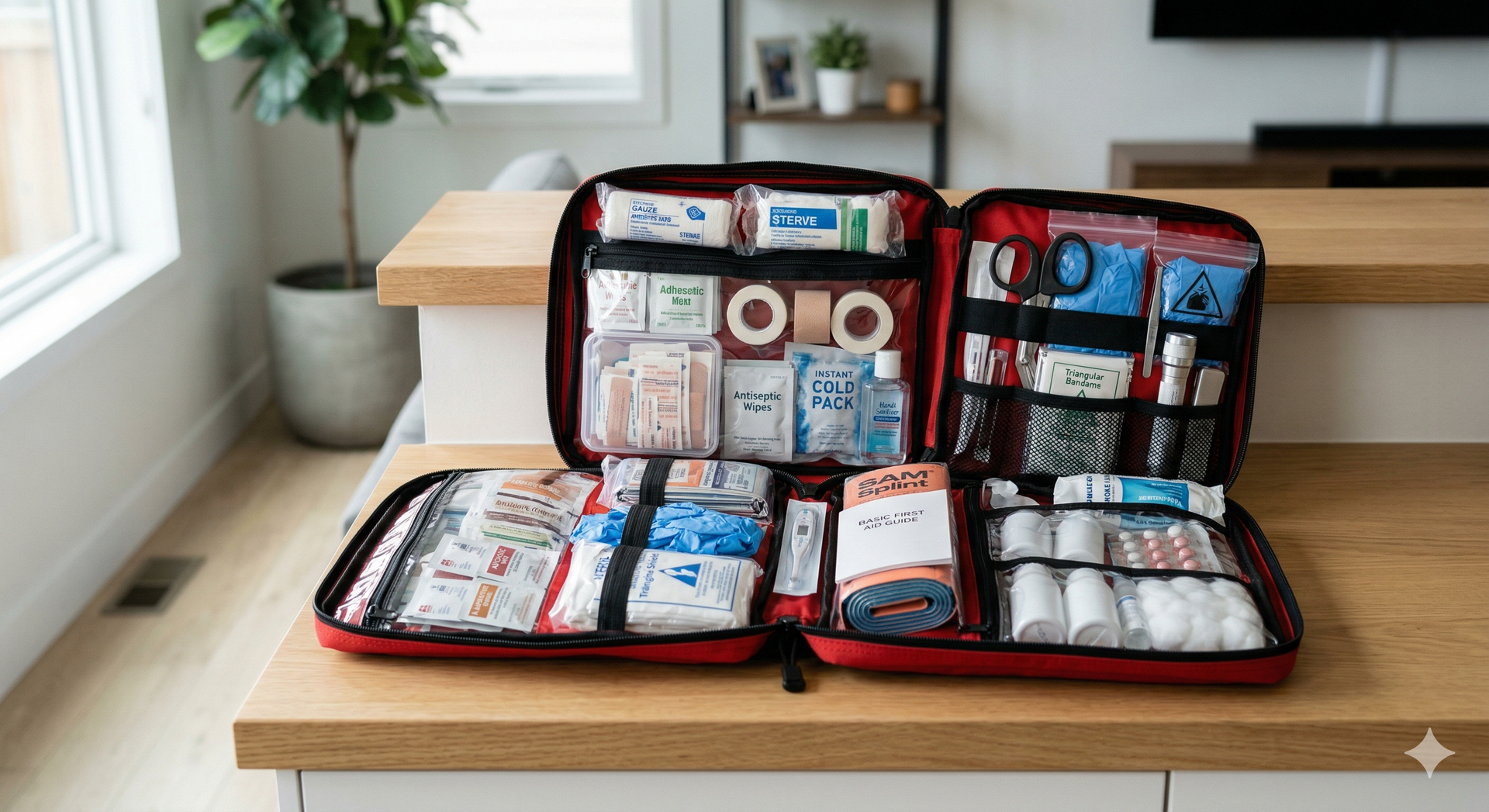
Most traditional first aid kits contain basic supplies like bandages, antiseptic wipes, gauze pads, tweezers, and over-the-counter medications.
In other words, first aid kits are intended for comfort, cleanliness, and minor wound care. They are incredibly useful for routine incidents at home, on hikes, or in workplaces where the most likely injuries are small and manageable.
However, first aid kits are not built to control major trauma, because their contents are limited by design.
What Makes a Trauma Kit Different?
A trauma kit is designed for situations that are immediately life-threatening to buy time until EMS arrives.
This includes emergencies such as:
- Severe bleeding
- Deep lacerations
- Penetrating injuries
- Major fractures
- Crush injuries
- Cardiac or respiratory emergencies where CPR support is needed
The goal of a trauma kit is not simply to “treat” a wound. It is to keep someone alive long enough for professional medical care to arrive. That distinction is critical.
Trauma kits typically include advanced tools such as:
- Tourniquets for catastrophic bleeding
- Pressure dressings for rapid wound control
- Splints for immobilizing serious injuries
- CPR masks or airway barriers
- Emergency trauma gauze
- Medical-grade supplies organized for fast access
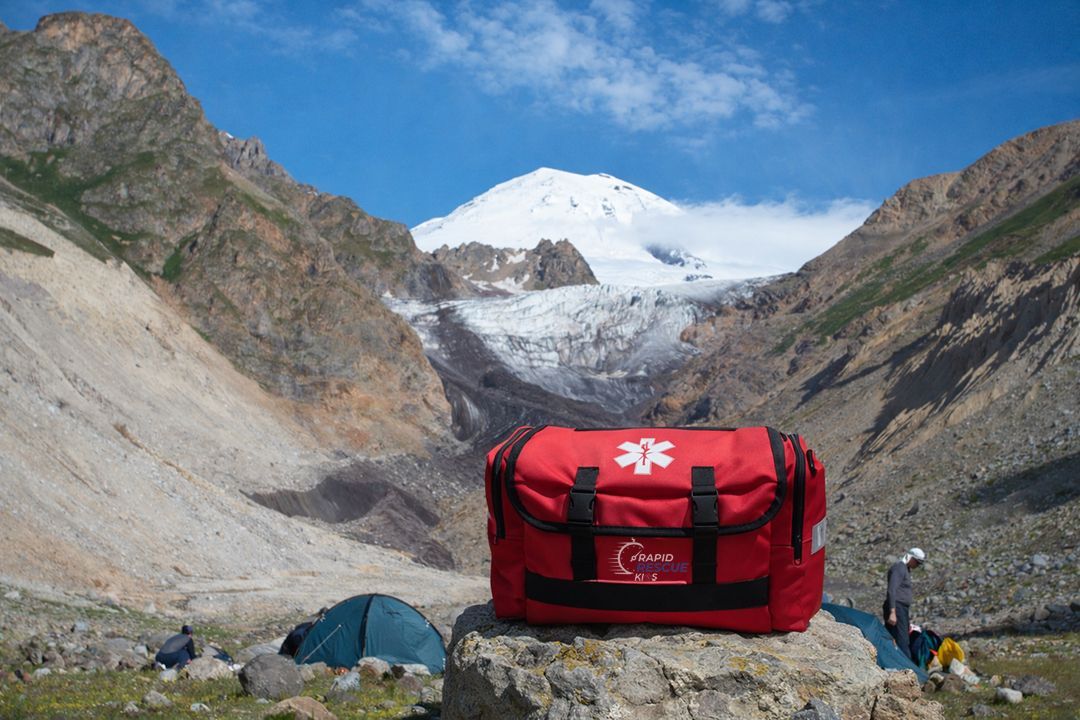
Rapid Rescue Kits are specifically designed to meet these high-stakes moments, combining trauma readiness with CPR support in a professional-grade format.
Why a First Aid Kit May Not Be Enough in Serious Emergencies
Many assume that a well-stocked first aid kit covers all emergencies. The problem is that traumatic injuries require different tools and a different response window.
A bandage is helpful for a scraped knee. But it won’t stop life-threatening bleeding from an arterial injury.
Antiseptic wipes are useful for cleaning a small cut. But they won’t stabilize someone in shock after a workplace accident.
Trauma situations progress fast, and without the right supplies, even a prepared bystander may not be able to intervene effectively.
That’s why trauma kits are becoming essential not only for first responders, but also for workplaces, schools, gyms, job sites, and households.

Situations Where a Trauma Kit is Essential
Trauma kits are not only for extreme environments. In reality, some of the most common trauma emergencies happen in everyday places.
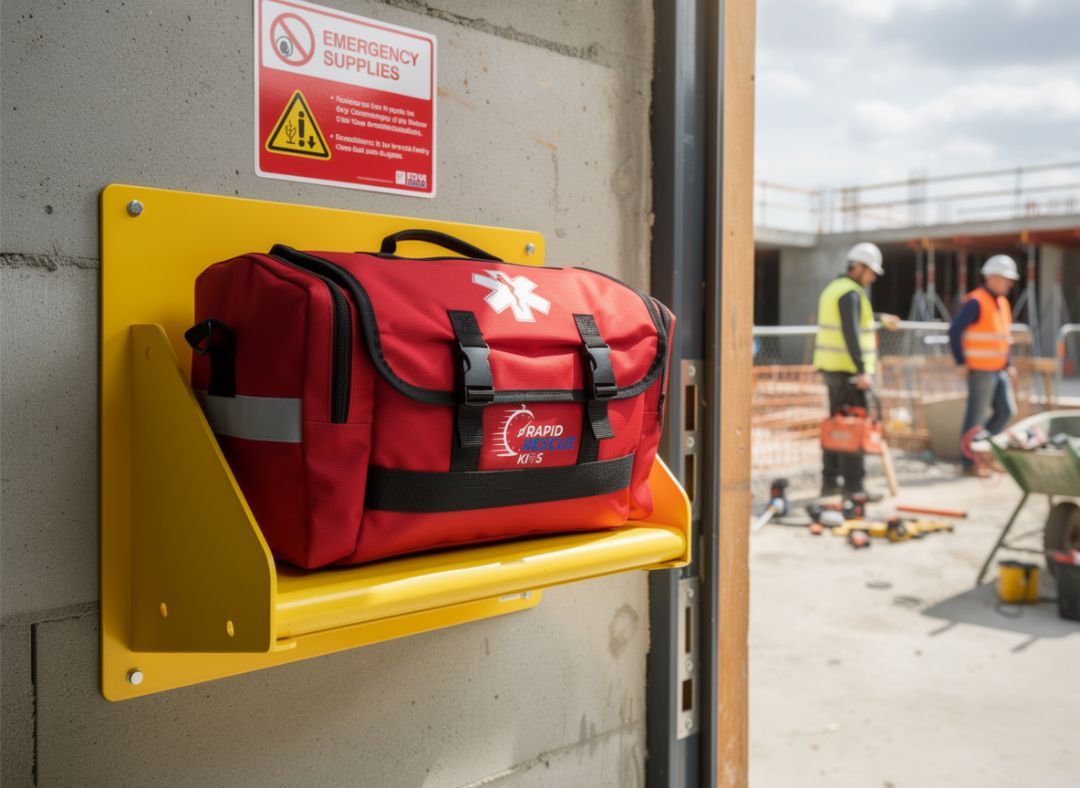
Worksites and Industrial Settings
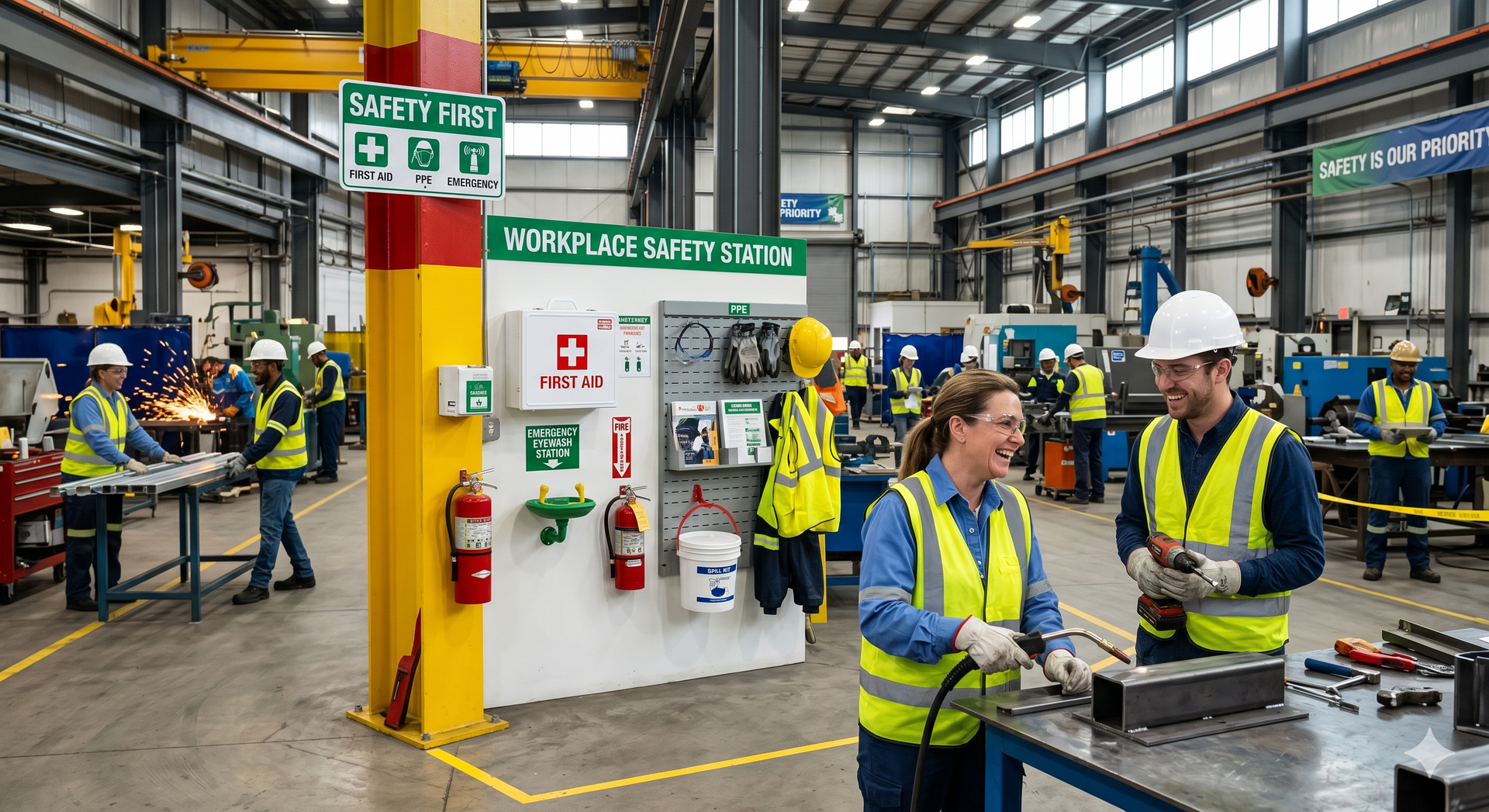
Construction zones, warehouses, and manufacturing plants face higher risks of:
- Falls
- Heavy equipment injuries
- Crushing incidents
- Severe bleeding
For safety managers, having trauma-level preparedness isn’t optional, it’s a responsibility.
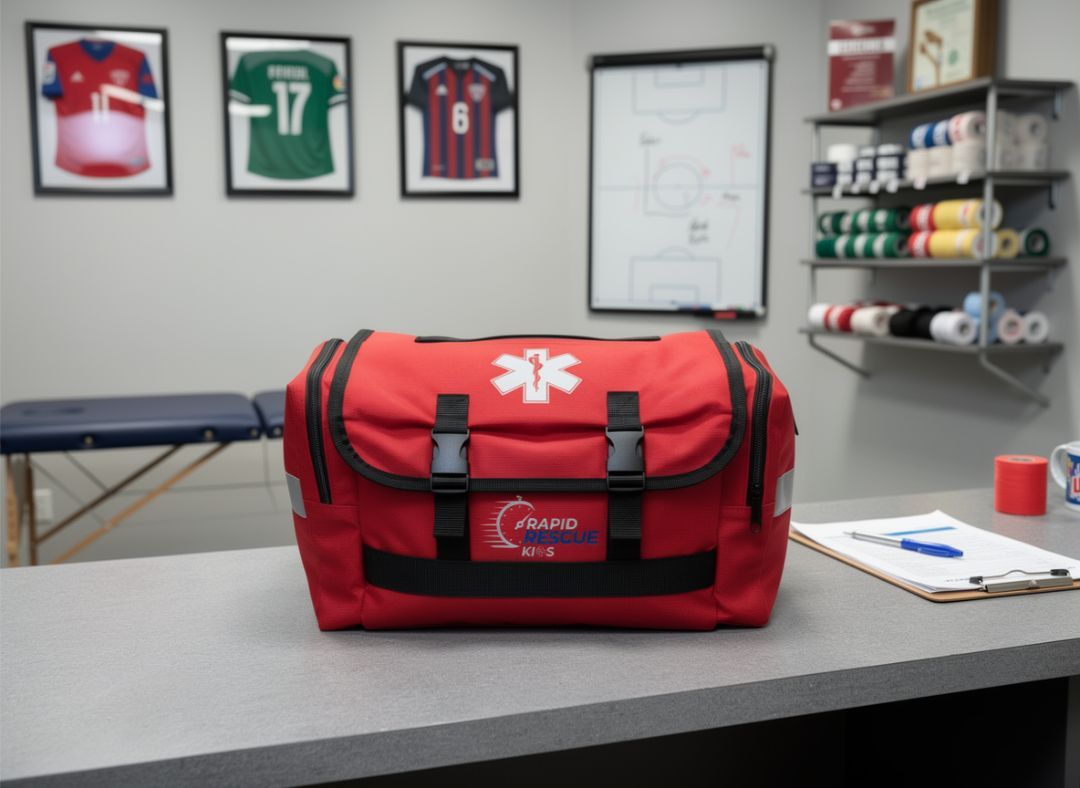
Athletic Facilities and Sports Teams
Coaches and trainers may face emergencies like:
- Sudden cardiac events
- Head injuries
- Severe fractures
- Bleeding accidents
A trauma kit paired with CPR readiness provides the ability to act immediately.
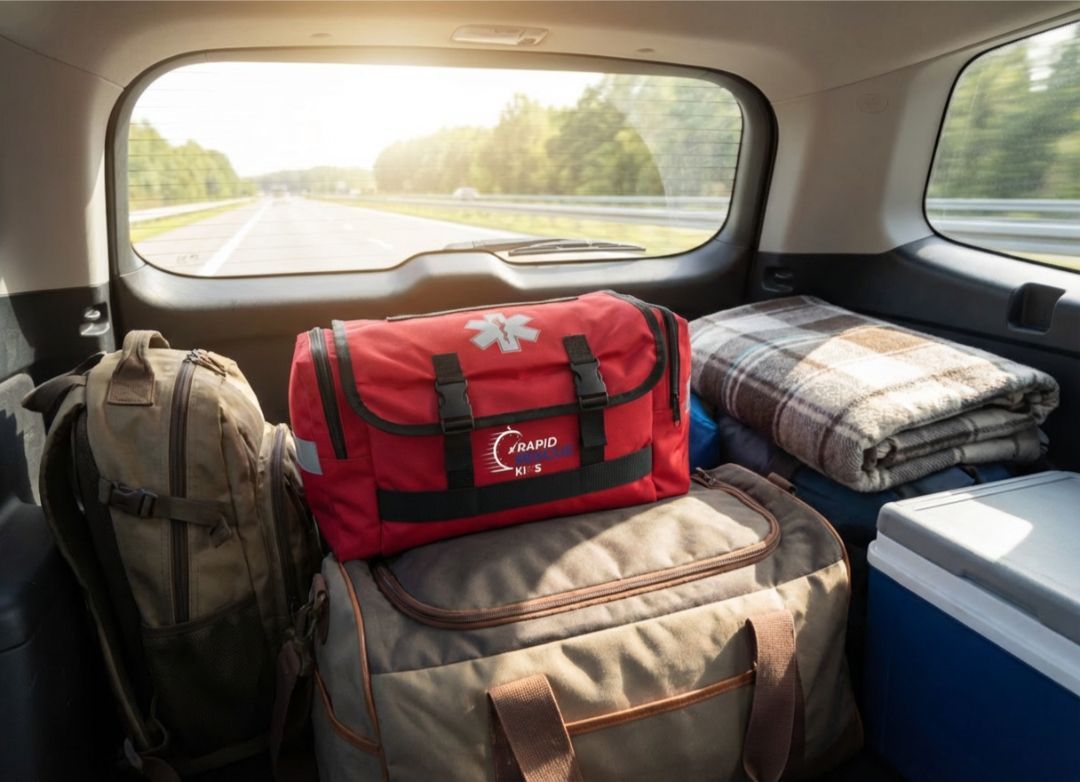
Vehicles and Travel Readiness
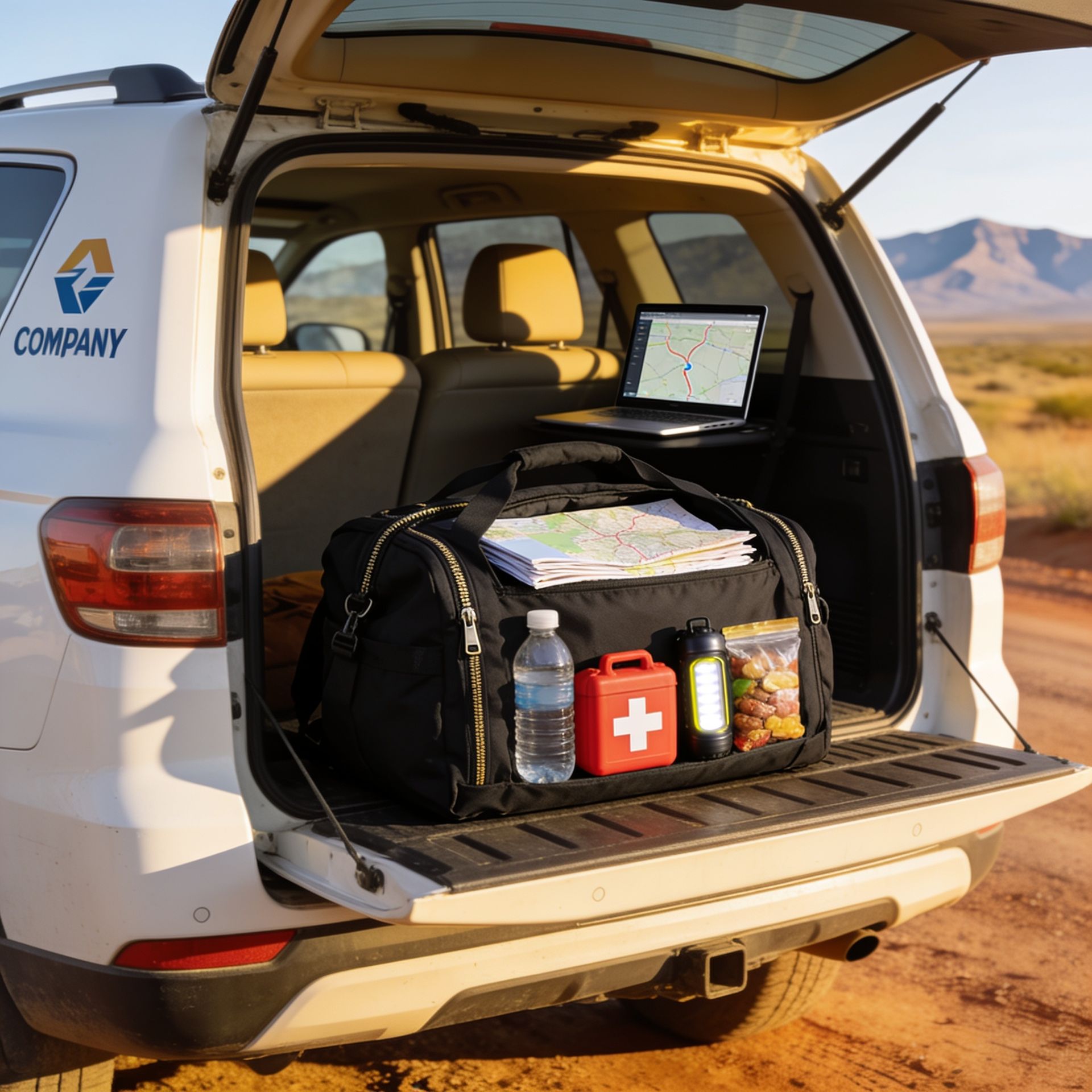
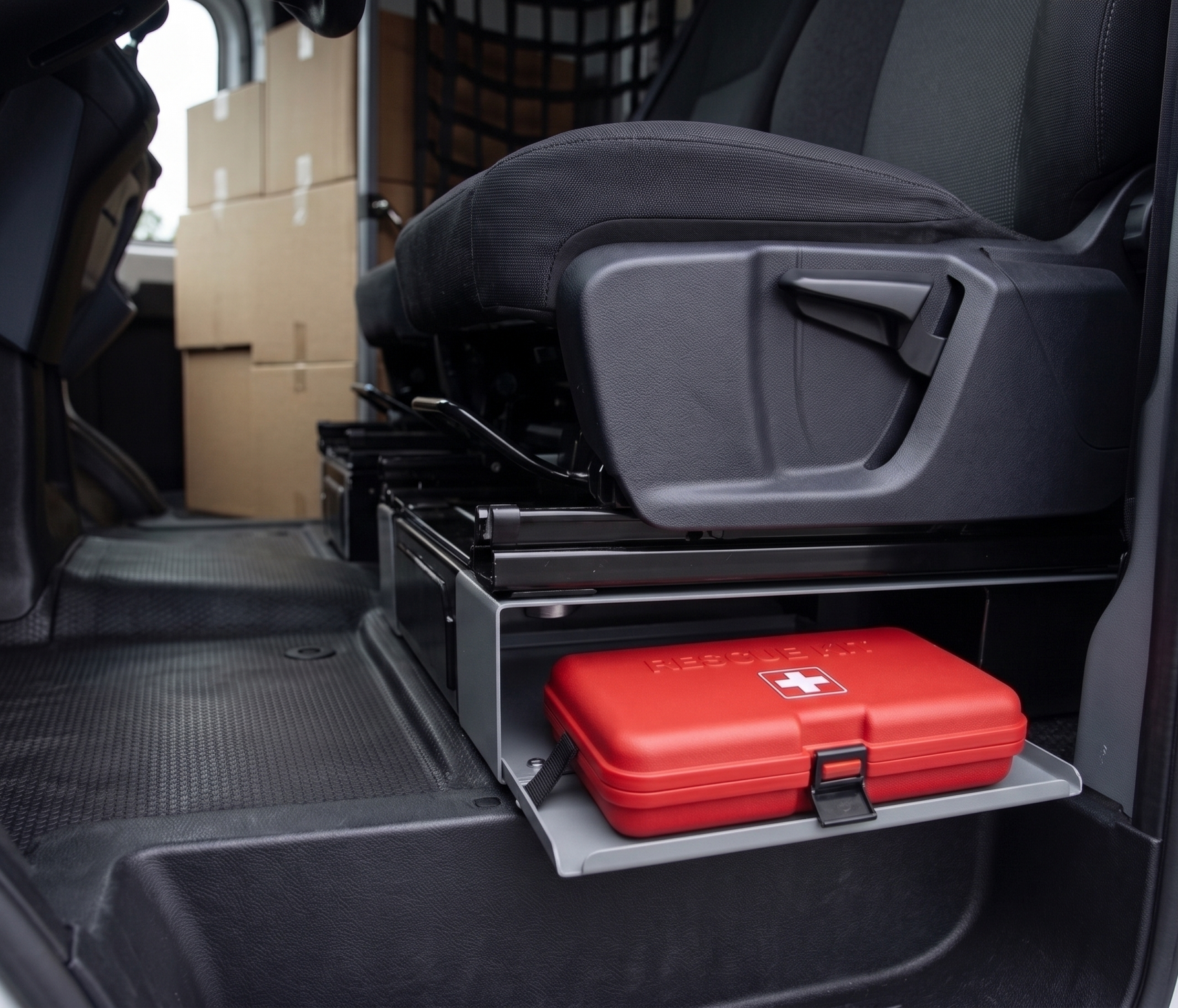
Car accidents and roadside emergencies happen without warning. A compact trauma kit in a vehicle can make the difference before EMS arrives.
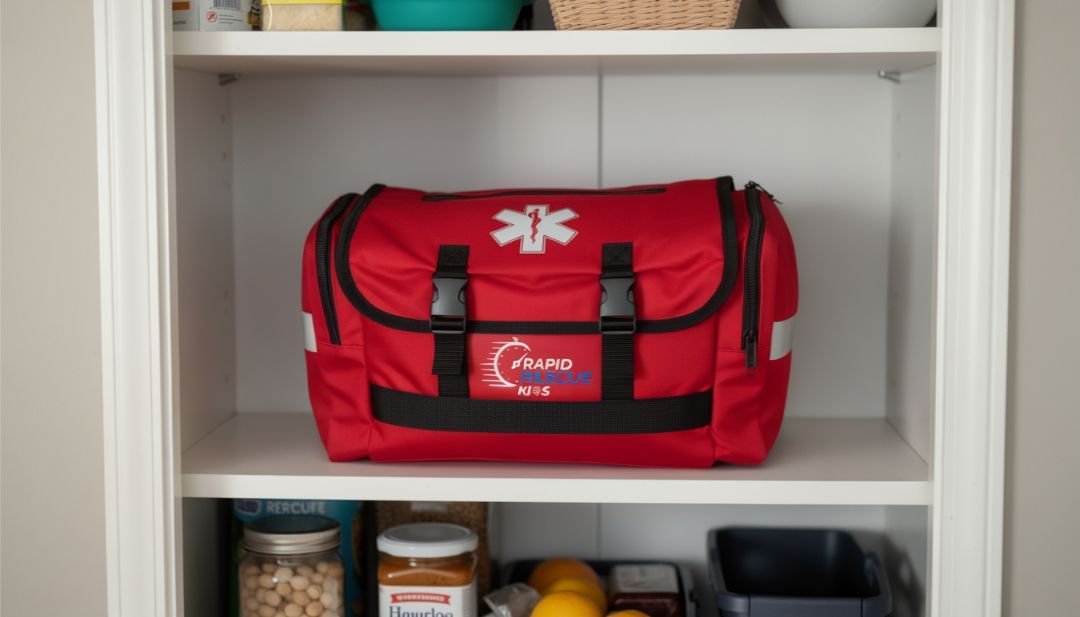
Home Preparedness
Families often underestimate how quickly severe injuries can occur at home, from tools, accidents, or unexpected disasters.
A trauma kit provides peace of mind beyond standard household first aid.

Do You Need Both Trauma and First Aid Kits?
The best approach is having both types of kits available. A first aid kit is excellent for daily needs. A trauma kit is essential for the worst-case scenario.
Workplaces, gyms, schools, and households benefit from layered preparedness, because emergencies don’t arrive in categories. What matters is being equipped for whatever happens.
Rapid Rescue Kits are designed to bridge that gap by offering a ready-to-go emergency solution that includes trauma response tools alongside CPR support, all organized for quick access when every second matters.
Choosing the Right Kit for Your Environment
To decide what you need, consider:
- How far are you from emergency services?
- Are you responsible for others (employees, athletes, children)?
- Do you work or travel in high-risk environments?
- Would you know what to do in the first 3 minutes of an emergency?
A standard first aid kit covers small problems. A trauma kit prepares you for the moments you can’t afford to be unprepared for.

Be Ready for the Emergency You Never Expect
In a true emergency, the question isn’t whether you had bandages. The question is whether you had the right tools to respond immediately.
Emergencies don’t wait for perfect conditions, and the right kit can make all the difference in those critical first moments.
If you want a professional-grade kit designed for rapid response, trauma preparedness, and CPR support, Rapid Rescue Kits provide a comprehensive solution built for real-world emergencies.
Explore Rapid Rescue Kits today and equip your home, workplace, team, or vehicle with a trauma-ready emergency kit designed for fast access, real preparedness, and lifesaving action.
FAQs About Trauma and First Aid Kits
What is the main difference between a trauma kit and a first aid kit?
A first aid kit is meant for minor injuries like cuts, burns, or scrapes, while a trauma kit is designed for life-threatening emergencies. Trauma kits include advanced tools like tourniquets and pressure dressings for severe bleeding control.
Should every home have a trauma kit?
Yes, serious injuries can happen unexpectedly at home, and trauma kits provide an added level of preparedness. Having one ensures you can respond quickly while waiting for emergency services.
Are trauma kits only for professionals?
No, trauma kits are increasingly recommended for workplaces, schools, families, and travelers. Many kits, including Rapid Rescue Kits, are designed to be organized and user-friendly for everyday people.
Can a trauma kit replace a first aid kit?
A trauma kit is essential for severe emergencies, but it may not contain the smaller items needed for everyday minor injuries. Most people benefit from having both kits available.