
Emergency Kit Checklist: What You Need to Be Prepared
What Should Be in an
Emergency Kit?
An effective emergency kit should include essential supplies that allow you to respond quickly to injuries, unexpected events, and short-term survival situations. At a minimum, every emergency kit should contain first aid supplies, protective gear, basic tools, and items that support communication and safety.
The exact contents will vary depending on your environment—whether it’s a workplace, vehicle, or home—but the goal is always the same: be prepared to act immediately when something goes wrong.

Why a Complete Emergency Kit Matters
Many people assume a basic first aid kit is enough, but emergencies often require more than bandages and antiseptic wipes. Delays in response, lack of proper tools, or missing supplies can quickly escalate a situation.
A well-prepared emergency kit helps:
- Reduce response time during critical moments
- Minimize the severity of injuries
- Improve safety outcomes in workplaces and public spaces
- Provide peace of mind in unpredictable situations
Preparedness is not just about having supplies—it’s about having the right supplies.
Essential First Aid Supplies Every Kit Needs
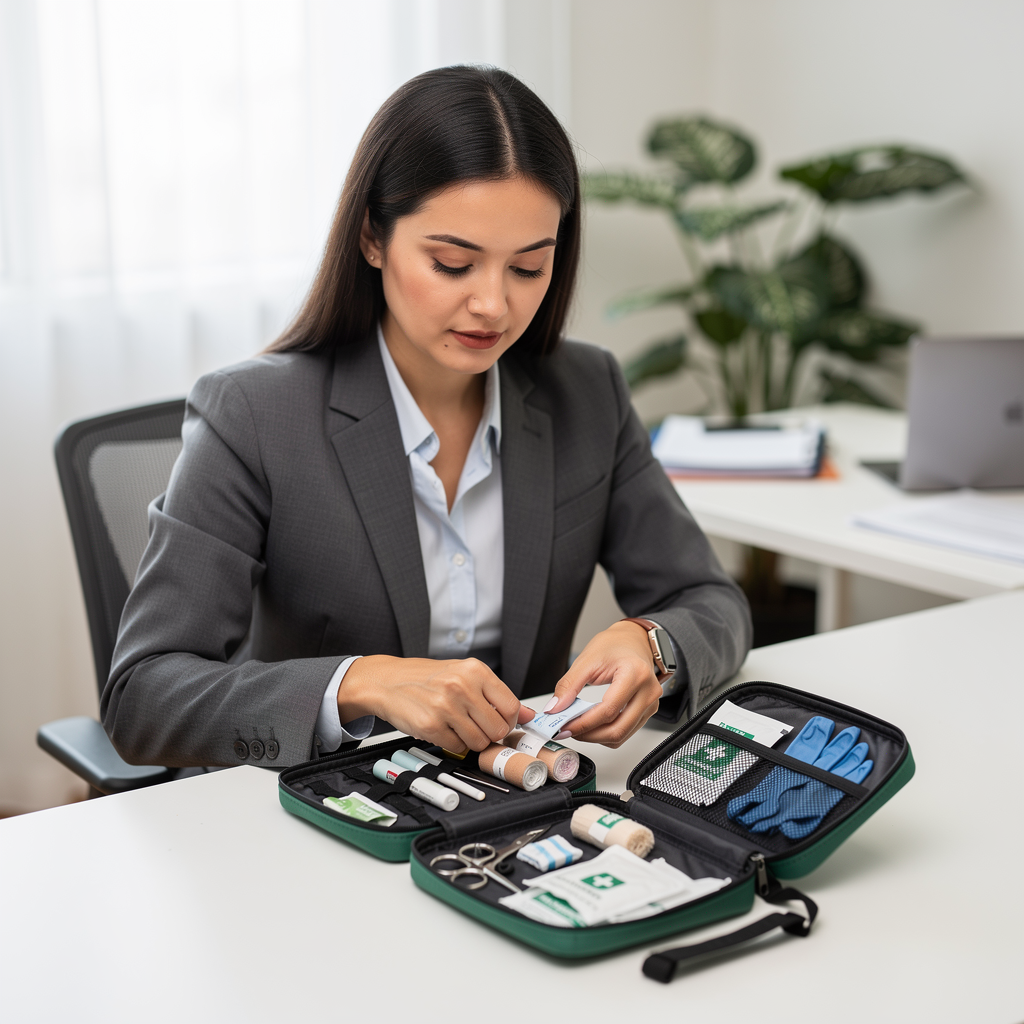
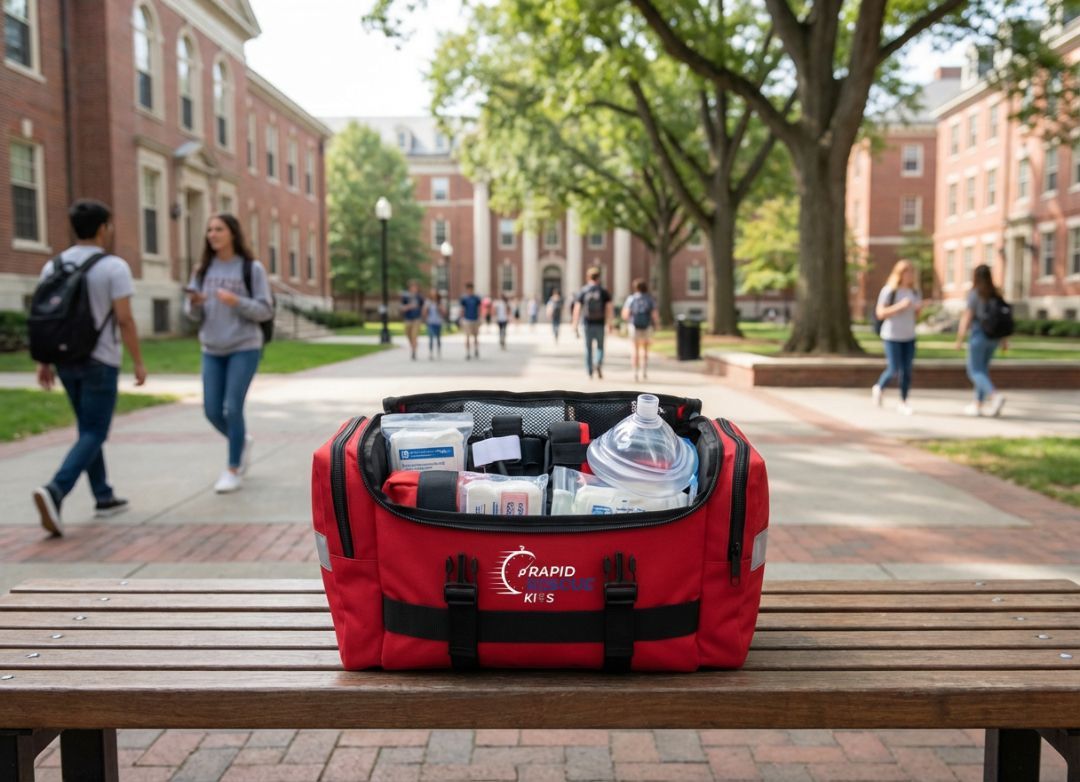
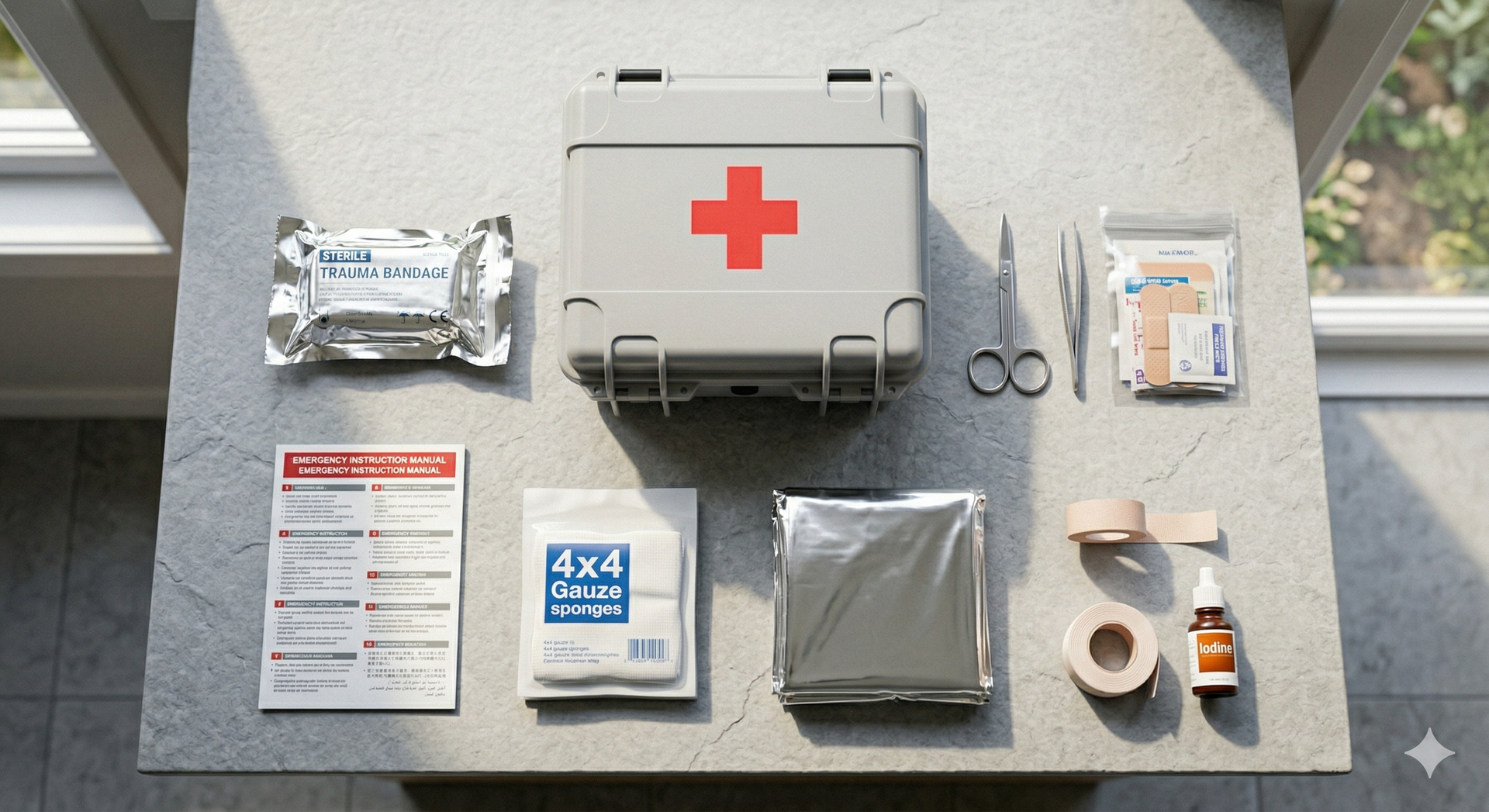
Every emergency kit should start with a strong foundation of first aid essentials. These items are designed to address common injuries and stabilize situations until further help is available.
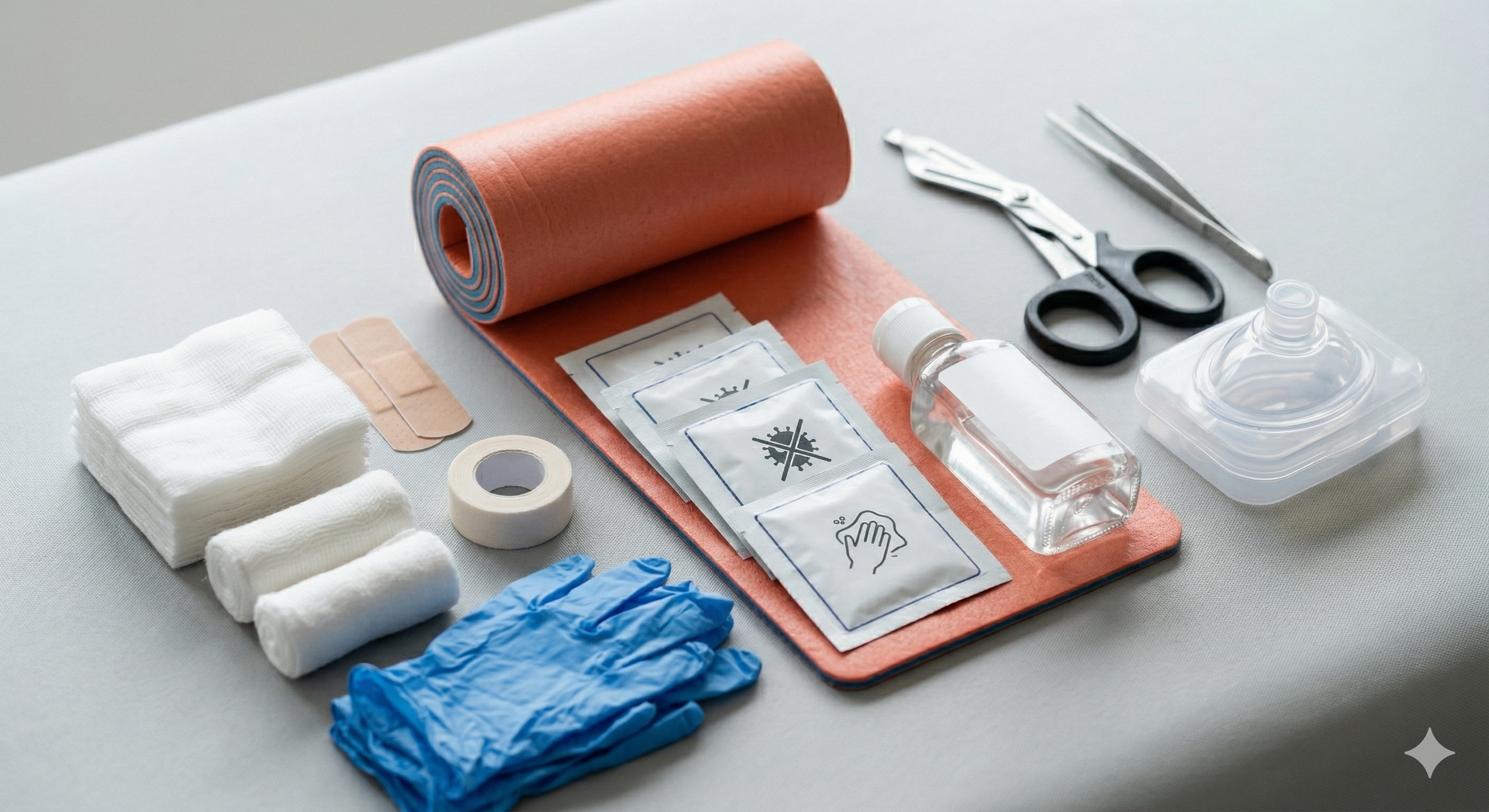
Core first aid supplies include:
- Adhesive bandages (various sizes)
- Sterile gauze pads and rolls
- Medical adhesive tape
- Antiseptic wipes or solution
- Antibiotic ointment
- Disposable gloves (non-latex preferred)
- Scissors and tweezers
- CPR mask or face shield
- Instant cold packs
- Burn treatment supplies
These items form the baseline for treating cuts, burns, and minor injuries.

Advanced Emergency Supplies for
Serious Situations
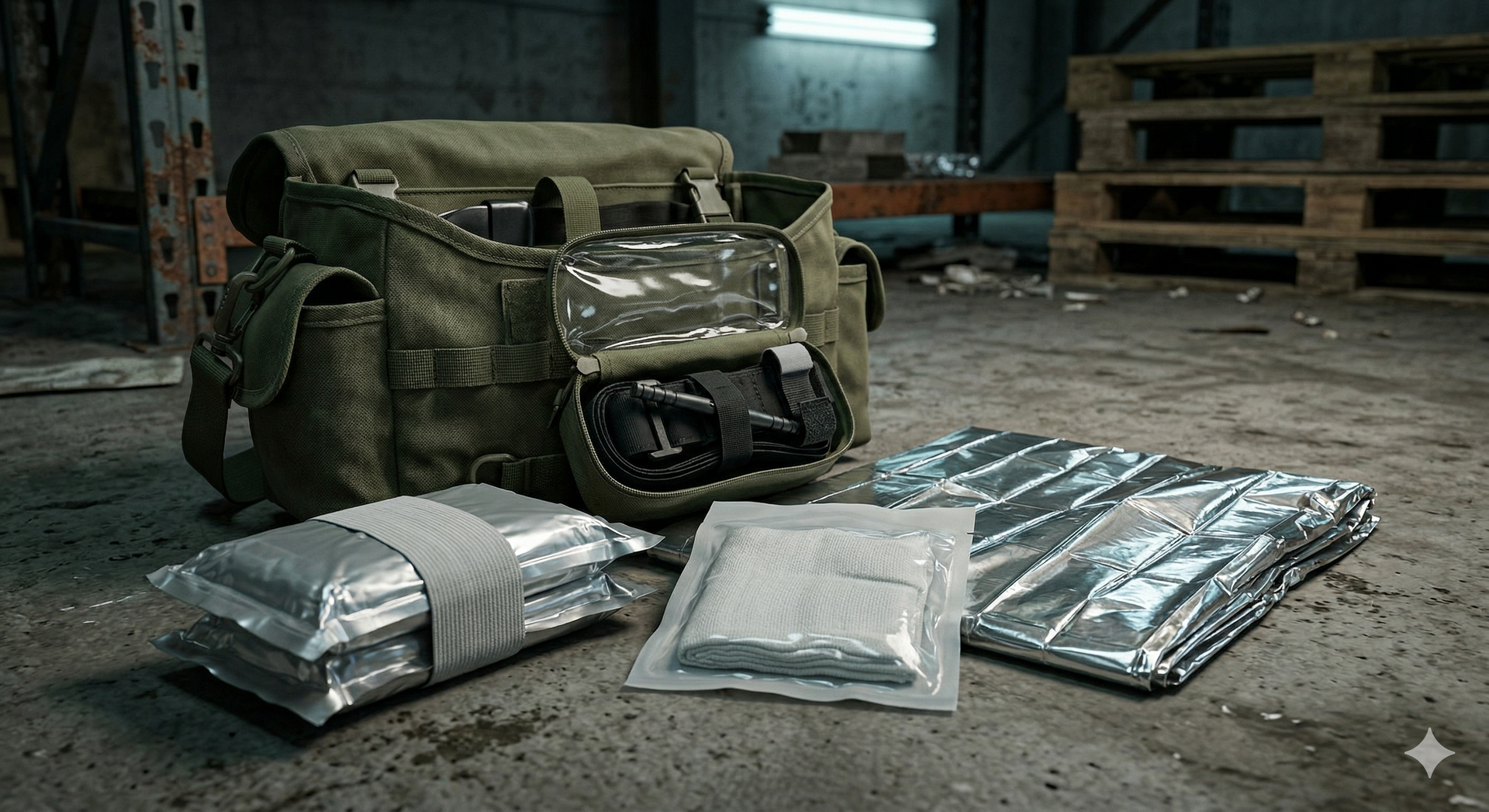
For higher-risk environments or more comprehensive preparedness, additional supplies are critical. These tools are designed to address more severe injuries and emergency scenarios.
Advanced emergency kit items include:
- Tourniquet for severe bleeding control
- Trauma dressings or compression bandages
- Hemostatic agents to stop bleeding quickly
- Emergency blankets for shock or temperature control
- Splints for fractures or stabilization
- Eye wash solution
These additions are especially important for workplaces, construction sites, and environments where serious injuries are possible.
Safety and Protection Items
Emergency kits should also include items that protect both the responder and the injured individual. Safety equipment helps reduce exposure to hazards and allows for safer intervention.
Important safety items include:
- Protective gloves
- Safety goggles
- Face masks or barriers
- Hand sanitizer
These items are often overlooked but play a critical role in maintaining safe conditions during an emergency response.

Tools and Utility Items for
Emergency Situations
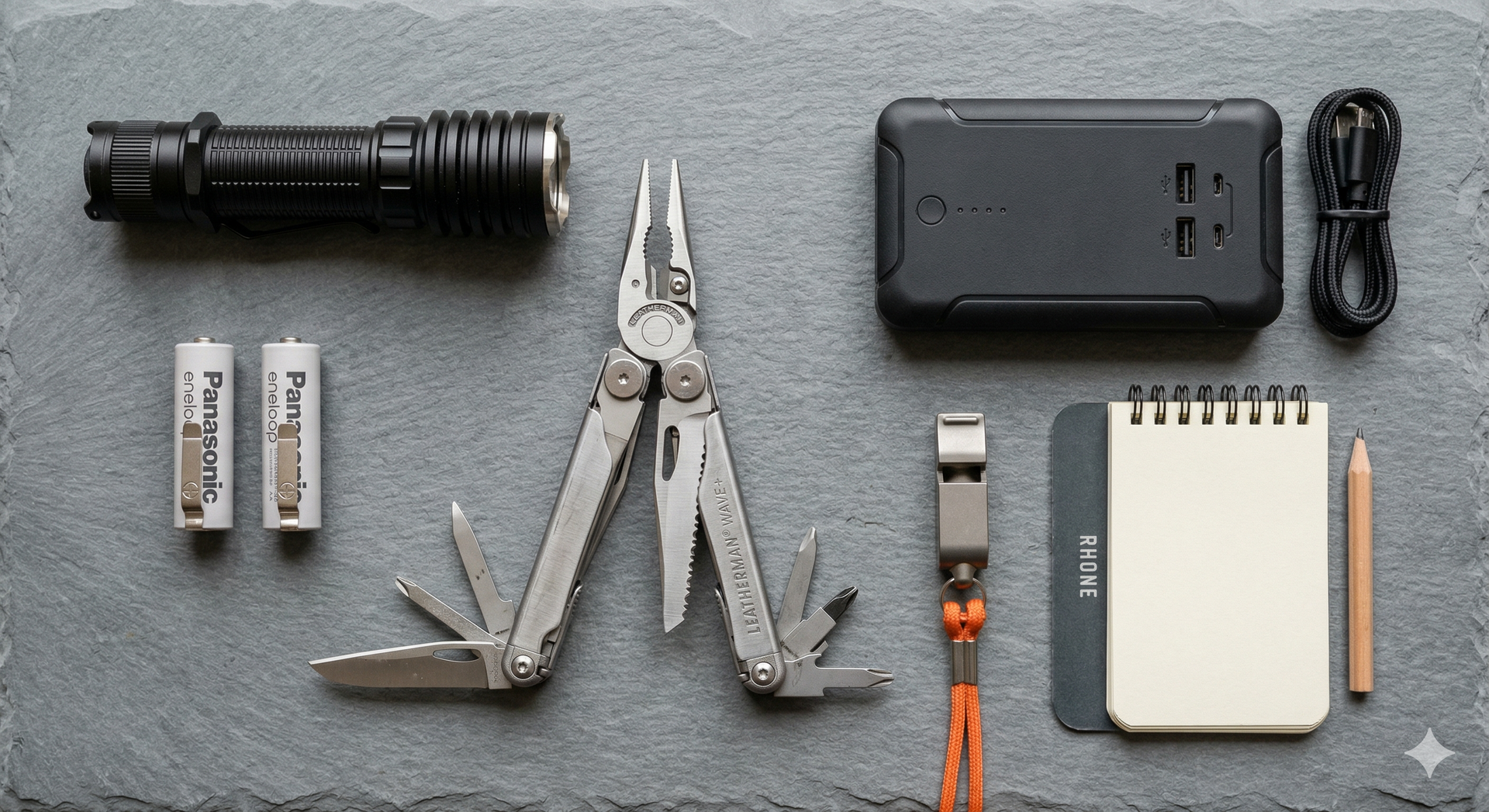
Beyond medical supplies, practical tools can make a significant difference in how effectively you respond to an emergency.
Recommended tools include:
- Battery powered flashlight with extra batteries
- Multi-tool or basic utility tool
- Emergency whistle
- Notepad and pen
- Portable phone charger
These items help with visibility, communication, and coordination during emergencies.
Emergency Kits for Different Environments
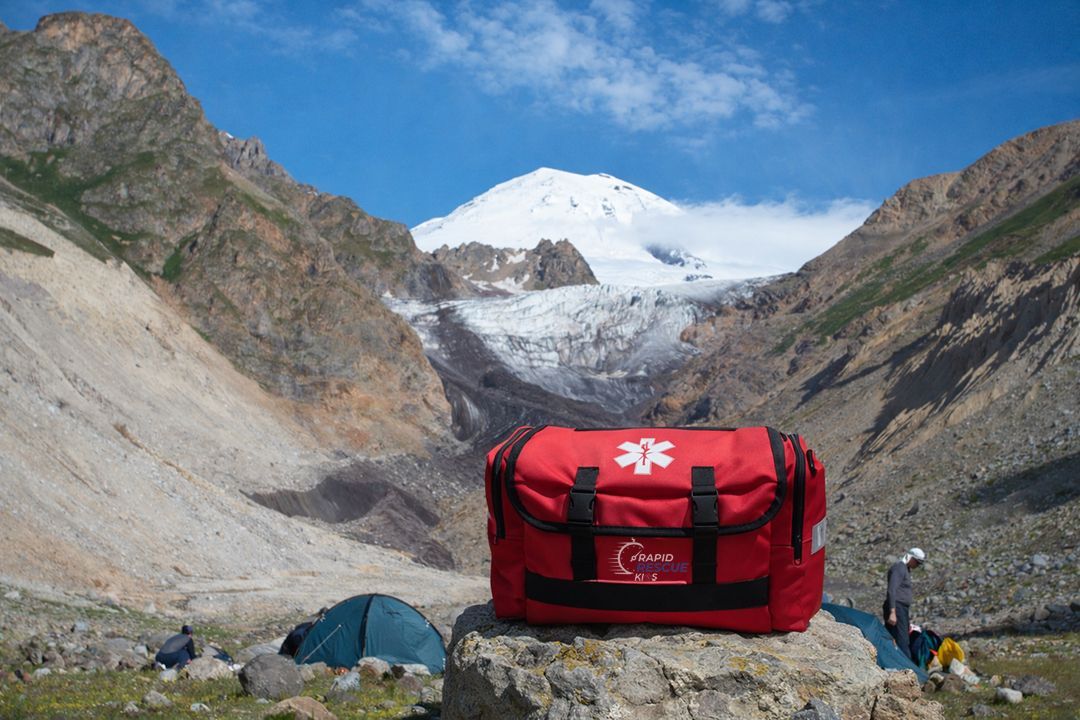
Not all emergency kits should be the same. The contents should reflect the environment where they will be used.
For example:
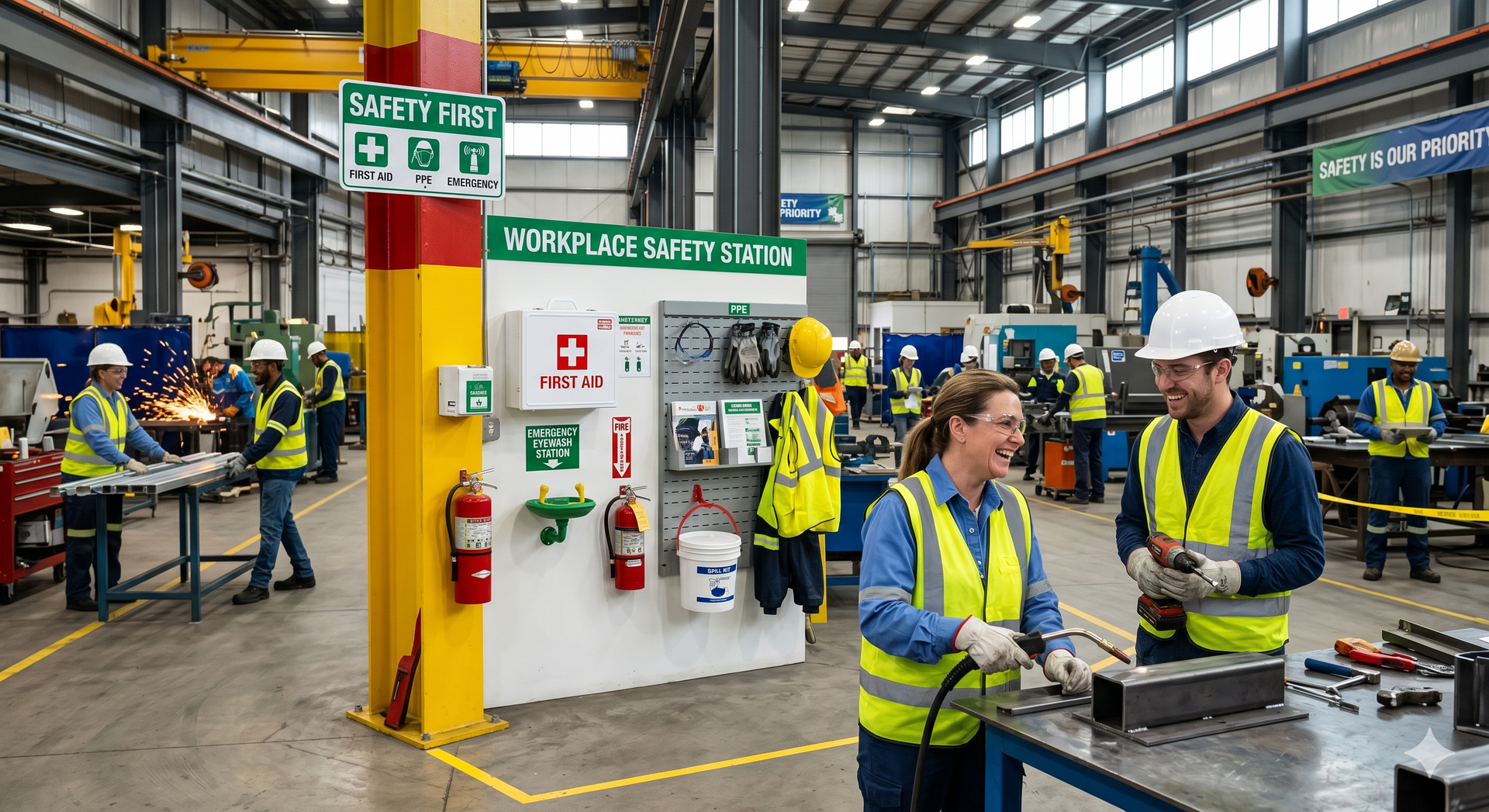
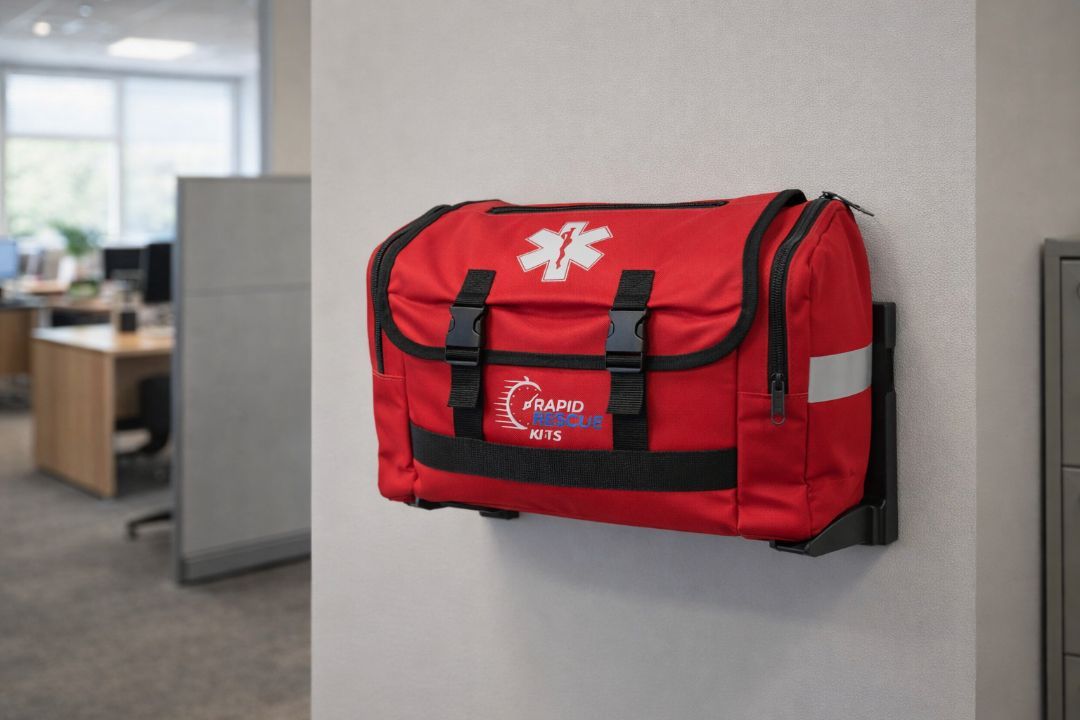
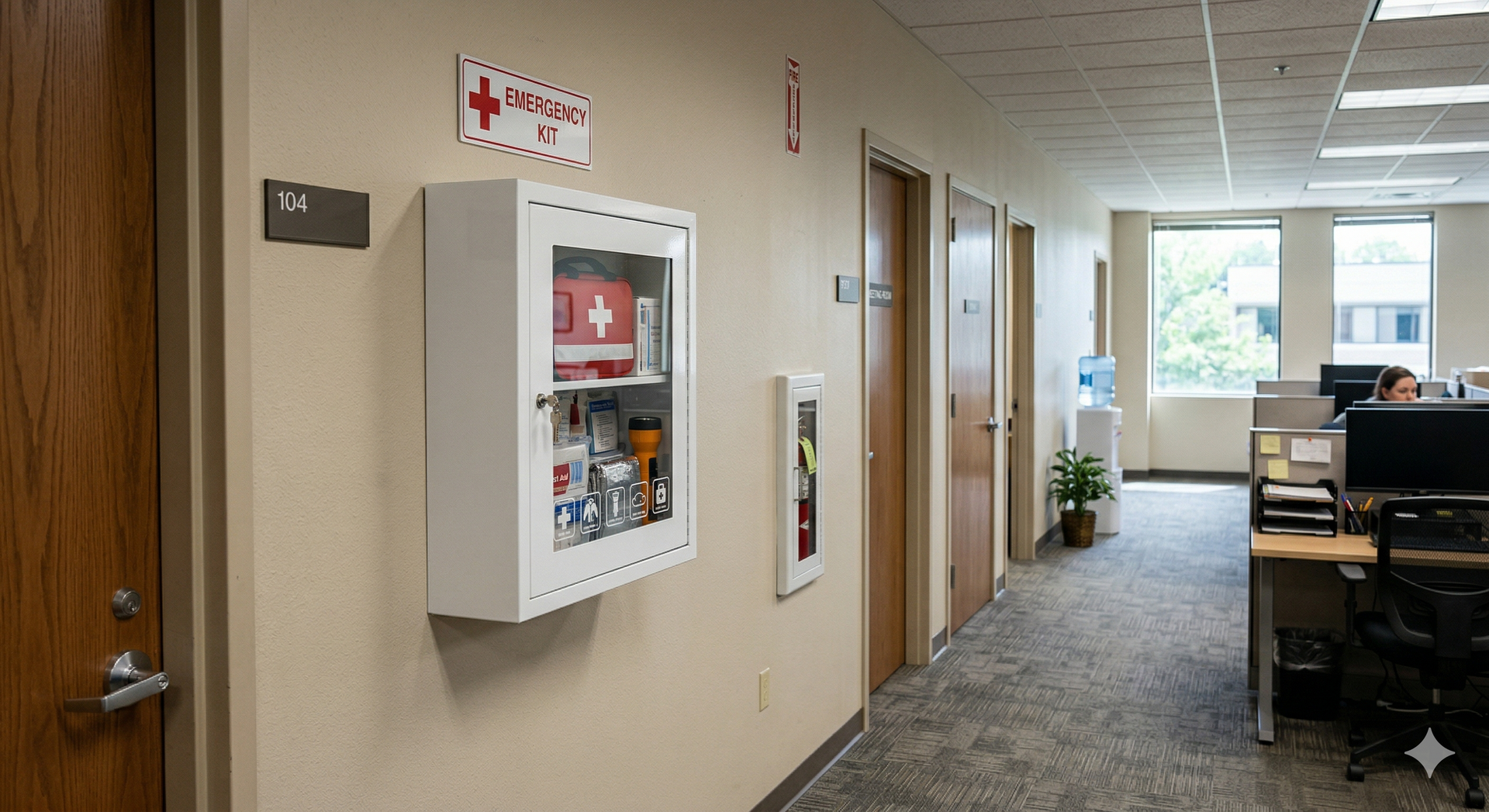
Workplace emergency kits: Should include both basic and advanced supplies, especially in industries with higher risk. Accessibility and visibility are key.
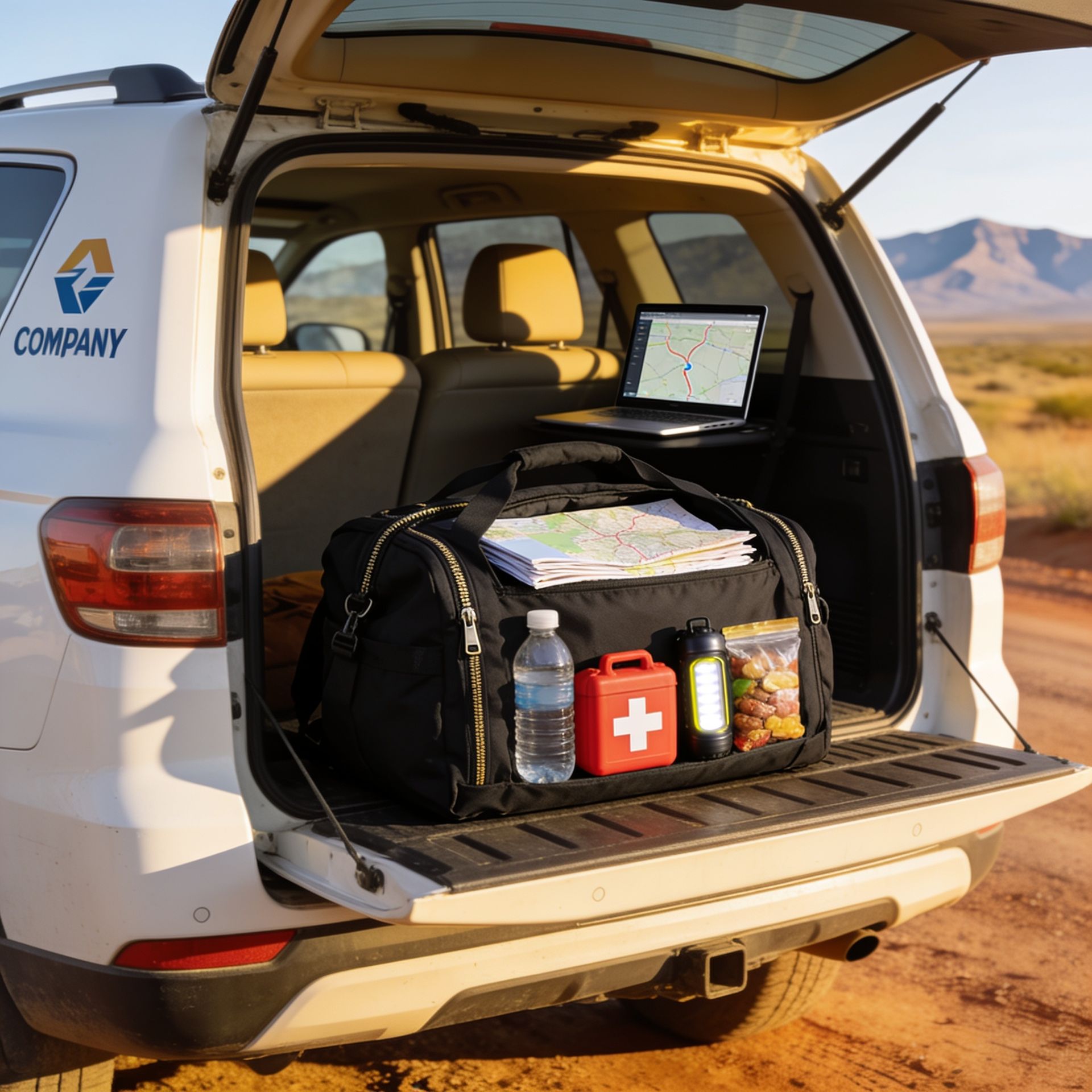
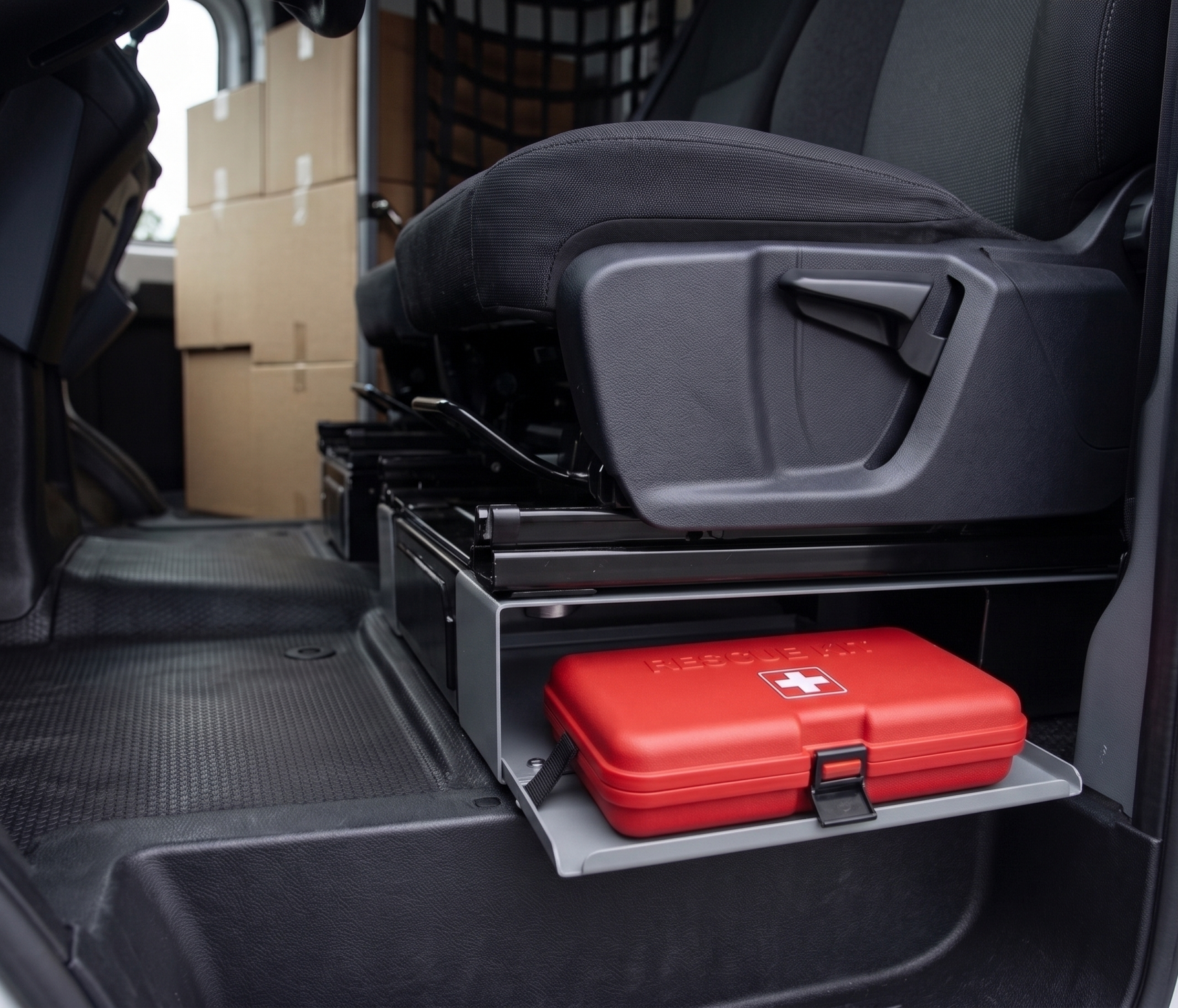
Vehicle emergency kits: Should include roadside safety items such as reflective triangles, jumper cables, and weather-related supplies in addition to first aid.
Home emergency kits: Should focus on general preparedness, including first aid, basic tools, and supplies that support short-term safety during unexpected events.
Tailoring your kit ensures that you are prepared for the most likely scenarios in your environment.

How Often Should You Check Your
Emergency Kit?
An emergency kit is only useful if it is properly maintained. Supplies can expire, become damaged, or go missing over time.
Best practices include:
- Checking kits monthly
- Replacing expired items immediately
- Restocking used supplies after any incident
- Keeping kits clean, organized, and accessible
Routine maintenance ensures your kit is ready when you need it most.
Common Mistakes When Building an Emergency Kit
Many people unintentionally create gaps in their preparedness by overlooking key details.
Common mistakes include:
- Relying on incomplete or low-quality kits
- Not tailoring supplies to specific risks
- Storing kits in hard-to-reach locations
- Failing to maintain or update contents
Avoiding these mistakes can significantly improve your ability to respond effectively.

Choosing a Professional Emergency Kit
Pre-assembled emergency kits designed for real-world use can eliminate guesswork and ensure a higher level of preparedness. These kits are built to include both essential and advanced supplies, making them suitable for a wide range of environments.
A professional emergency kit offers:
- Comprehensive, thoughtfully selected supplies
- Higher-quality materials and components
- Better organization for quick access
- Increased confidence during emergencies
For businesses and individuals alike, investing in a complete emergency kit is one of the most practical steps toward safety.
Be Prepared Before It Matters Most
Emergencies rarely happen with warning, but preparation gives you the ability to respond quickly and effectively. Whether you are preparing for your workplace, vehicle, or home, having a complete and well-maintained emergency kit can make a critical difference.
Rapid Rescue Kits provides professional-grade emergency kits designed to meet real-world needs. With thoughtfully curated supplies and reliable organization, these kits help ensure you are ready for whatever comes next.
If you are ready to improve your preparedness, explore emergency kits built for performance, safety, and peace of mind.
Frequently Asked Questions
Q: What is the most important item in an emergency kit?
A: There is no single most important item, but bleeding control supplies such as gauze and tourniquets are critical for serious injuries.
Q: How long should emergency supplies last?
A: Most emergency kits are designed for short-term use during immediate situations. Supplies should be replenished regularly and checked for expiration dates.
Q: Can I build my own emergency kit instead of buying one?
A: Yes, but many people miss essential items. Pre-assembled kits ensure completeness and proper organization.
Q: Where should emergency kits be stored?
A: Emergency kits should be stored in easily accessible, clearly marked locations where they can be reached quickly during an emergency.