
What Type of Rescue Kit Does Your Workplace Actually Need?

Rapid Rescue Kit • October 30, 2025

TLDR;


The rescue kit your workplace needs depends on your specific hazards. Offices require basic first aid and emergency supplies, while industrial or high-risk sites need trauma kits with bleeding control tools, PPE, and specialized rescue gear. Rapid Rescue Kits recommends conducting a risk assessment to match your kit to your work environment and ensure OSHA and ANSI/ISEA compliance.

Understanding the Difference: Rescue Kit vs First Aid Kit

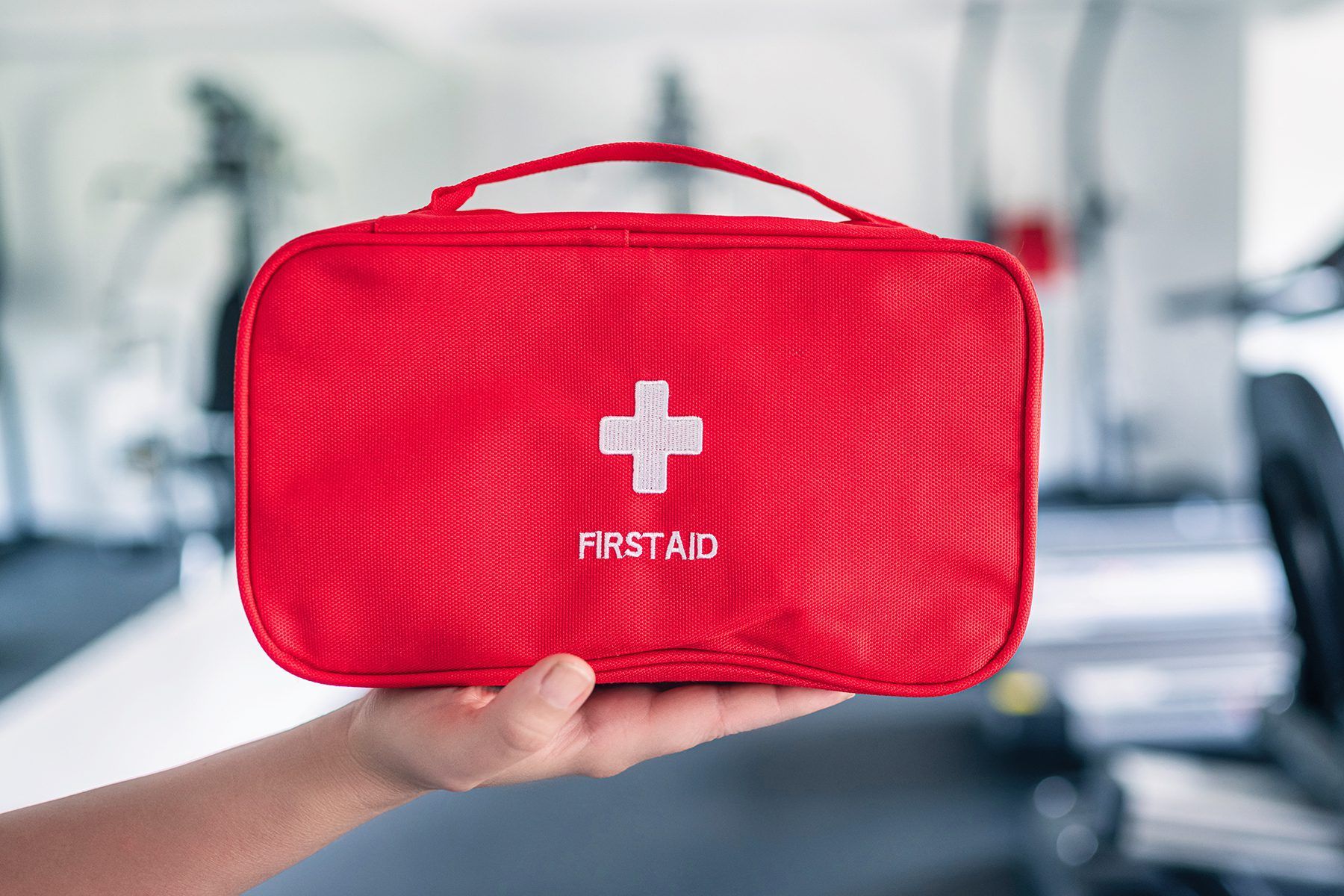
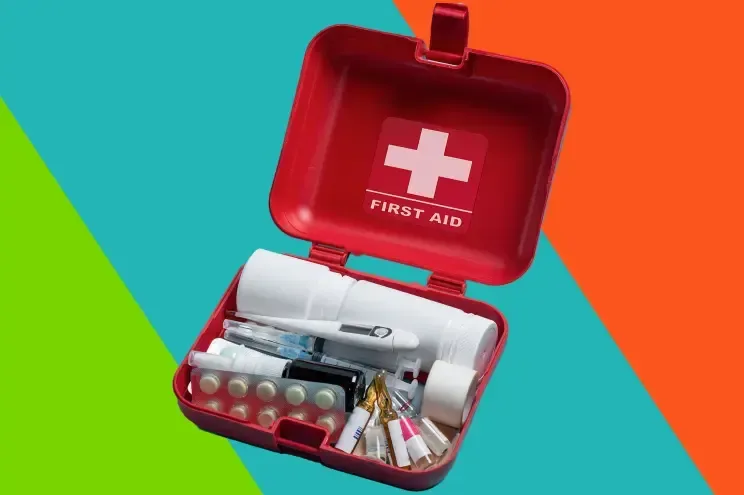
A rescue kit is not the same as a first aid kit.


A first aid kit treats minor injuries until help arrives. A rescue kit is designed for life-threatening emergencies where immediate response is critical.


Key differences include:


  • Purpose: First aid kits focus on minor care. Rescue kits focus on saving lives.

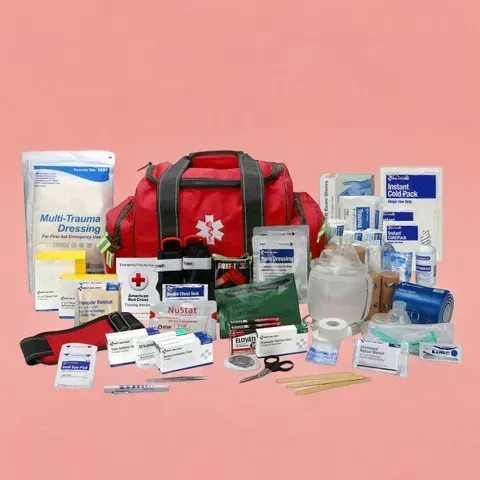
  • Contents: Rescue kits include trauma dressings, tourniquets, airway tools, and bleeding control items.

  • Use Case: Rescue kits are used in severe incidents like falls, crush injuries, or heavy bleeding.

The distinction matters for compliance and readiness. Rapid Rescue Kits often sees companies mislabel trauma kits as first aid kits, leaving workers unprepared for real emergencies.

Identifying Your Workplace’s Risk Level

Before buying a workplace rescue kit, you need to understand your environment.


Every workplace carries risk, but not all risks are equal.


Consider the following factors:


  • Workplace Type: Offices have lower risks compared to construction or manufacturing sites.

  • Common Hazards: Identify chemical exposure, machinery, electrical risks, or confined spaces.

  • Response Time: Consider how long professional help takes to arrive. The longer it takes, the more advanced your rescue kit should be.

  • Workforce Size: Larger teams mean more potential incidents and the need for multiple kits.

Regulations also play a role. OSHA requires employers to provide suitable first aid and rescue equipment. ANSI/ISEA Z308.1-2021 sets minimum kit standards, while industry-specific rules may demand specialized gear for confined spaces or electrical work.

Core Components of a Workplace Rescue Kit

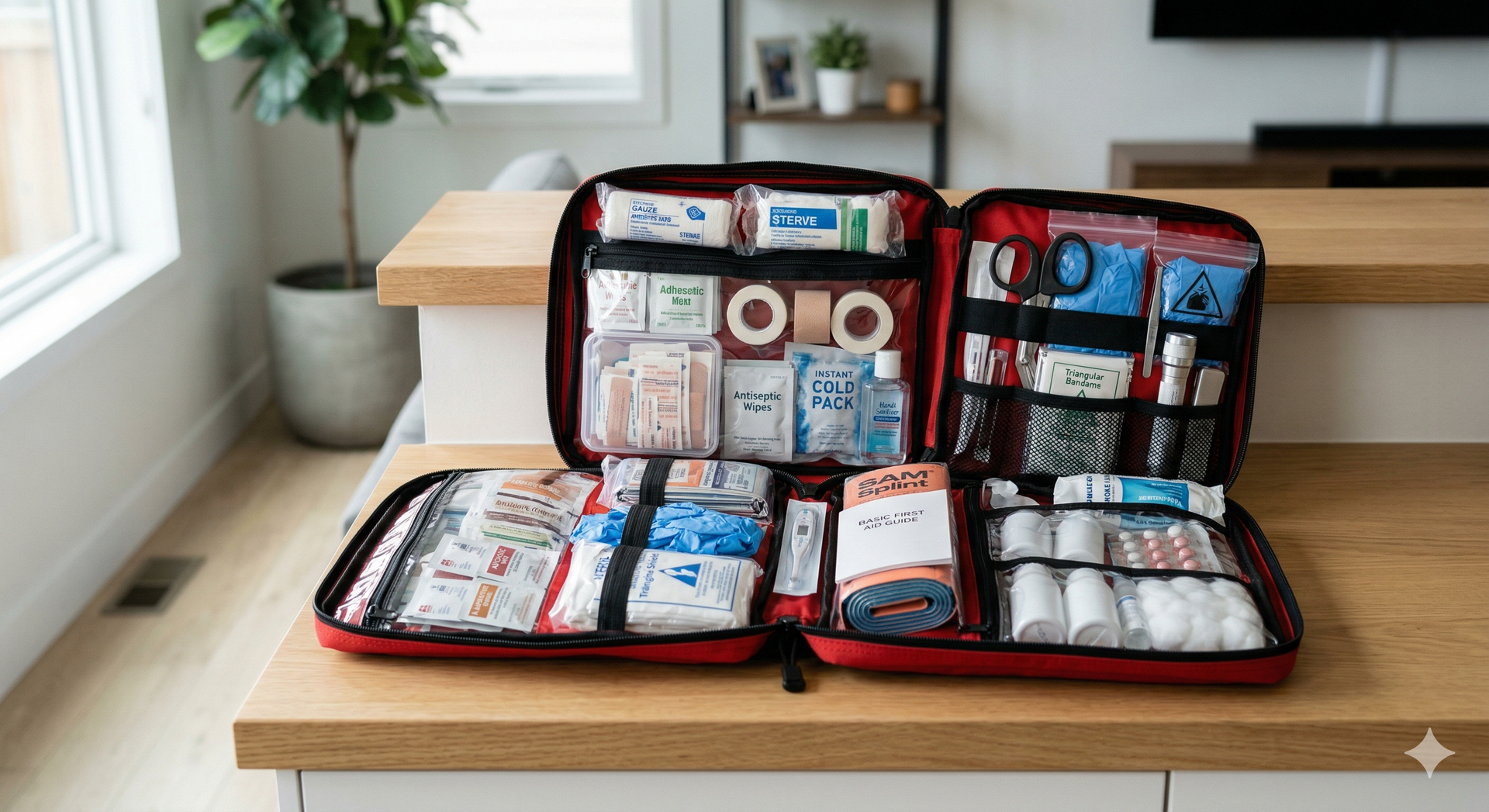
Every rescue kit should address the ABCs of trauma response: airway, bleeding, and circulation.


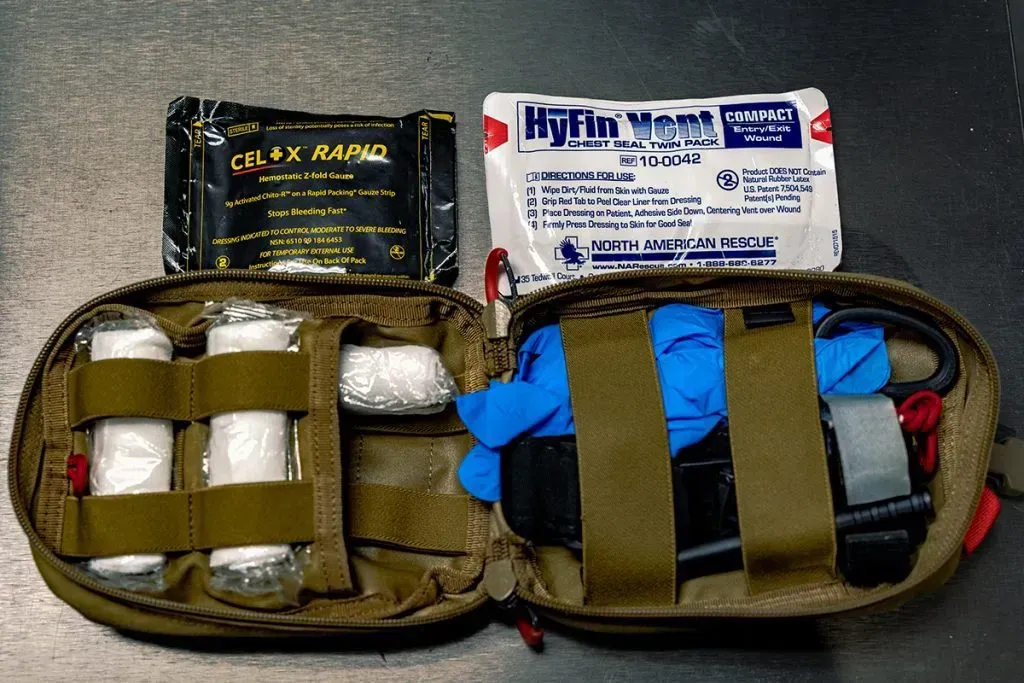
Medical and Trauma Supplies


  • Tourniquets for severe bleeding

  • Trauma dressings and pressure bandages

  • Chest seals for open chest wounds

  • Splints for fractures

  • Emergency blankets for shock prevention

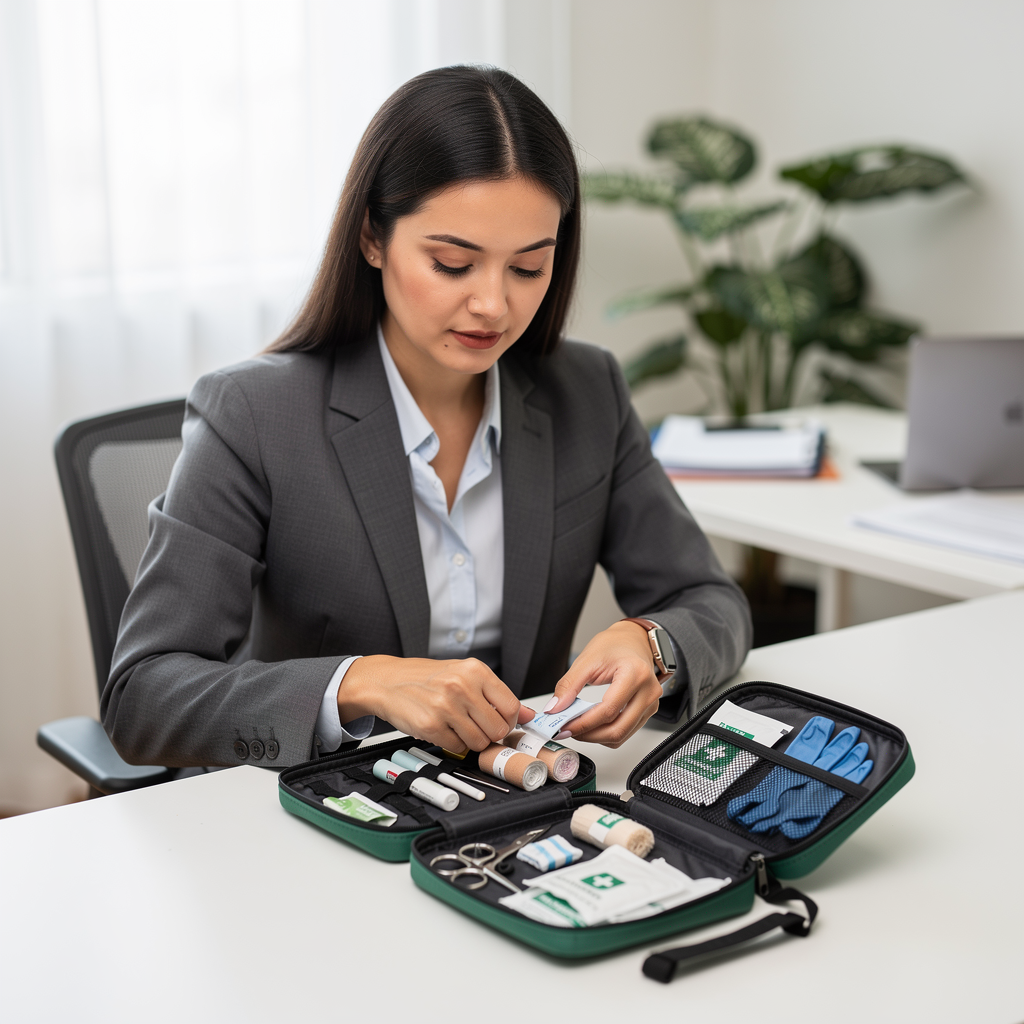
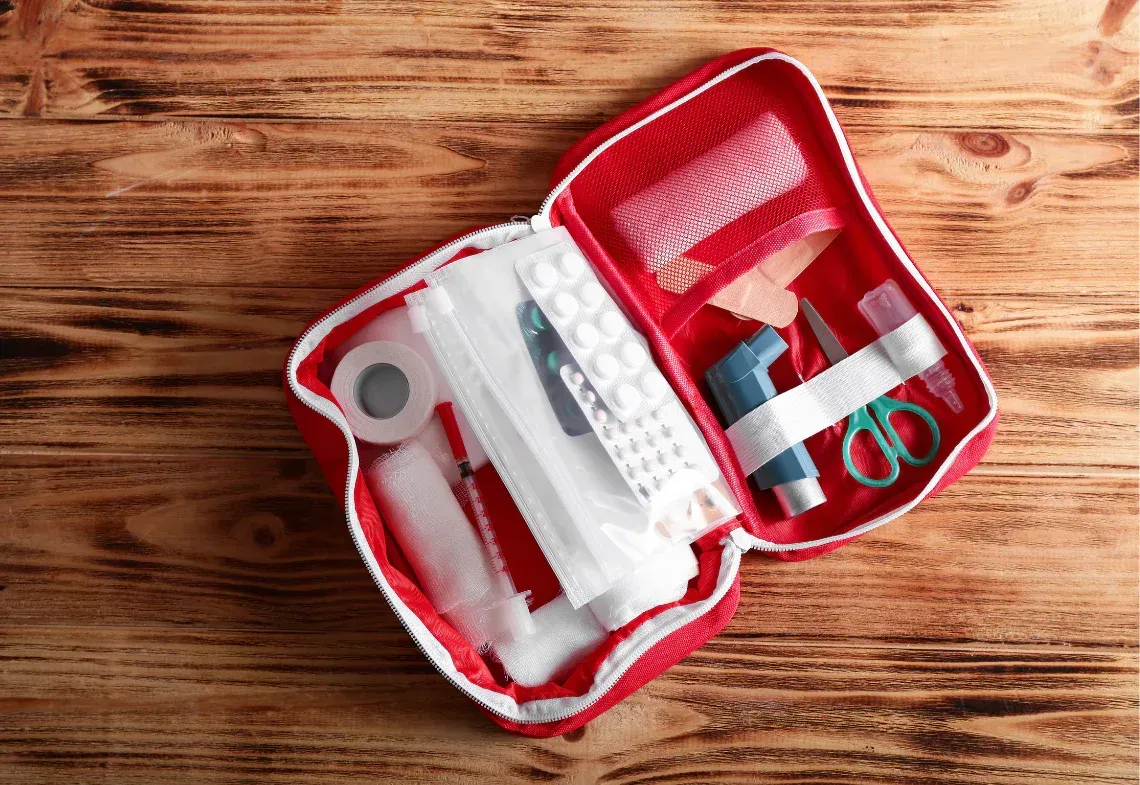
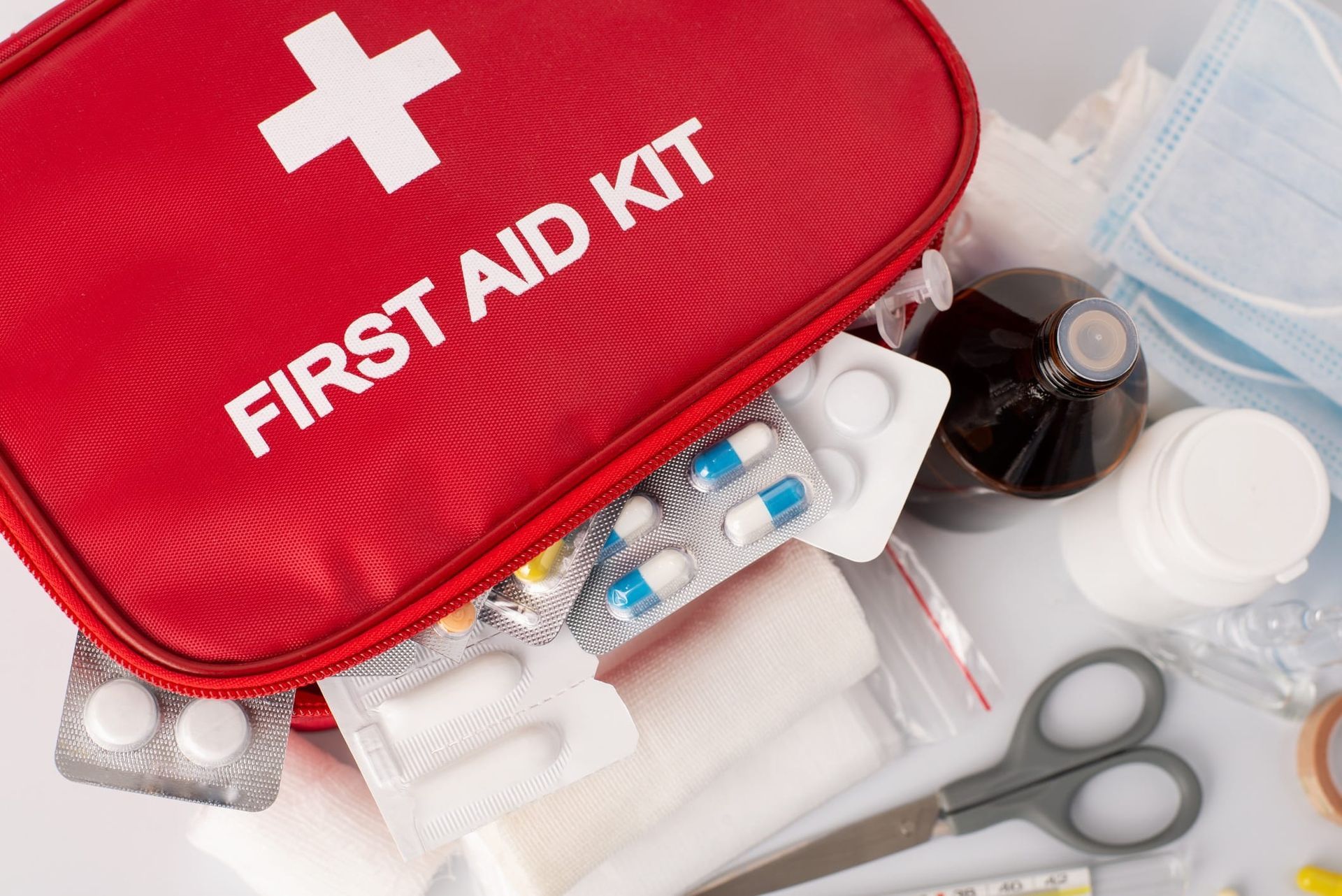
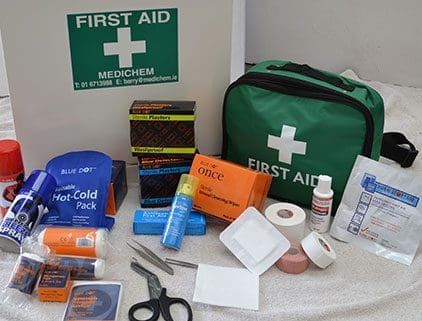
Basic First Aid Supplies


  • Sterile gauze pads and adhesive bandages

  • Antiseptic wipes and adhesive tape

  • Disposable gloves and face shields

  • Scissors, tweezers, and eye wash

  • Resuscitation masks for CPR support

Rescue-Specific Items


  • Flashlight and whistle

  • Protective eyewear

  • Thermal blankets

  • Blood control kits

  • Burn dressings

Additional Emergency Tools


  • Flashlight or hand-crank radio

  • Emergency communication device

  • Portable stretcher or rescue board

  • Hazard-specific PPE such as respirators or chemical gloves

Rapid Rescue Kits builds each package to exceed these standards. Our rescue kits prioritize ease of use, fast access, and comprehensive trauma control.

Choosing the Right Rescue Kit for Your Environment

The right kit depends on where and how your team works.


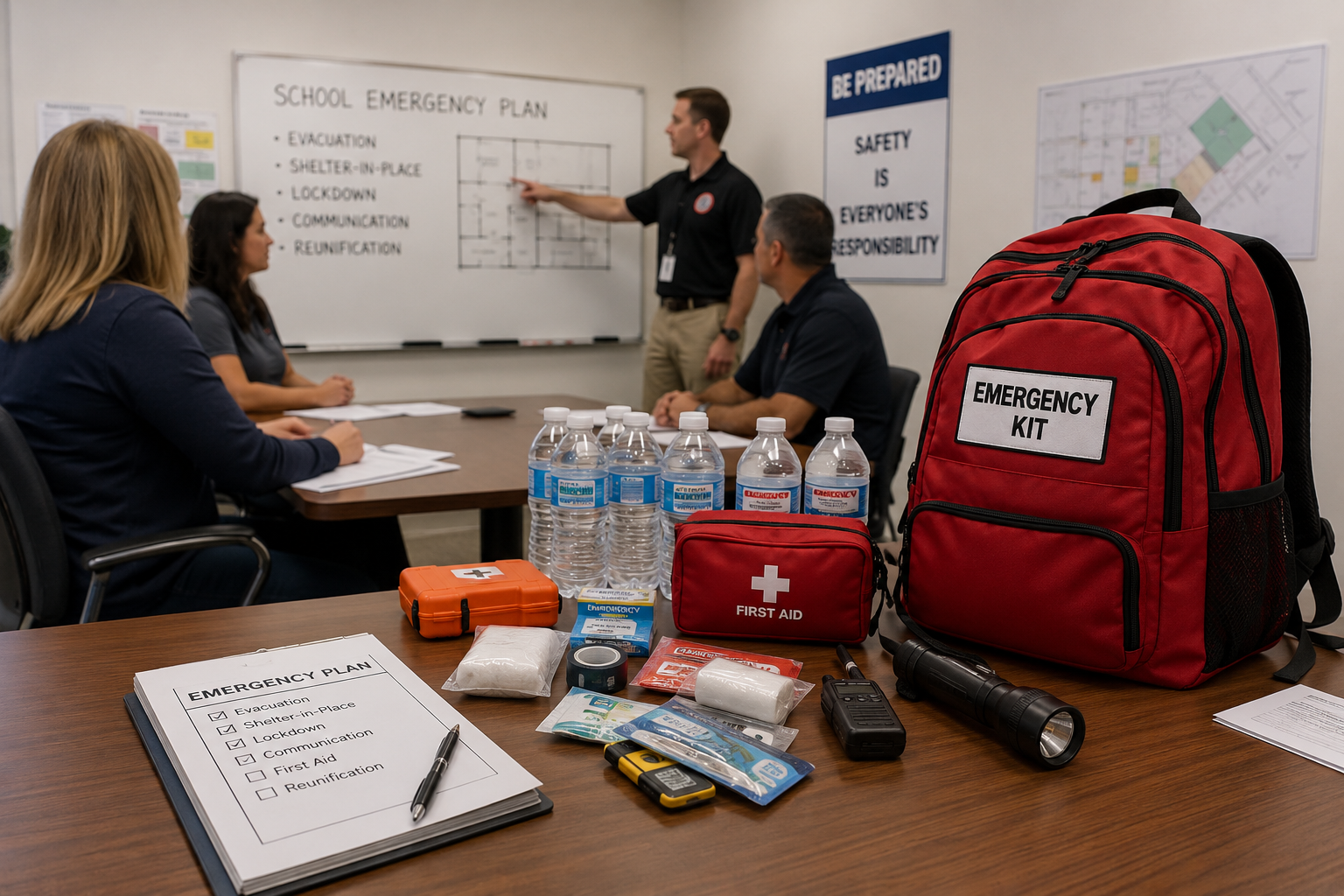
Low-Risk Workplaces (Offices, Retail, Schools)


  • Focus on general first aid and emergency response.

  • Include items for cuts, burns, and minor injuries.

  • Add a basic trauma section for rare but severe incidents.

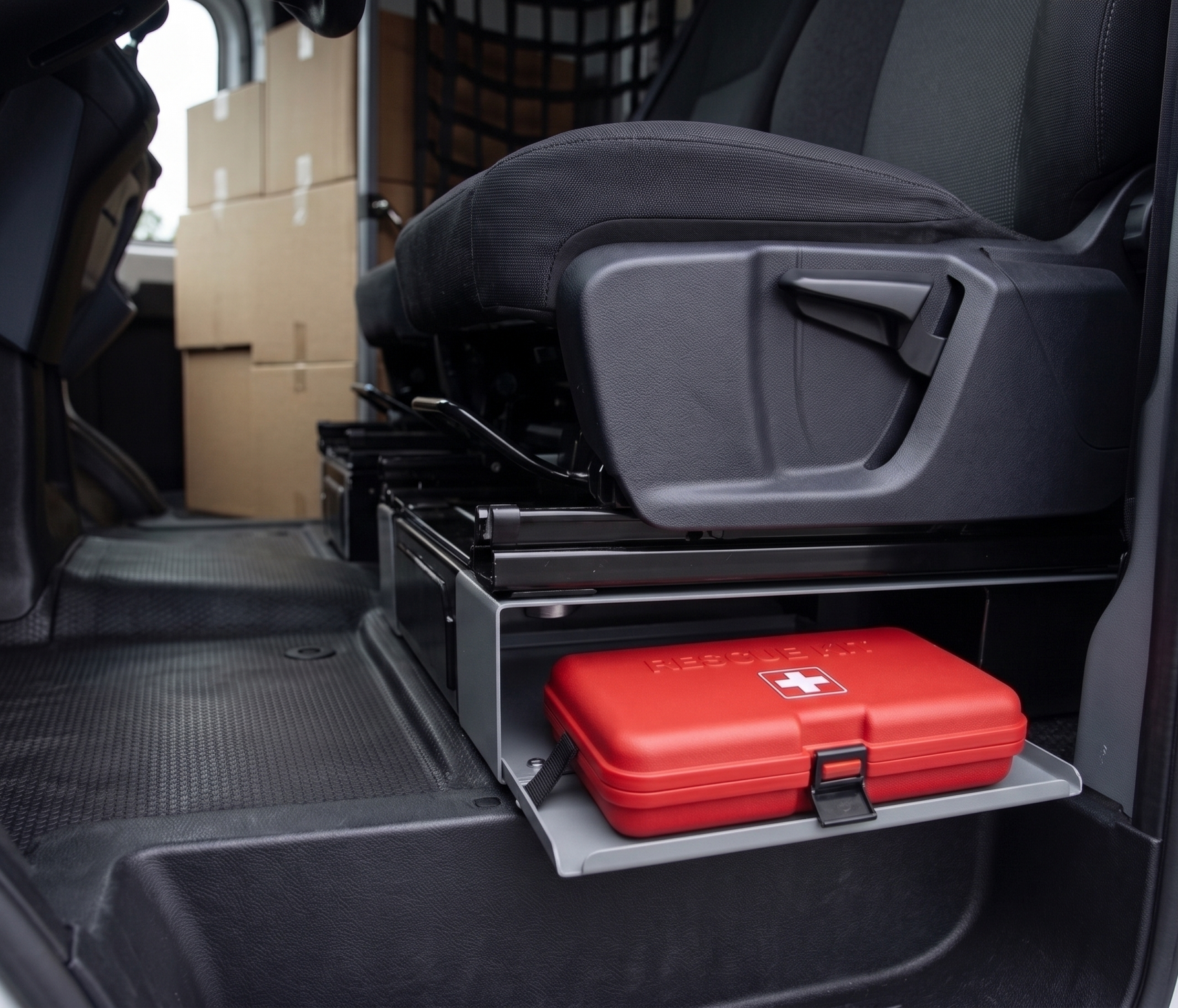
Medium-Risk Workplaces (Warehouses, Maintenance, Transportation)


  • Include bleeding control kits, burn dressings, and splints.

  • Add protective gloves, eyewash, and emergency blankets.

  • Store kits near work zones and vehicles.

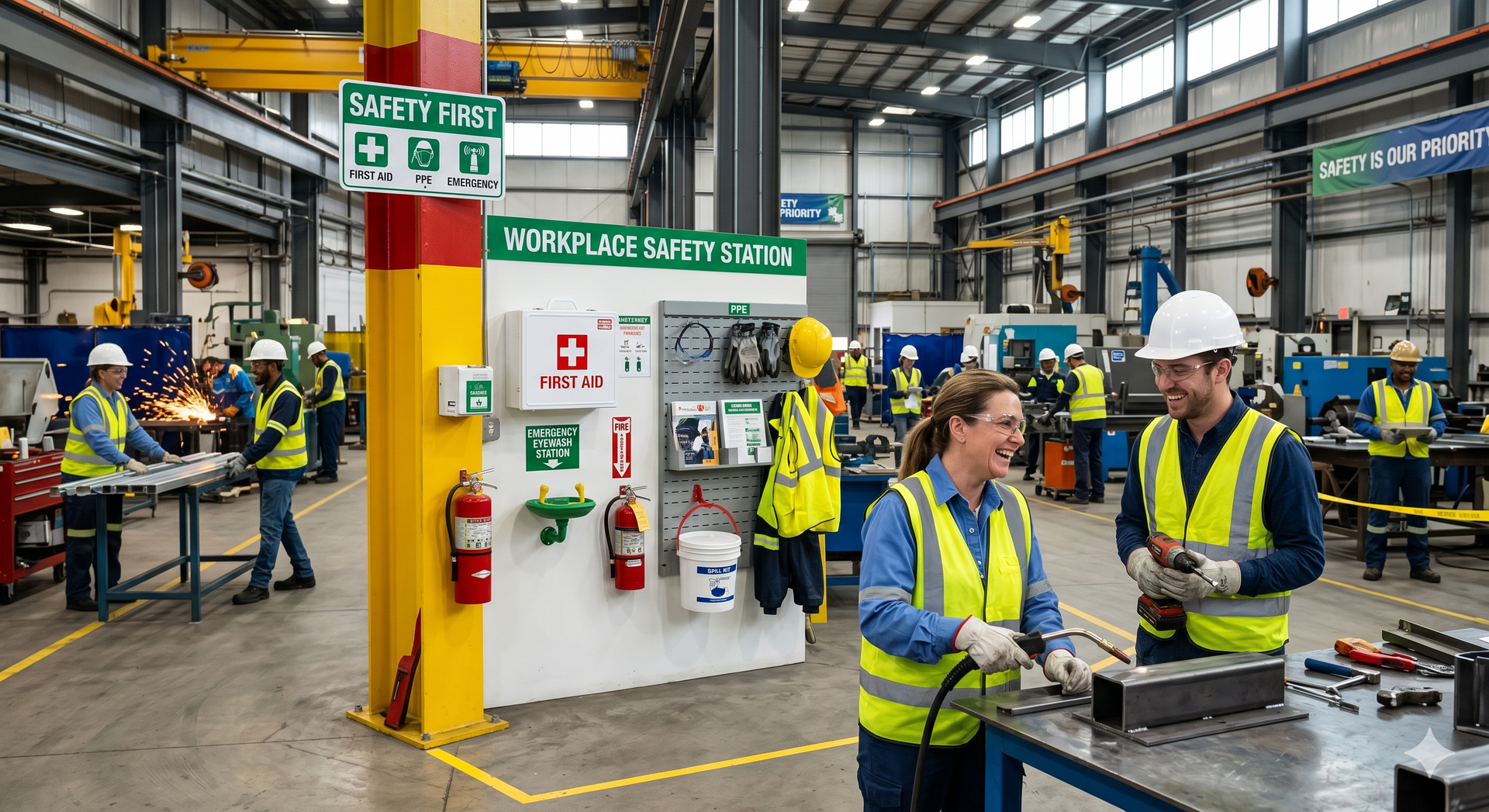
High-Risk Workplaces (Construction, Manufacturing, Oil Fields)


  • Use advanced trauma kits—such as Utility Company First Aid Kits—with tourniquets, airway tools, and hemostatic dressings for faster, compliant emergency response in high-voltage or confined-space environments.

  • Include rescue gear for confined spaces or working at height, such as harnesses and ropes.

  • Have backup kits in multiple areas for fast access.

Each Rapid Rescue Kit is designed for scalability. We help you choose based on your hazard type, from low-risk office kits to advanced industrial rescue systems.

Customizing Your Rescue Kit for Hazard Type

Your workplace may face unique dangers that standard kits do not address. Customization ensures preparedness.


For Chemical Hazards


  • Neutralizing agents and chemical splash eyewash

  • Protective gloves and aprons

  • Sealed waste bags for contaminated materials

For Electrical Hazards


  • Insulated gloves and rescue hooks

  • Burn and shock treatment supplies

  • Non-conductive tools for emergency disconnection

For Working at Height


  • Harnesses and descenders

  • Rope and retrieval systems

  • Trauma straps for suspension relief

For Outdoor or Remote Worksites


  • Water purification tablets

  • Shelter materials and signal devices

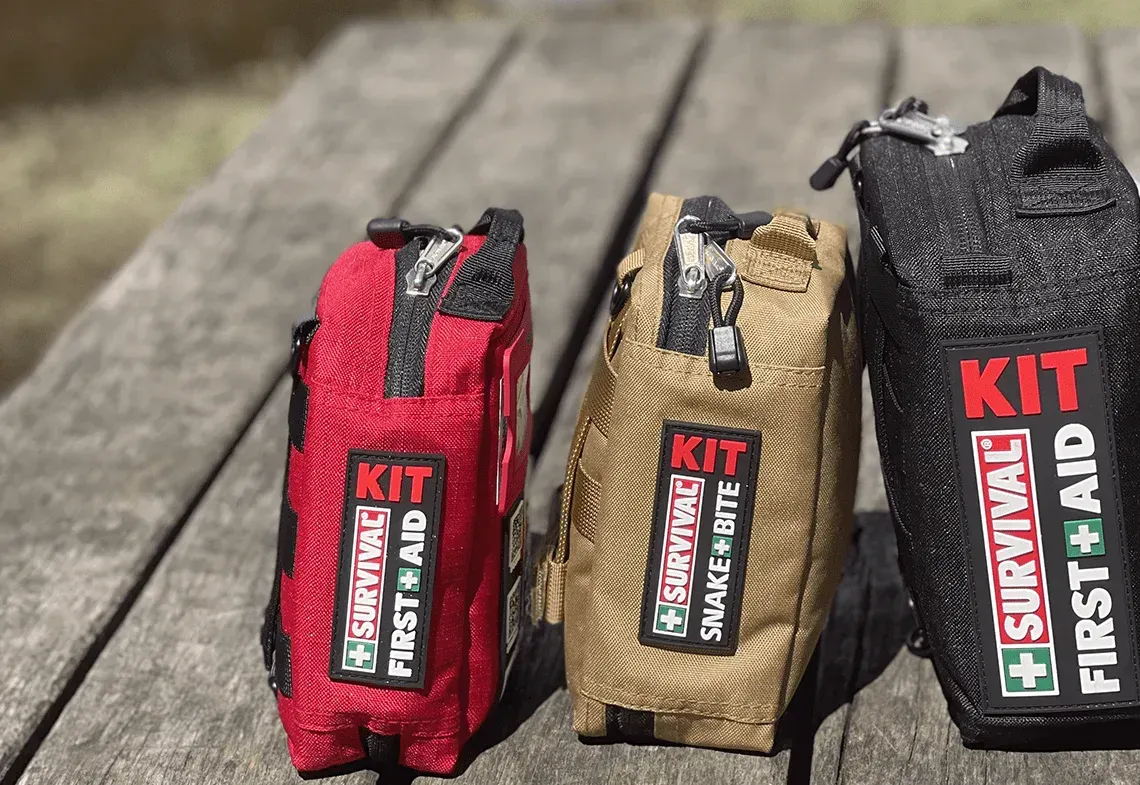
  • Snakebite or insect sting kits

A rescue kit is only effective if it matches your environment. Rapid Rescue Kits helps you align with ANSI/ISEA standards while adapting to real-world job conditions.

Placement, Accessibility, and Maintenance

A rescue kit is useless if it cannot be reached fast.


Strategic placement saves time and lives.


Follow these principles:


  • Kits must be visible and reachable within 60 seconds in high-hazard areas.

  • Mount kits on walls with clear signage.

  • Train staff on where kits are located.

Maintenance Checklist


  • Inspect kits monthly for missing or expired items.

  • Replace single-use items immediately after use.

  • Track expiration dates and reorder before they lapse.

  • Assign one employee per shift to verify kit readiness.

Rapid Rescue Kits provides maintenance-friendly packaging and replacement plans to simplify restocking.


Training for Effective Use


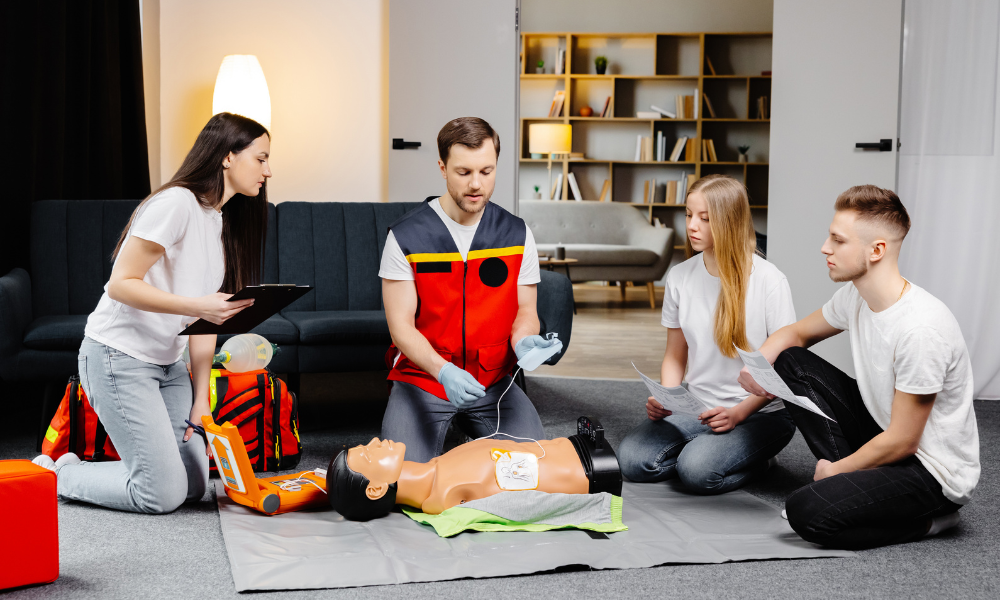
Having a rescue kit is not enough. Employees must know how to use it.
Schedule regular training sessions on trauma response, bleeding control, and CPR.

Legal and Compliance Responsibilities

Employers are legally obligated to maintain workplace rescue readiness.


OSHA Requirements


  • Section 29 CFR 1910.151 states that adequate first aid supplies must be available.

  • For remote or high-risk sites, advanced rescue equipment is required.

ANSI/ISEA Standards


  • The Z308.1-2021 standard defines the minimum components of compliant kits.

  • Additional supplies are required for high-risk environments.

Industry Obligations


  • Construction: Fall rescue and trauma equipment.

  • Manufacturing: Machinery injury response kits.

  • Laboratories: Chemical spill and eyewash stations.

Failing to comply exposes employers to penalties and liability. Investing in a proper rescue kit protects workers and business continuity.

Workplace Scenarios: Rescue Kits in Action

Office Emergency


A fire alarm triggers evacuation. A worker trips and sustains a deep laceration. A co-worker uses the bleeding control kit to apply a tourniquet before help arrives. The Rapid Rescue Kit prevents shock and stabilizes the injury.


Manufacturing Incident


A metal worker suffers a crush injury. On-site responders use trauma dressings and airway tools from the rescue kit. The victim is stabilized before emergency services reach the site.


These examples show that proper rescue kits reduce response time and save lives.

Building a Workplace Safety Culture

Preparedness is not a one-time action. It is a mindset.


Every employee should understand how to respond to emergencies and where the rescue kits are located.


Practical steps include:


  • Conduct quarterly drills.

  • Keep printed safety maps near exits.

  • Include rescue kit training in onboarding.

  • Encourage reporting of damaged or missing supplies.

Rapid Rescue Kits supports companies in building stronger safety cultures through accessible rescue gear and education programs.

Future of Workplace Rescue Preparedness

Workplace safety standards continue to evolve. Emerging technology, smart sensors, and data-driven inspections are changing how rescue kits are managed.


Expect more:


  • Integrated digital tracking for maintenance alerts.

  • Compact trauma kits for personal carry.

  • Industry-specific modular systems for fast customization.

Companies that stay proactive will meet future OSHA and ANSI updates with confidence. Rapid Rescue Kits monitors these trends to ensure compliance and innovation align.

Why Every Business Should Act Now

Delays in updating rescue equipment increase risks. Conduct a safety audit today.


Identify gaps, replace outdated supplies, and train your team.


Every workplace should have a rescue plan and the right equipment in place. Rapid Rescue Kits helps you assess your needs, build a compliant solution, and maintain ongoing readiness.


Being prepared protects your people and your business.

How to Choose the Best Rescue Kit for Outdoor Adventures and Trave
By Rapid Rescue Kit October 30, 2025
Stay safe anywhere. Learn how to choose the best rescue kit for outdoor adventures and travel with expert tips from Rapid Rescue Kits.
From Home to Highway: Why You Need More Than One Rescue Kit
By Rapid Rescue Kit October 30, 2025
Be ready anywhere. Learn why you need both a home and highway rescue kit to stay safe during power outages, breakdowns, or evacuations.
How Long Will the Supplies in Your Rescue Kit Last?
By Rapid Rescue Kit October 30, 2025
Learn how long rescue kit supplies last, when to replace them, and how to keep your emergency gear ready with expert tips from Rapid Rescue Kits.
Every Second Counts: Why Coaches, Gyms, and Sports Teams Need Advanced Emergency Kit
By Rapid Rescue Kit August 27, 2025
Be ready when every second matters. Learn why coaches, gyms, and sports teams trust Rapid Rescue Kits for life-saving emergency response.
Industrial First Aid Kits: CPR & AED Emergency Supplies for Manufacturing Companies
By Rapid Rescue Kit August 26, 2025
Industrial first aid kits with CPR & AED supplies for manufacturing. Stay OSHA compliant and protect workers with Rapid Rescue Kits.
First Aid Kits for Construction Companies: CPR & AED Safety Equipment On-Site
By Rapid Rescue Kit August 26, 2025
OSHA-compliant first aid kits with CPR masks & AED support for construction sites. Stay prepared with Rapid Rescue Kits’ durable solutions.
Utility Company First Aid Kits: On-Site CPR & AED Safety Solutions for Workers
By Rapid Rescue Kit August 26, 2025
Utility company first aid kits with CPR & AED keep workers safe on-site. Learn OSHA-compliant solutions for fast, effective emergency response.
Why a Rescue Kit Belongs in Every Home
By Rapid Rescue Kit August 7, 2025
Be ready for everyday emergencies. Discover why a rescue kit from Rapid Rescue Kits is essential for every home. Safety starts with preparation.
What Happens If You Use a Rescue Kit Incorrectly?
By Rapid Rescue Kit July 29, 2025
Learn the dangers of using a rescue kit incorrectly and how to use it properly. Protect lives with expert tips and ensure your safety in emergencies.
How to Store and Maintain Your Rescue Kit for Long-Term Readiness
By Rapid Rescue Kit July 29, 2025
Store and maintain your rescue kit the right way with expert tips from Rapid Rescue Kits—be ready for any emergency when it matters most.
Show More