International Emergency Kit Day Checklist Guide
International Emergency Kit Day: How to Build and Update Your Emergency Kit
Every July 9, International Emergency Kit Day serves as a reminder to prepare for the unexpected. Whether facing wildfires, tornadoes, hurricanes, floods, or extended power outages, having a properly stocked emergency kit can make a critical difference in the first hours of an emergency.
This annual awareness day encourages families, businesses, and organizations to build or refresh their emergency kits, ensuring essential supplies are ready before disaster strikes. If you haven’t reviewed your emergency preparedness plan recently, this is the perfect time to do it.
What Is International Emergency Kit Day?
International Emergency Kit Day is observed each year on July 9 to raise awareness about the importance of disaster preparedness. The goal is simple: encourage individuals and organizations to assemble or update emergency kits so they are ready to respond quickly during unexpected events.
Emergencies rarely provide warning. This day exists to shift preparation from something people “plan to do later” into something that is done now—before it’s needed.

Why Is Emergency Preparedness More Important Than Ever?
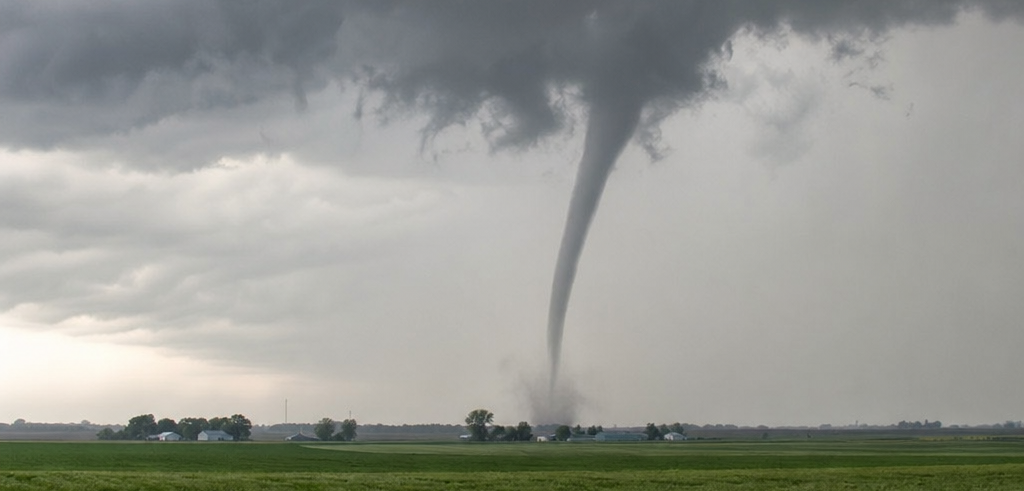
Across the United States, communities are experiencing more frequent and severe weather events. Wildfires are spreading rapidly in dry regions, while severe storms and tornadoes are impacting large portions of the country. Hurricane season and flooding events continue to disrupt homes and businesses each year.
These events highlight a simple reality: preparation cannot wait.
Having an emergency kit ready helps:
- Reduce response time during critical situations
- Improve safety outcomes for families and employees
- Provide essential resources when access to stores or services is limited
- Support evacuation efforts during fast-moving emergencies
Preparedness is no longer optional—it is a necessary part of protecting people and property.
What Should Be in an Emergency Kit?
Every emergency kit should include enough supplies to support basic needs for at least three days. While kits can vary depending on location and risk level, the following items are considered essential:
Water and Food
- At least one gallon of water per person, per day, for a minimum of three days
- Non-perishable food items such as energy bars, canned goods, and ready-to-eat meals
- Electrolyte packets
- Manual can opener
Power and Light
- Flashlights
- Extra batteries
- Portable power banks
- Backup phone chargers
First Aid and Health Supplies
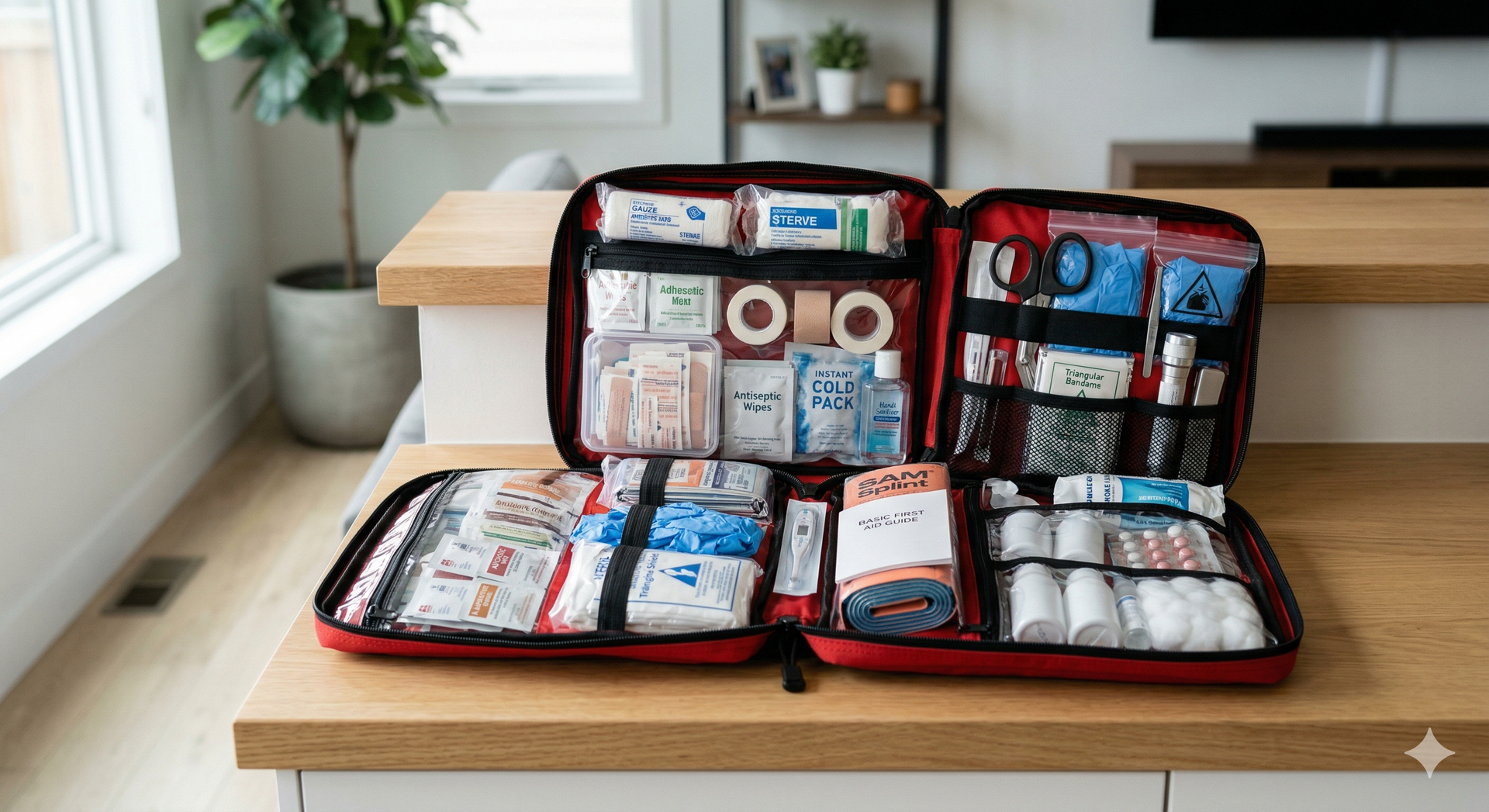
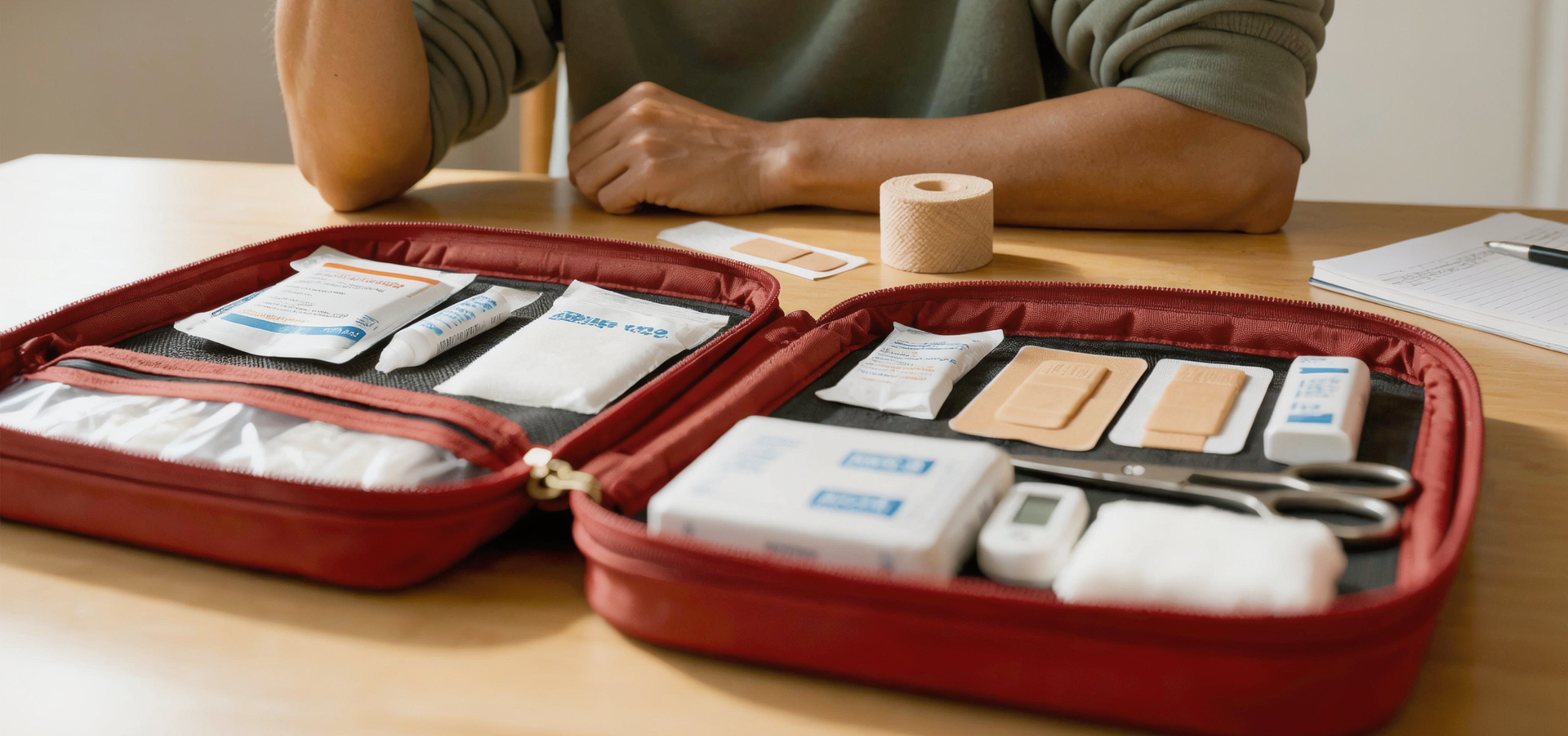
- A well-stocked first aid kit
- Prescription medications
- Over-the-counter medications
- Medical devices as needed
- Antiseptic wipes and gloves
Tools and Safety Items
- Whistle to signal for help
- Dust masks to filter contaminated air
- Multi-tool or utility tool
- Emergency blanket
- Waterproof matches or lighter
Personal and Hygiene Items
- Hand sanitizer
- Wet wipes
- Toothbrush and toothpaste
- Hygiene products
Important Documents
- Identification
- Insurance information
- Emergency contact list
- Medical records
- Copies of prescriptions
All items should be stored in a durable, portable container that can be quickly accessed during an emergency.

Should You Have More Than One
Emergency Kit?
Yes. One of the most common mistakes is relying on a single kit stored in one location.
For complete preparedness, most people should have:
- A home kit
- A vehicle kit
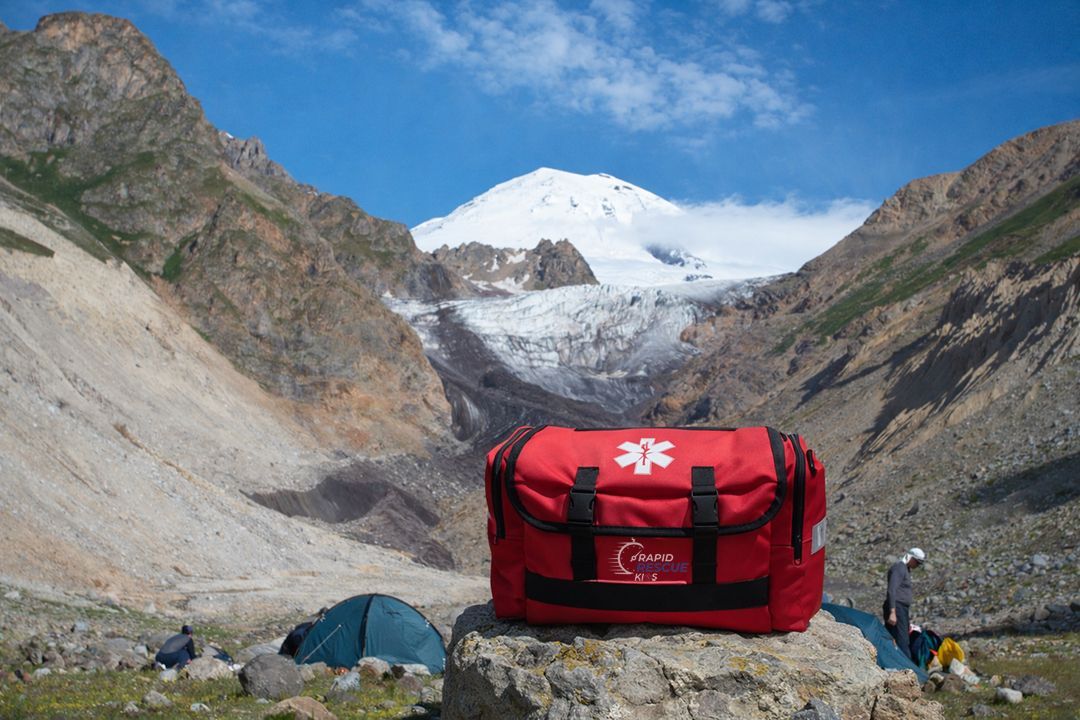
- A portable go bag for evacuations
- A workplace emergency kit
Having multiple kits ensures you are prepared no matter where an emergency occurs.
What Should Be in an Kit for Home, Business, and Vehicles?
Different environments require slightly different approaches to preparedness.
Home Emergency Kits
Focus on comfort and sustainability with enough supplies for all household members, including pets.
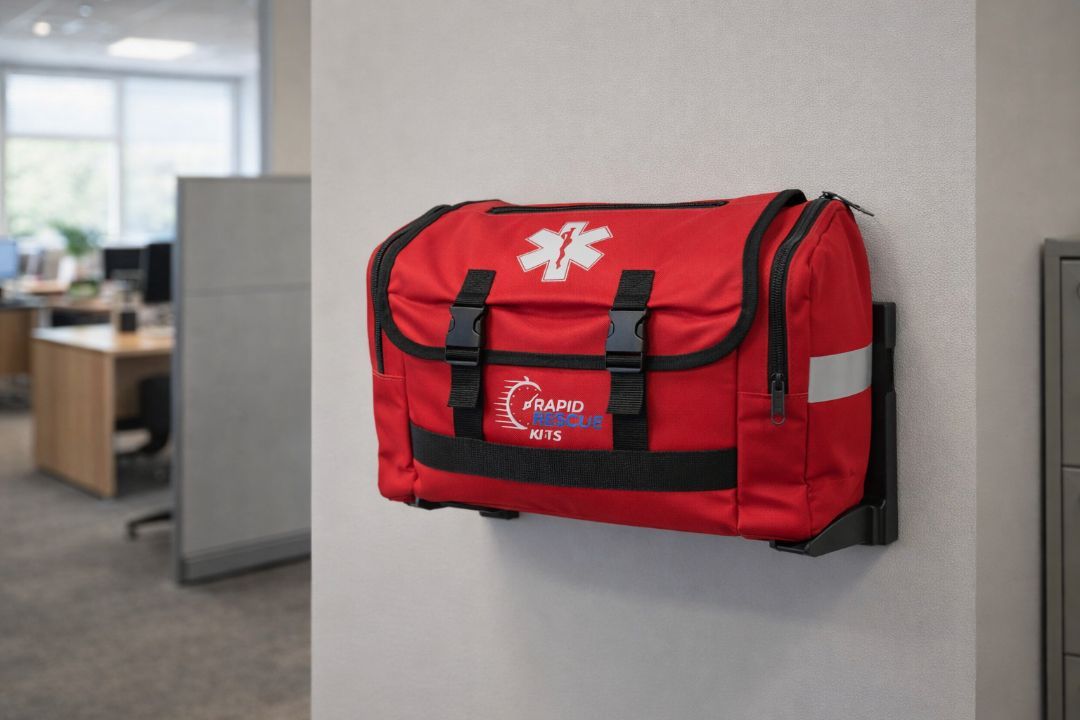
Workplace Emergency Kits
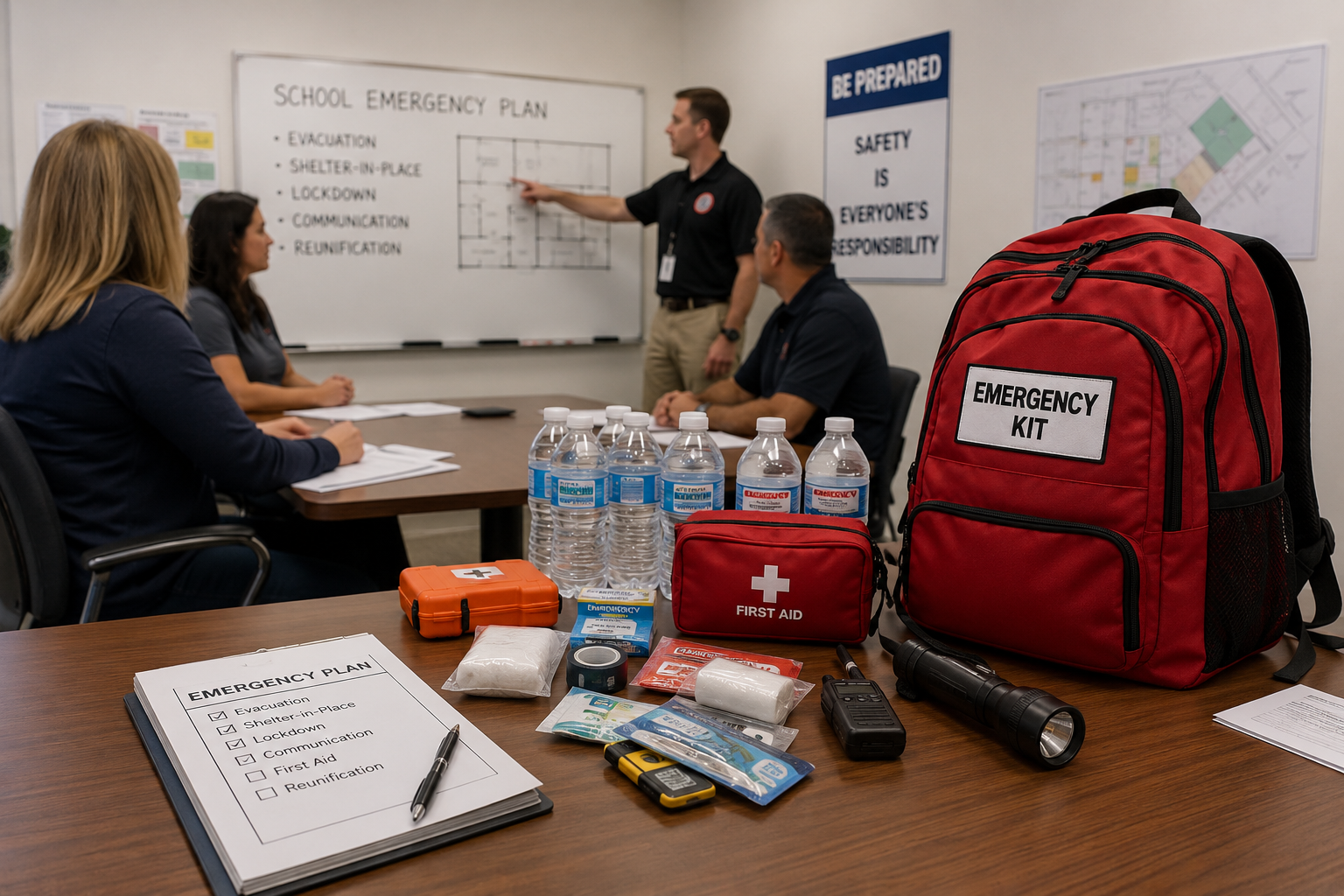
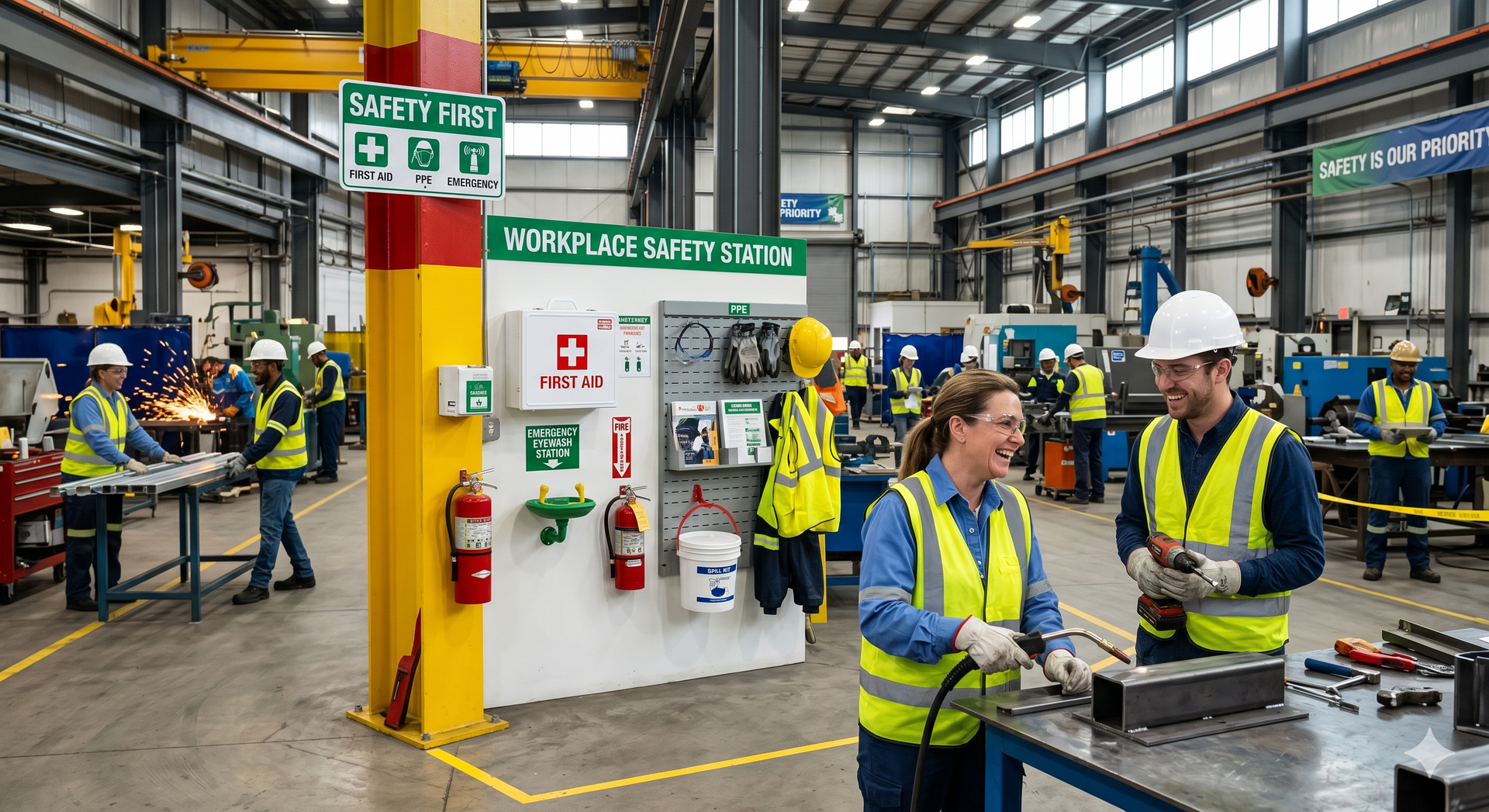
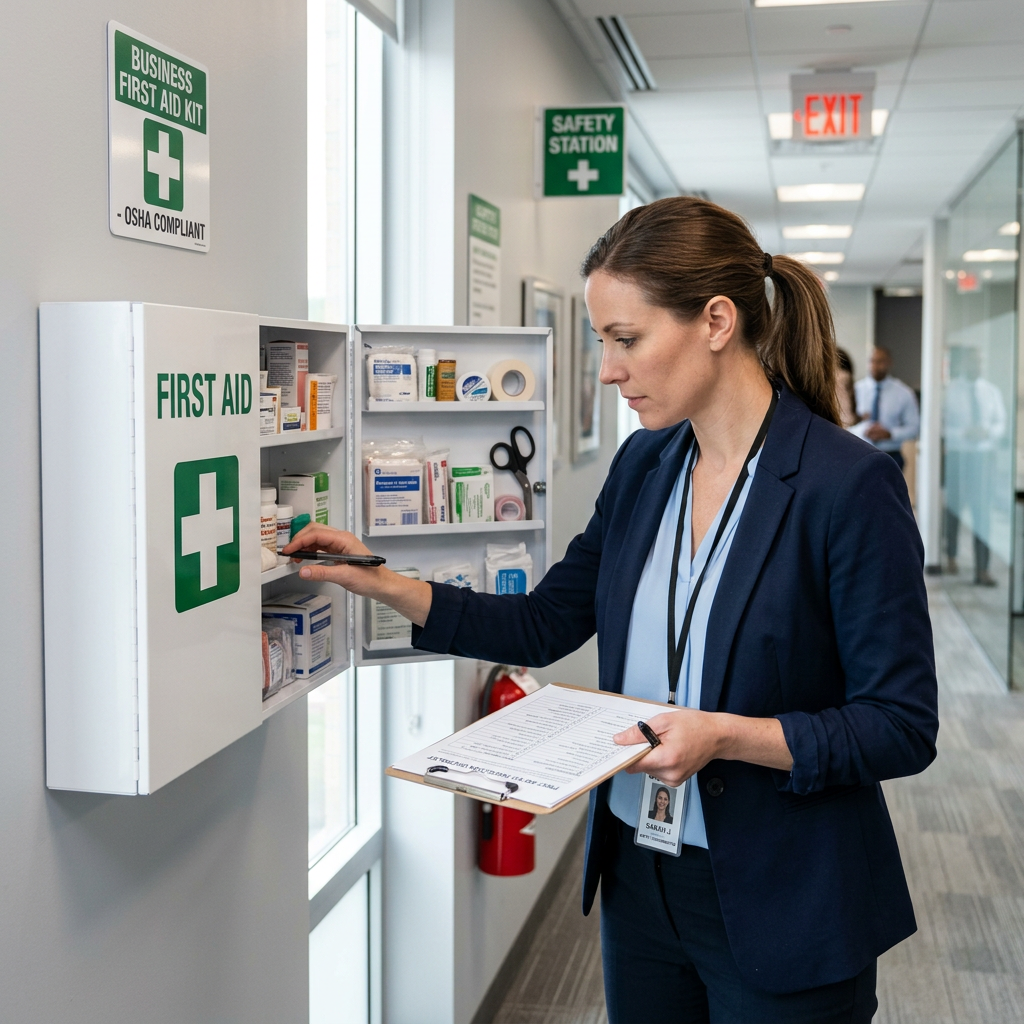
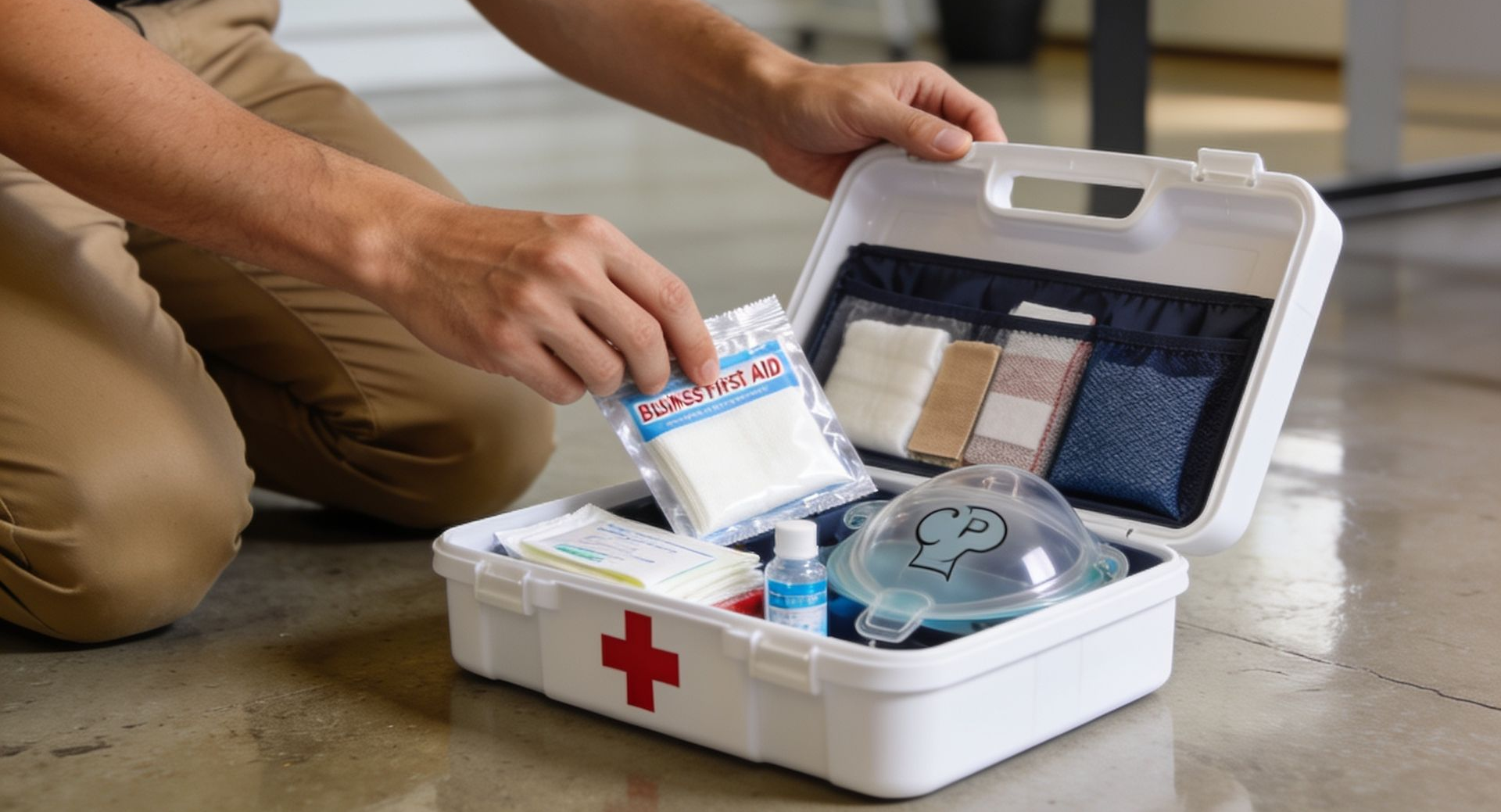
Businesses should include first aid supplies, safety equipment, and items that support employee evacuation and shelter-in-place scenarios.
Vehicle Emergency Kits
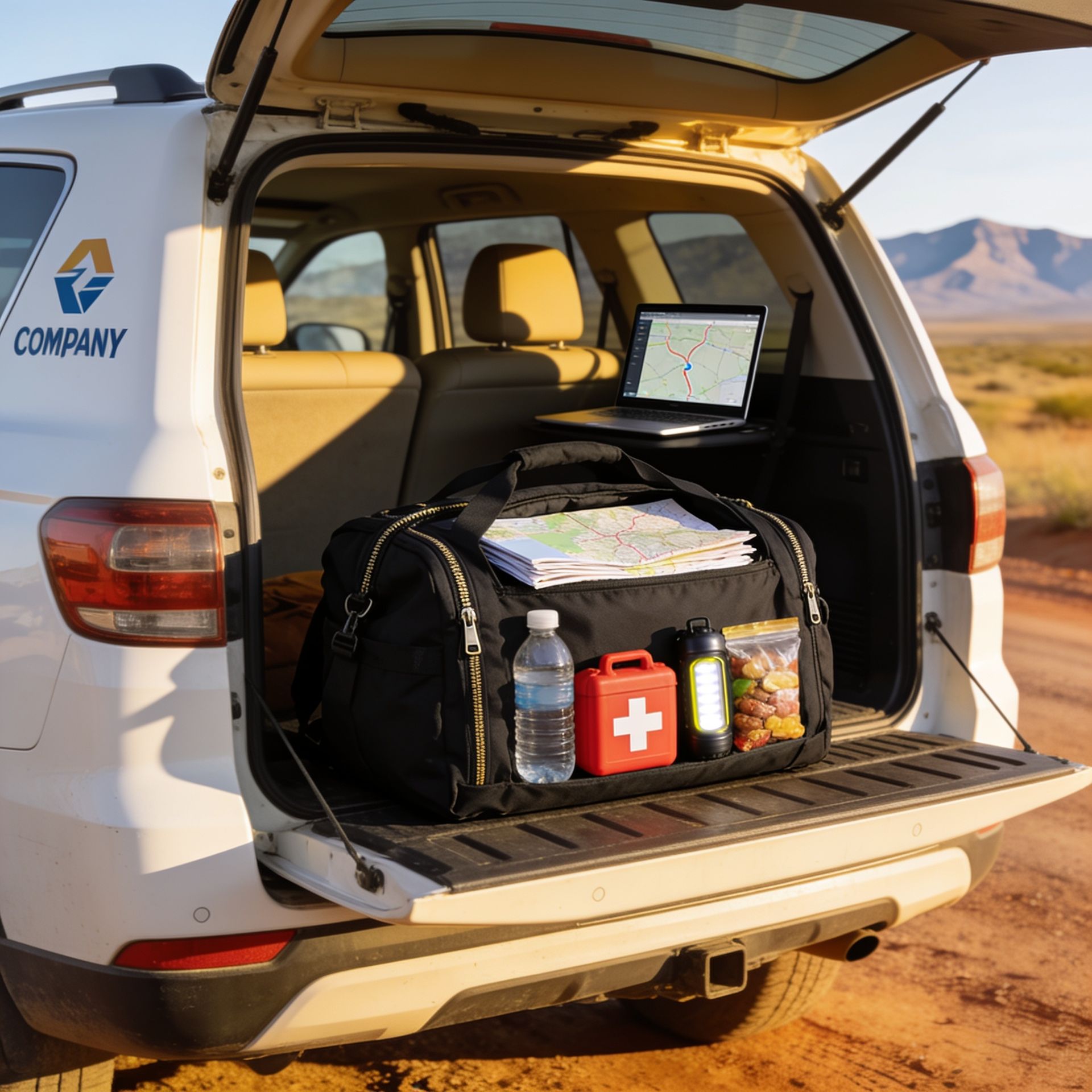
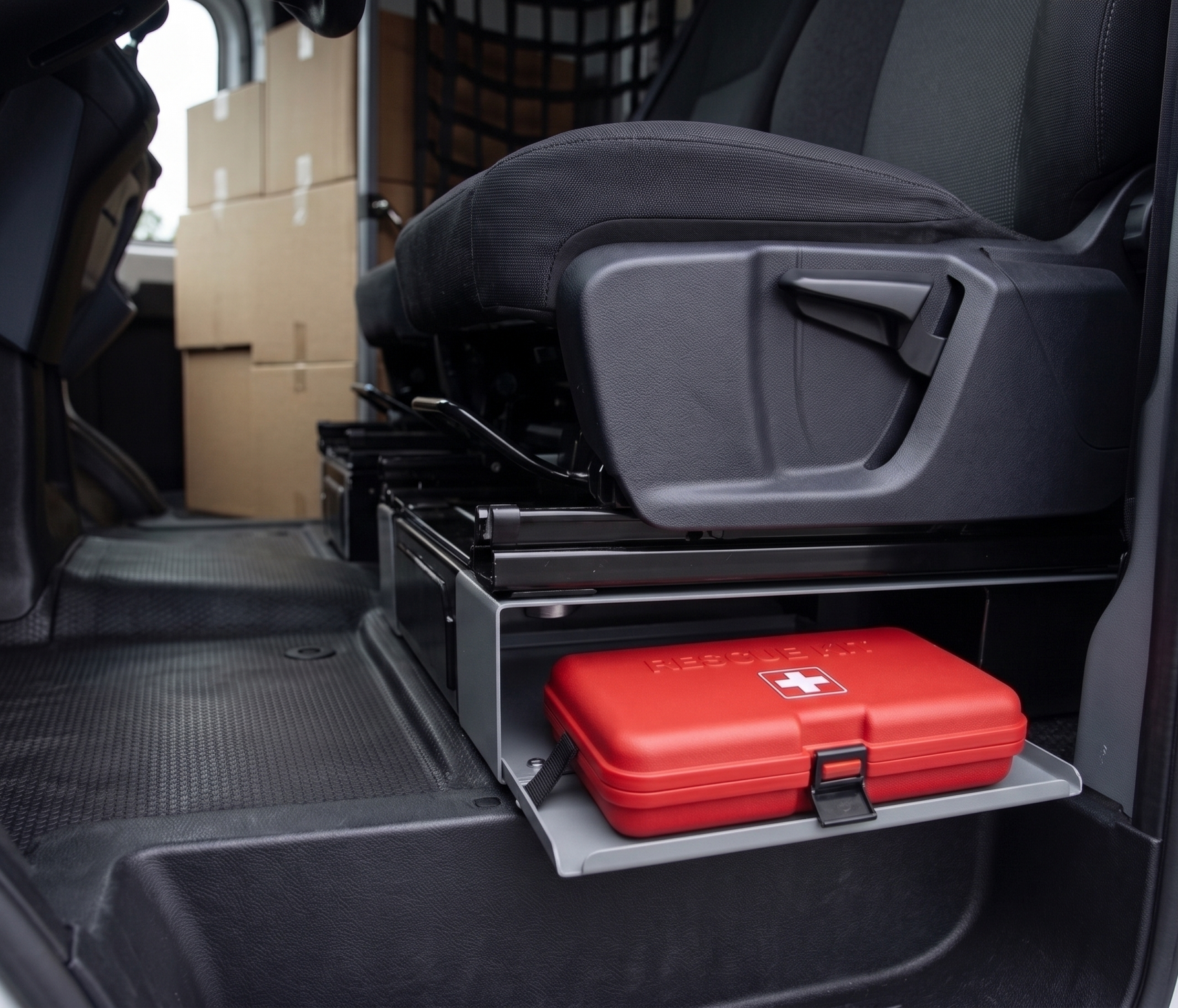
Vehicle kits should include roadside safety tools, first aid supplies, and weather-specific items to handle breakdowns or travel delays.
Tailoring your emergency kits to each environment ensures better preparedness across all situations.

Why Should Businesses Take International Emergency Kit Day Seriously?
International Emergency Day is not just for households. It is an opportunity for businesses to evaluate their preparedness and ensure employee safety.
Businesses can use this day to:
- Inspect and restock first aid kits
- Replace expired supplies
- Review emergency evacuation plans
- Update emergency contact information
- Equip company vehicles with kits
- Train employees on emergency procedures
Prepared workplaces reduce liability, improve response times, and create a safer environment for employees and customers.
How Often Should You Update Your
Emergency Kit?
Emergency bags should be reviewed at least twice per year.
During an update, you should:
- Replace expired food and water
- Check battery life in flashlights and devices
- Update medications
- Review important documents
- Adjust supplies for seasonal changes
Many people use International Emergency Kit Day as their annual reminder to perform a full inspection.
Is an Emergency Kit the Same as a Go Bag?
No, although they are closely related.
An emergency pack is typically stored in a home, office, or vehicle and contains a broader range of supplies.
A go bag is a portable emergency bag designed to be grabbed quickly during an evacuation. It usually contains enough supplies to support one person for approximately 72 hours.
Most people benefit from having both.

How Can Rapid Rescue Kits Help You Stay Prepared?
International Emergency Kit Day is a reminder that emergencies rarely happen at convenient times. Whether you are protecting your home, workplace, or employees, having reliable emergency supplies in place before they are needed is critical.
Rapid Rescue Kits provides professional-grade emergency preparedness solutions designed for homes, businesses, schools, and vehicles. From comprehensive first aid kits to workplace emergency solutions, having the right equipment ensures you are ready to respond when it matters most.
Taking action today can make all the difference tomorrow.
Frequently Asked Questions
Q: What is International Emergency Kit Day?
A: International Emergency Kit Day is observed every July 9 to encourage individuals and organizations to build, update, or inspect their emergency preparedness kits.
Q: What should be in an emergency kit?
A: An emergency kit should include water, non-perishable food, first aid supplies, medications, flashlights, batteries, tools, and important documents.
Q: How often should I update my emergency kit?
A: Emergency kits should be reviewed at least twice per year, replacing expired food, water, batteries, and medications.
Q: Should businesses have emergency kits?
A: Yes. Businesses should maintain workplace emergency kits, first aid supplies, and vehicle kits to ensure employee safety and preparedness.
Q: Is an emergency kit the same as a go bag?
A: No. An emergency kit is typically stored in one location, while a go bag is designed to be portable and used during evacuations.