
How to Build an Emergency Evacuation Bag

Rapid Rescue Kits Editorial Team • June 29, 2026

How to Build a Go Bag for Emergencies: A Step-by-Step Guide


When wildfires, tornadoes, hurricanes, floods, or other emergencies strike, you may only have minutes to leave your home or workplace. A properly packed go bag gives you immediate access to essential supplies, helping you stay safe until you can reach shelter or additional assistance.


Whether you're preparing for natural disasters, emergency evacuations, or unexpected roadside situations, building a go bag is one of the most important steps you can take toward emergency preparedness. This guide explains exactly what to pack, how often to update your supplies, and why every family, business, and company vehicle should have a ready-to-go emergency bag.


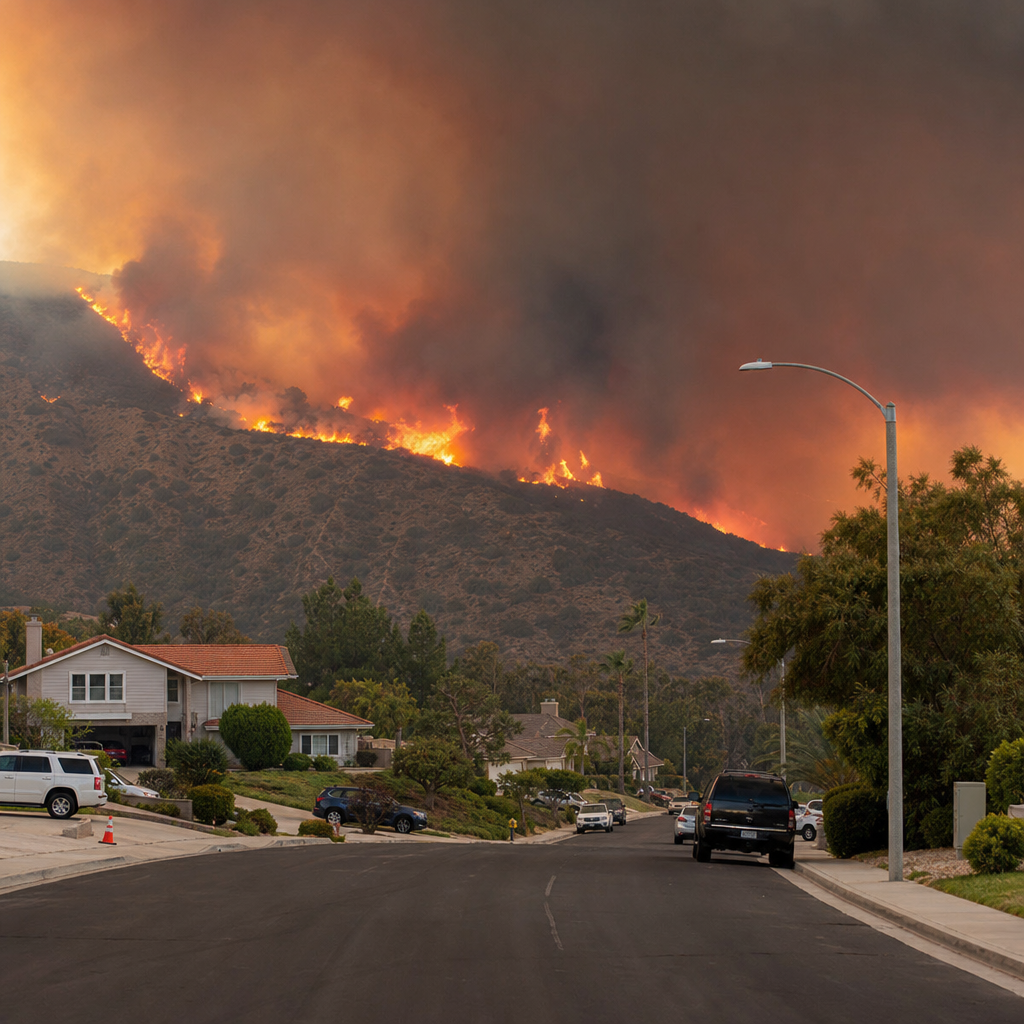
Wildfire flames and smoke on a hillside behind a quiet suburban street with parked cars.

What Is a Go Bag?


A go bag is a portable emergency kit designed to support you during an evacuation or unexpected emergency. Unlike a standard first aid kit, a go bag contains medical supplies along with food, water, communication tools, personal items, and other essentials needed for short-term survival.


Many people also refer to a go bag as a bug out bag, emergency evacuation bag, or disaster preparedness bag. While the names vary, the purpose is the same: to help you leave quickly without scrambling to gather important supplies.


Go bags are especially valuable during:


  • Wildfires
  • Tornado warnings
  • Hurricanes
  • Floods
  • Earthquakes
  • Extended power outages
  • Chemical spills
  • Civil emergencies


Having a go bag prepared before disaster strikes allows you to focus on getting to safety rather than searching for necessities.


What Should Be in a Go Bag?


A well-equipped go bag should provide enough supplies to support one person for at least 72 hours.


Basic go bag essentials include:


Medical Supplies

  • Comprehensive first aid kit
  • Prescription medications
  • Pain relievers
  • Allergy medication
  • Antiseptic wipes
  • Disposable gloves
  • Trauma supplies if appropriate


Food and Water

  • Bottled water
  • Emergency drinking water pouches
  • High-calorie energy bars
  • Shelf-stable snacks
  • Electrolyte packets


Clothing

  • Extra socks
  • Lightweight clothing
  • Rain jacket or poncho
  • Hat
  • Comfortable gloves
  • Emergency blankets


Emergency Tools

  • Flashlight
  • Extra batteries
  • Multi-tool
  • Emergency whistle
  • Portable phone charger
  • Battery bank
  • Waterproof matches or lighter


Personal Hygiene

  • Toothbrush
  • Toothpaste
  • Hand sanitizer
  • Wet wipes
  • Tissues
  • Feminine hygiene products


Every go bag should be customized based on the individual's medical needs, climate, and expected risks.


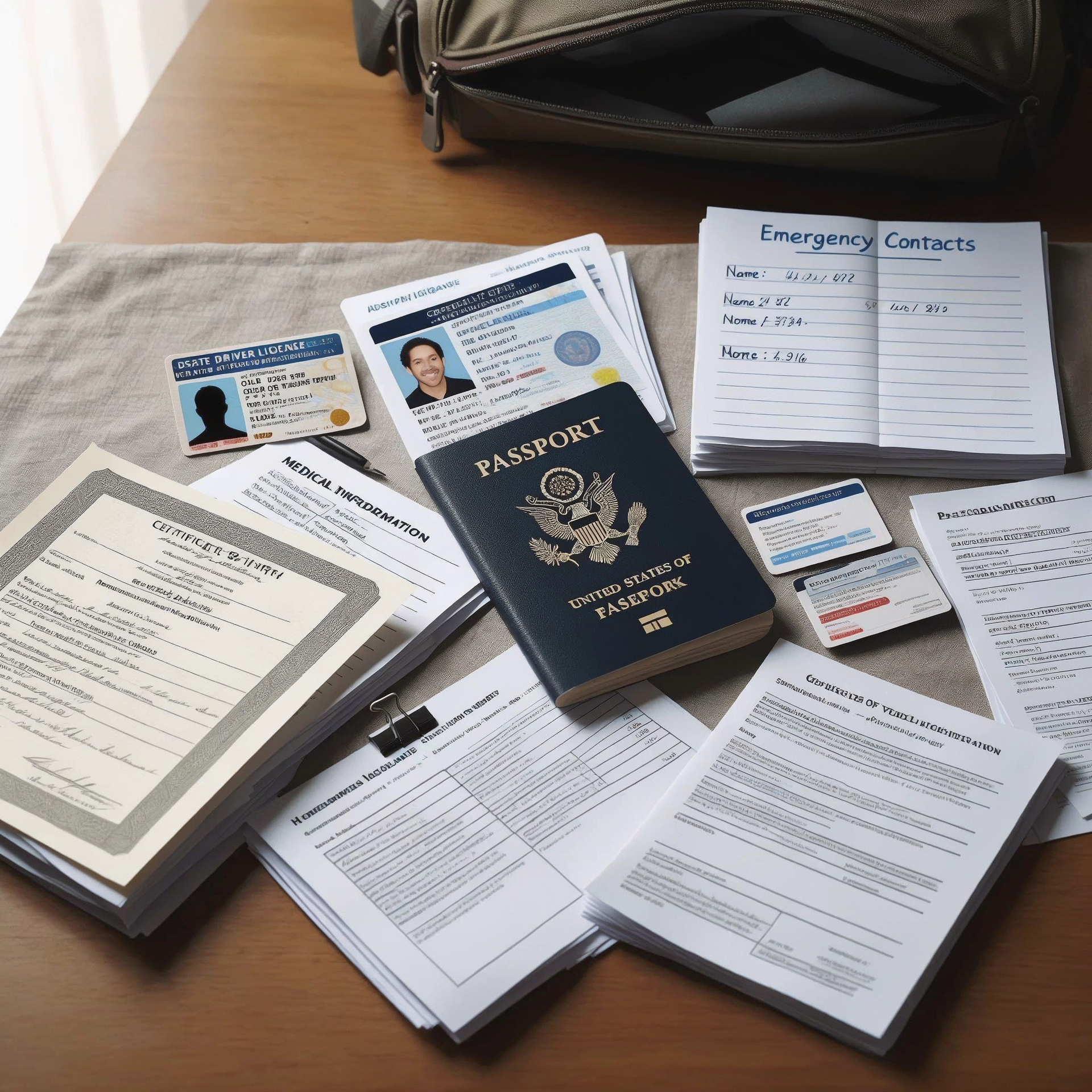
Passport, ID cards, emergency contact sheets, and open forms arranged on a table for travel or emergency prep.

What Important Documents Should You Pack in a Go Bag?


Many people focus on emergency supplies but forget about important paperwork.


Store copies of documents inside a waterproof pouch, including:


  • Driver's license
  • Passport
  • Insurance cards
  • Medical information
  • Emergency contact list
  • Birth certificates
  • Homeowners or renters insurance information
  • Vehicle registration
  • Copies of important prescriptions


Consider saving encrypted digital copies on a secure USB drive as an additional backup.


How Much Food and Water Should a Go Bag Contain?


Emergency preparedness experts generally recommend enough supplies to sustain one person for approximately 72 hours.


A basic guideline includes:


  • One gallon of water per person per day whenever possible
  • Non-perishable food requiring little or no preparation
  • High-protein snacks
  • Energy bars
  • Ready-to-eat meals


Don't forget a manual can opener if your emergency food requires one.


Review expiration dates regularly and replace food and water before they expire.


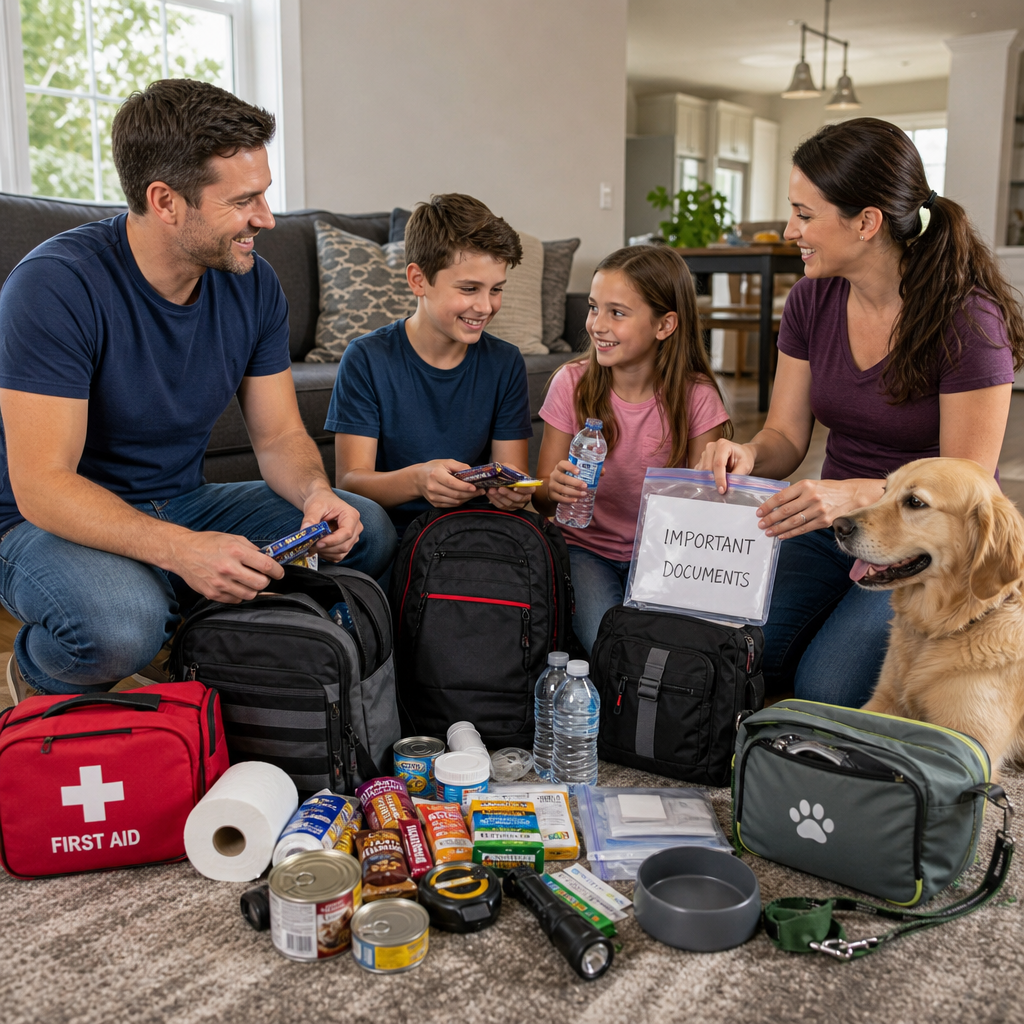
Family packing emergency supplies on a living room floor with food, water, backpacks, first aid, and pet gear

Should Every Family Member Have Their Own Go Bag?


Yes.


Every member of the household should have their own appropriately sized emergency go bag.


Children's bags should include:


  • Comfort items
  • Age-appropriate snacks
  • Small toys or books
  • Necessary medications


Adults should carry the majority of emergency supplies while ensuring children can comfortably carry their own essential items.


Pets should also have emergency supplies, including food, medications, water, leashes, and vaccination records.


Should Businesses Keep Go Bags for Employees?


Businesses often focus on workplace first aid kits but overlook evacuation readiness.


Go bags can be valuable for:


  • Emergency response teams
  • Facility managers
  • Security personnel
  • Field technicians
  • Utility crews
  • Construction supervisors
  • Mobile service professionals


Company vehicles should also carry emergency go bags, particularly for employees who travel long distances or work in remote locations.


Prepared businesses are better equipped to respond quickly during evacuations caused by severe weather, wildfires, hazardous material incidents, or other emergencies.


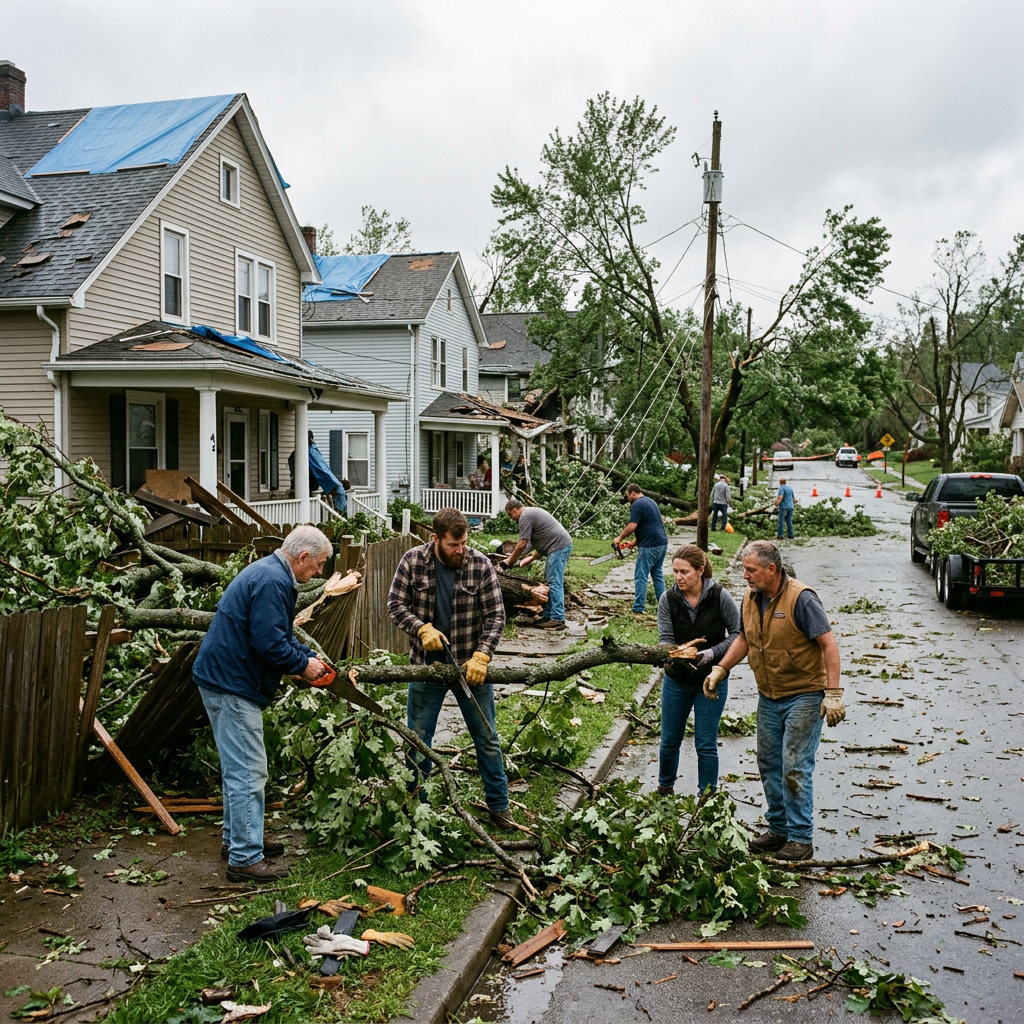
Volunteers clearing fallen branches and debris from a damaged residential street after a storm

What's the Difference Between a Go Bag, a Bug Out Bag, and an Emergency Kit?


These terms are often used interchangeably, but there are important differences.

A go bag is designed for rapid evacuation and contains enough supplies to support one person for approximately 72 hours.


A bug out bag generally includes many of the same items but may contain additional survival gear intended for longer-term emergencies or remote environments.


An emergency kit is broader and may remain in a home, office, school, or vehicle.


Emergency kits often contain larger quantities of supplies because they are not intended to be carried during an evacuation.


Many families benefit from having all three preparedness kits:


  • A home emergency kit
  • A vehicle emergency kit
  • A portable go bag


Where Should You Store a Go Bag?


A go bag only helps if it can be reached immediately.


Ideal storage locations include:


  • Near the primary exit of your home
  • Inside a bedroom closet near the door
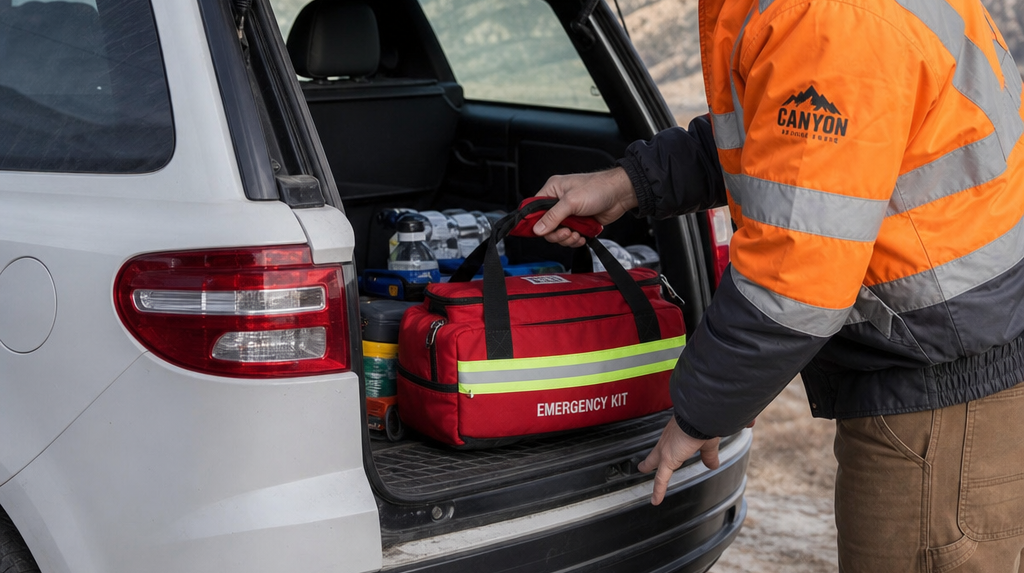
  • In the trunk of your vehicle
  • At your workplace
  • In company fleet vehicles


Avoid storing go bags in difficult-to-access attics, garages, or storage buildings where valuable time could be lost during an evacuation.


How Often Should You Update Your Go Bag?


Emergency supplies should be reviewed at least twice each year.


During your inspection:


  • Replace expired food and water
  • Check medication expiration dates
  • Test flashlights and batteries
  • Recharge battery packs
  • Update emergency contacts
  • Replace clothing as seasons change
  • Review important documents


Many families choose to inspect their go bags every spring and fall when changing clocks for Daylight Saving Time.


Person in orange jacket loading a red go bag into the open trunk of a white SUV outdoors

Why Is a Go Bag an Essential Part of

Emergency Preparedness?


Natural disasters and emergencies rarely provide much warning. Wildfires can spread rapidly, tornadoes can develop within minutes, and hurricanes often require mandatory evacuations.


A well-prepared go bag helps eliminate panic by ensuring your most important supplies are already packed and ready to go.


Rapid Rescue Kits provides professional emergency preparedness solutions designed to help families, businesses, schools, and organizations respond quickly during unexpected situations. Whether you're preparing for severe weather, workplace emergencies, or emergency evacuations, having a properly equipped go bag is one of the smartest investments you can make in your safety.


Preparing today means you can respond with confidence tomorrow.


Frequently Asked Questions


  • Q: What is the difference between a go bag and a bug out bag?

    A: A go bag is designed for short-term emergency evacuations, while a bug out bag may include additional survival gear for longer-term situations. Both are portable emergency preparedness bags.

  • Q: How long should a go bag last?

    A: Most emergency preparedness experts recommend packing enough supplies to support one person for at least 72 hours.

  • Q: What are the most important go bag essentials?

    A: Water, food, first aid supplies, medications, flashlight, batteries, communication tools, and important documents are considered essential items.

  • Q: Should every vehicle have a go bag?

    A: Yes. Keeping a go bag in your vehicle provides additional preparedness for roadside emergencies, severe weather, and unexpected evacuations.

  • Q: How often should I replace supplies in my go bag?

    A: Review your go bag at least twice a year, replacing expired food, water, batteries, medications, and updating important documents as needed.

Workers in high-vis gear at an industrial factory with safety signs and equipment rows
By Rapid Rescue Kits Editorial Team May 29, 2026
Learn how many first aid kits your small or large business needs based on employee count, facility size, workplace hazards, & OSHA workplace safety recommendations.
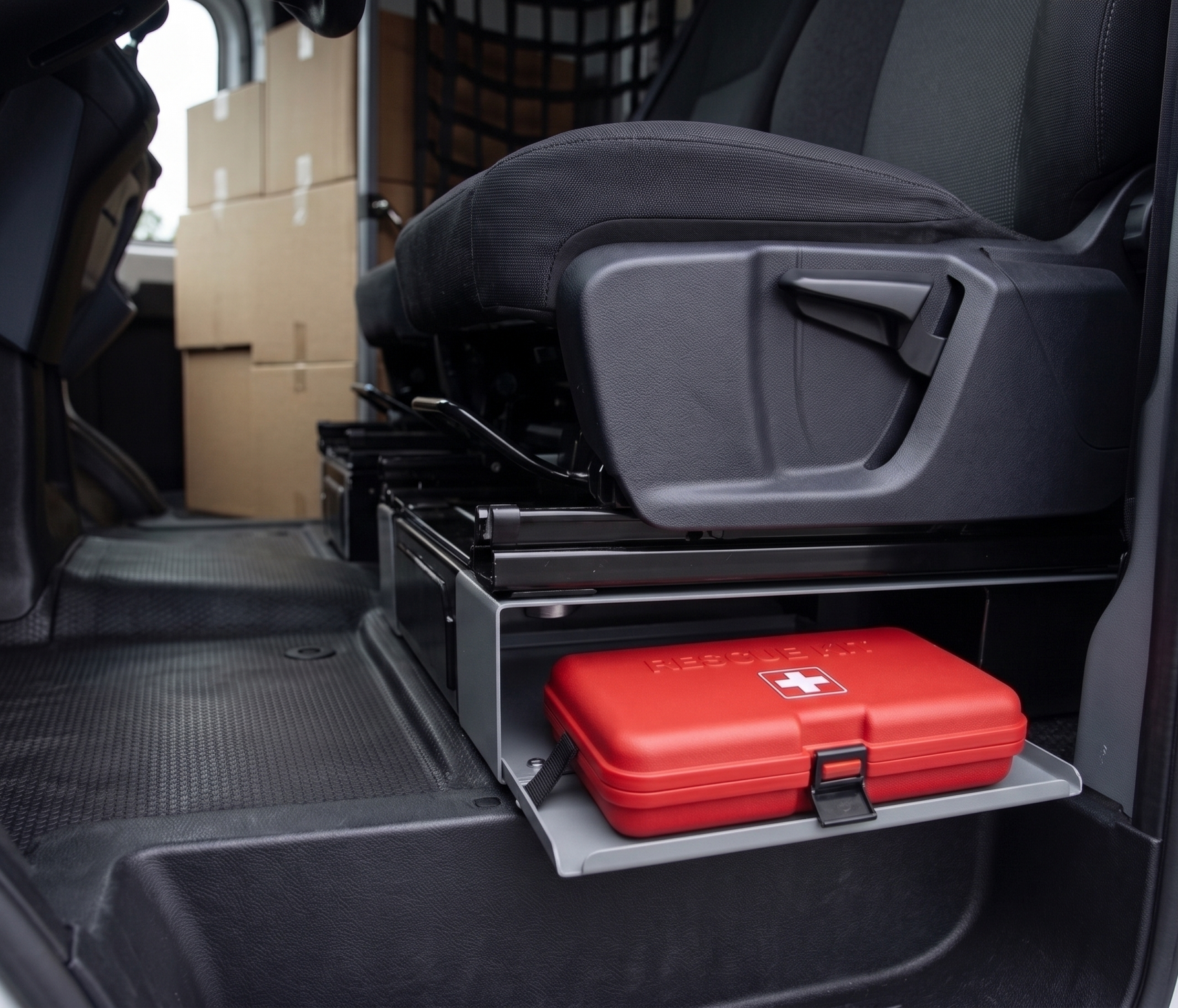
Red first aid kit on a slide-out tray inside a vehicle cargo area under a gray seat.
By Rapid Rescue Kits Editorial Team April 29, 2026
Learn what every company vehicle should carry in an emergency kit, including first aid supplies, roadside gear, and fleet safety essentials. Rapid Rescue Kits.
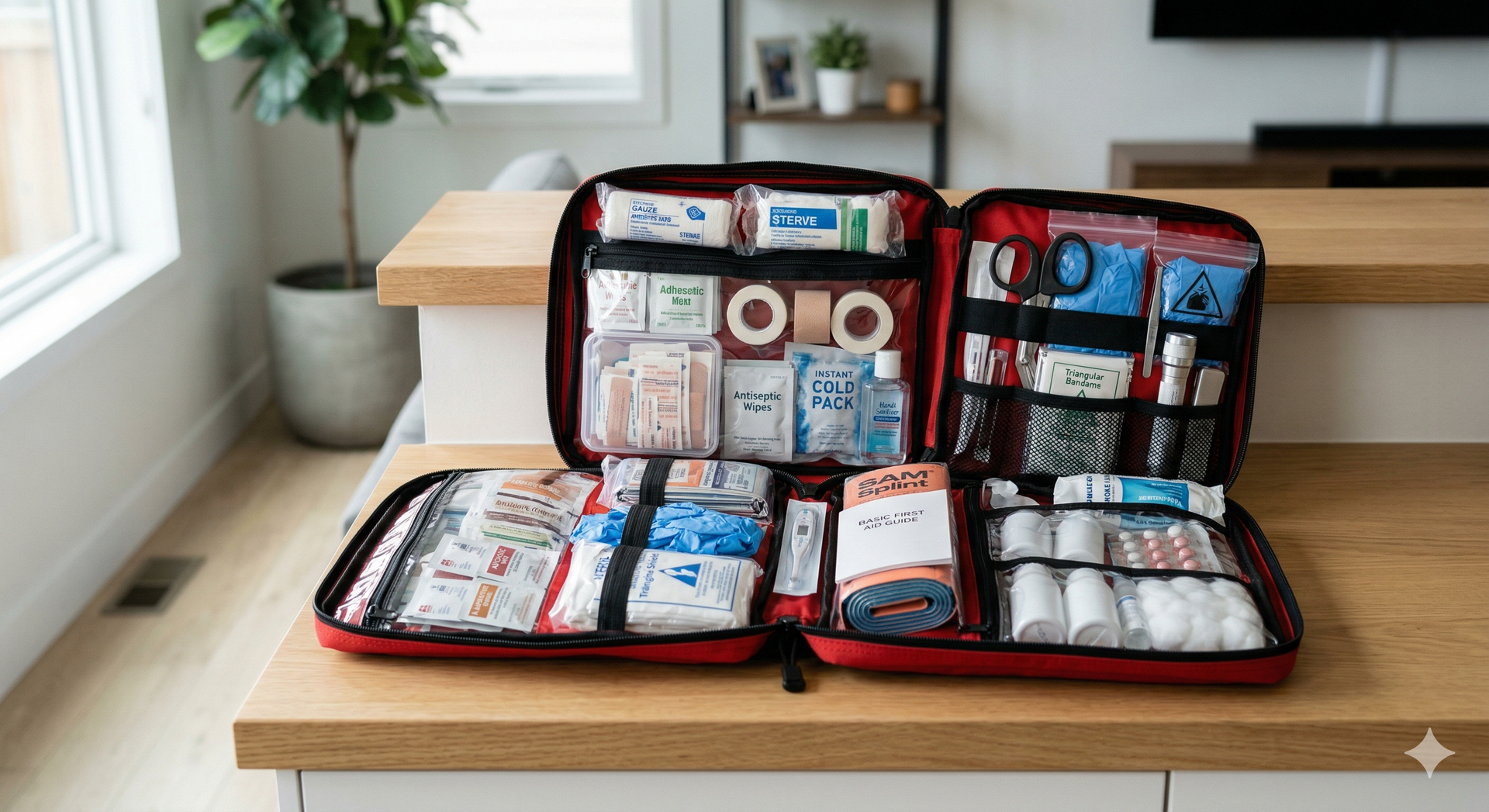
An open, red first aid kit filled with various medical supplies, organized in clear compartments on a wooden surface.
By Rapid Rescue Kits Editorial Team April 1, 2026
Learn what should be in an emergency kit with a complete checklist for home, workplace, and travel preparedness. Stay ready for any emergency situation or need.

A busy office setting features a wall-mounted first aid kit in the foreground with people working at desks in the background.
By Rapid Rescue Kits Editorial Team March 31, 2026
Learn the OSHA first aid kit requirements for businesses, ANSI requirements, what to include, and how to stay compliant with workplace safety standards in 2026.
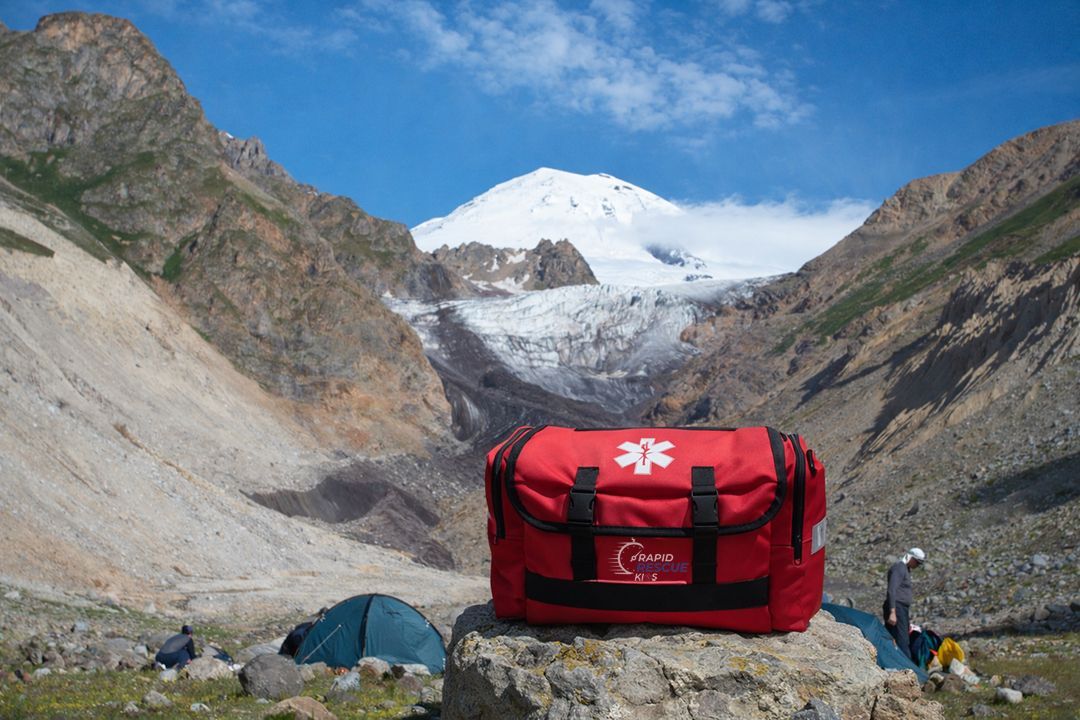
Rapid Rescue Kits emergency trauma bag staged at outdoor adventure basecamp for remote emergency
By Rapid Rescue Kits Editorial Team February 28, 2026
Outdoor operators face unique risks. Learn why ski resorts, rafting companies, and guides trust Rapid Rescue Kits for emergency preparedness.
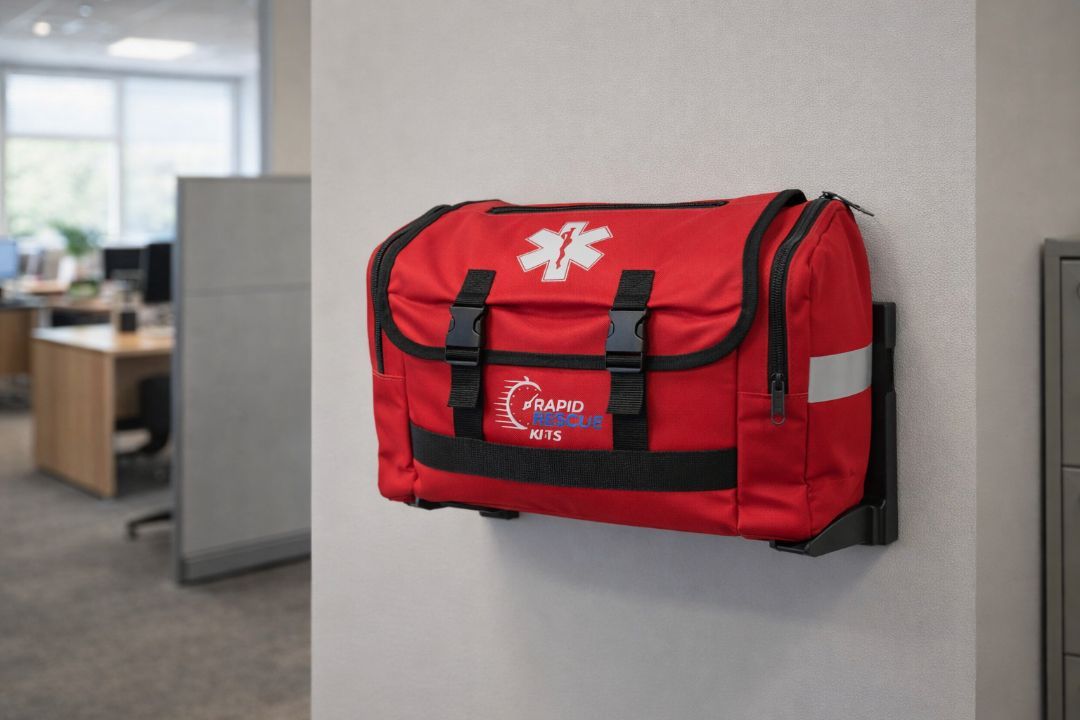
Rapid Rescue Kits emergency trauma bag mounted on office wall for fast workplace emergency response
By Rapid Rescue Kits Editorial Team February 12, 2026
Protect employees and reduce risk with professional emergency response kits. Learn why businesses trust Rapid Rescue Kits for real emergencies.
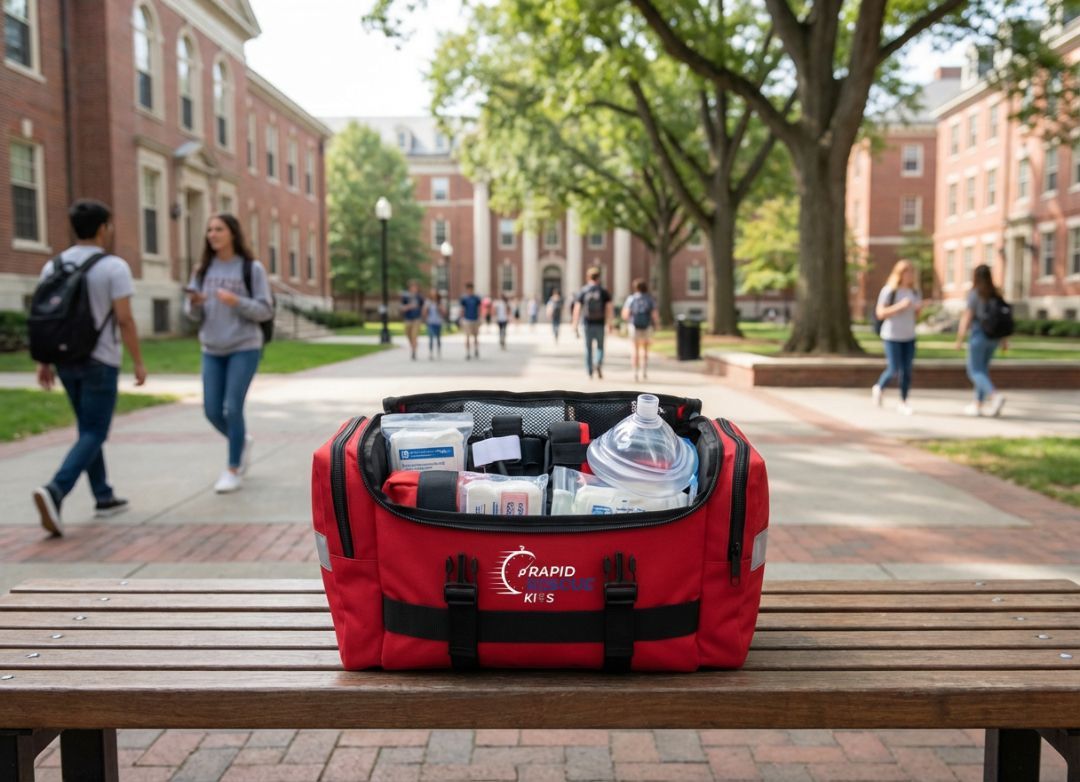
Red medical bag on a bench in front of a university building with students walking.
By Rapid Rescue Kits Editorial Team January 29, 2026
Discover why Stop the Bleed kits are essential for schools, what supplies they should include, where to place them on campus, and how trauma preparedness protects students and staff.
Red medical bag and green first aid kit on black background.
By Rapid Rescue Kits Editorial Team January 15, 2026
Learn the difference between a trauma kit and a first aid kit, what each one is designed for, and how to choose the right emergency kit for home, work, sports, or travel readiness.
outdoor first aid kit
By Rapid Rescue Kits Editorial Team December 23, 2025
Heading into mountains, deserts, or remote trails? Build the 2026 hiker first-aid loadout built for real injuries and real wilderness conditions.
emergency kit for families
By Rapid Rescue Kits Editorial Team December 11, 2025
Build a 2026-ready family emergency plan for your home, car, and when going outdoor. Choose the right first-aid and trauma kits for real-life parent scenarios.
Show More