


Power Outage Preparedness for Businesses
What Should Your Workplace Do During a Winter Power Outage?
A winter power outage can disrupt lighting, heat, communications, security systems, equipment, and normal business operations within minutes. Businesses should have a power outage plan that tells employees what to do, what emergency supplies are available, and when conditions require evacuation or a temporary shutdown.
Winter storms can make outages more serious. Snow, ice, strong winds, freezing temperatures, damaged power lines, and difficult road conditions may delay utility repairs or emergency response.
Preparing before the lights go out can help protect employees and reduce confusion when normal systems stop working.

What Should a Business Do Before a Winter Power Outage?
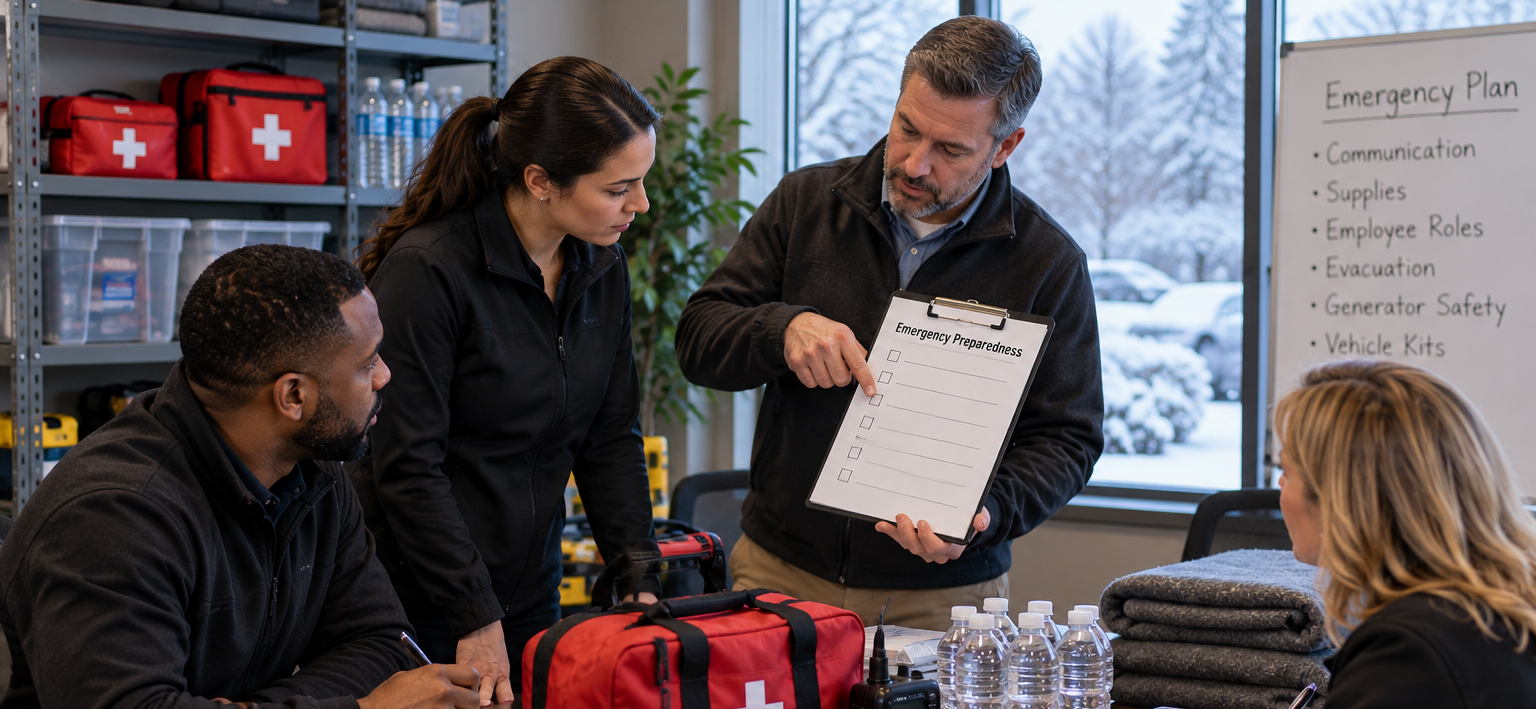
Businesses should prepare for a winter power outage by reviewing emergency procedures, checking backup supplies, assigning employee responsibilities, and planning how the company will communicate if normal systems fail.
Start by identifying which business functions depend on electricity. These may include:
- Lighting
- Heating systems
- Computers and networks
- Security systems
- Phones and internet service
- Refrigeration
- Medical equipment
- Production machinery
- Electronic access controls
Then consider what happens when those systems stop working.
Employees should know who makes decisions during an outage. They should also know whether they are expected to remain in place, move to another part of the building, or evacuate.
Businesses should maintain more than one way to communicate. Mobile phones, portable battery banks, radios, and other backup communication tools may become important if internet or office phone systems are unavailable.
The workplace emergency action plan should also address extended outages. A brief interruption may be inconvenient. An outage lasting several hours during freezing weather can create a much more serious safety problem.
What Should Be in a Workplace Power Outage Emergency Kit?
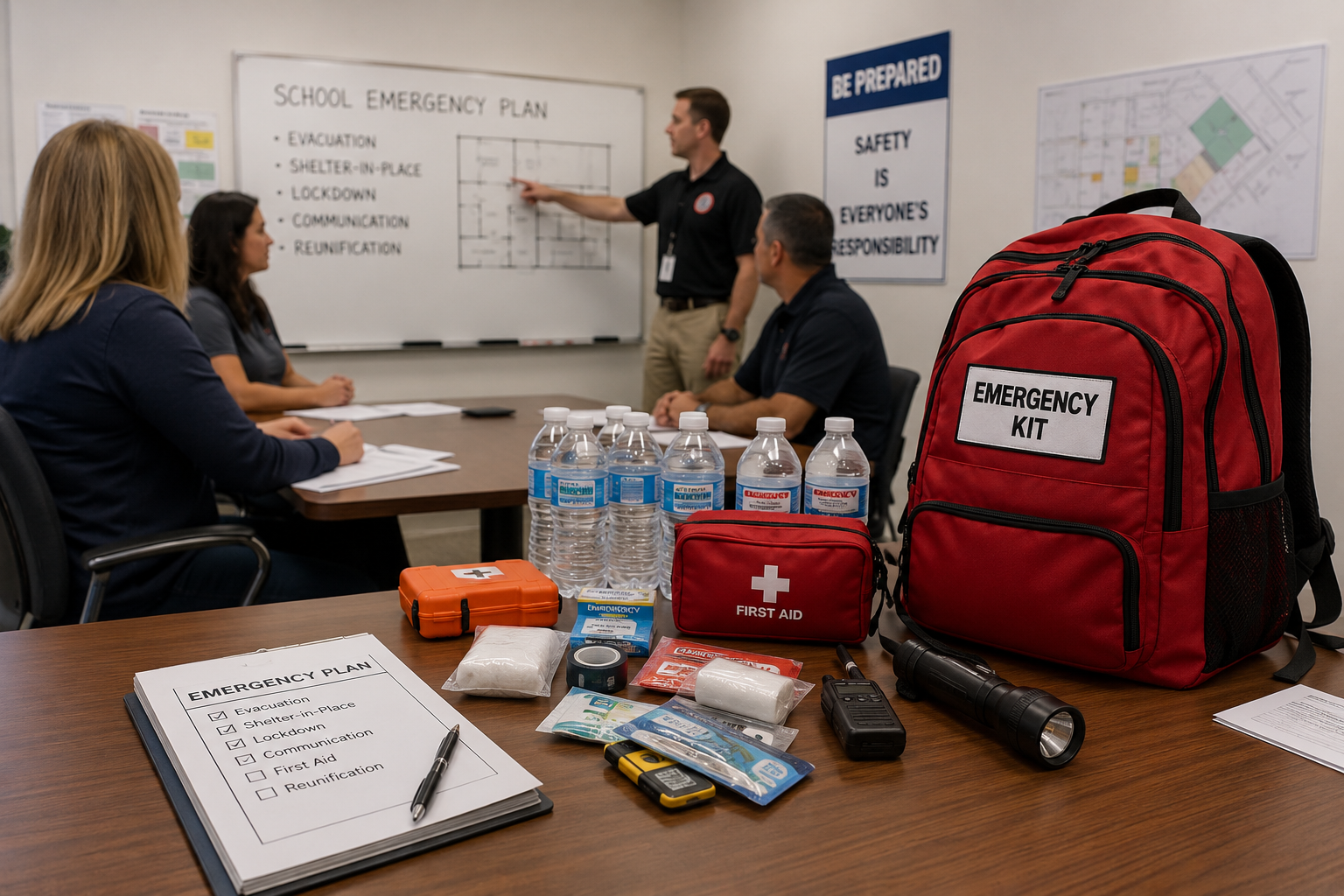
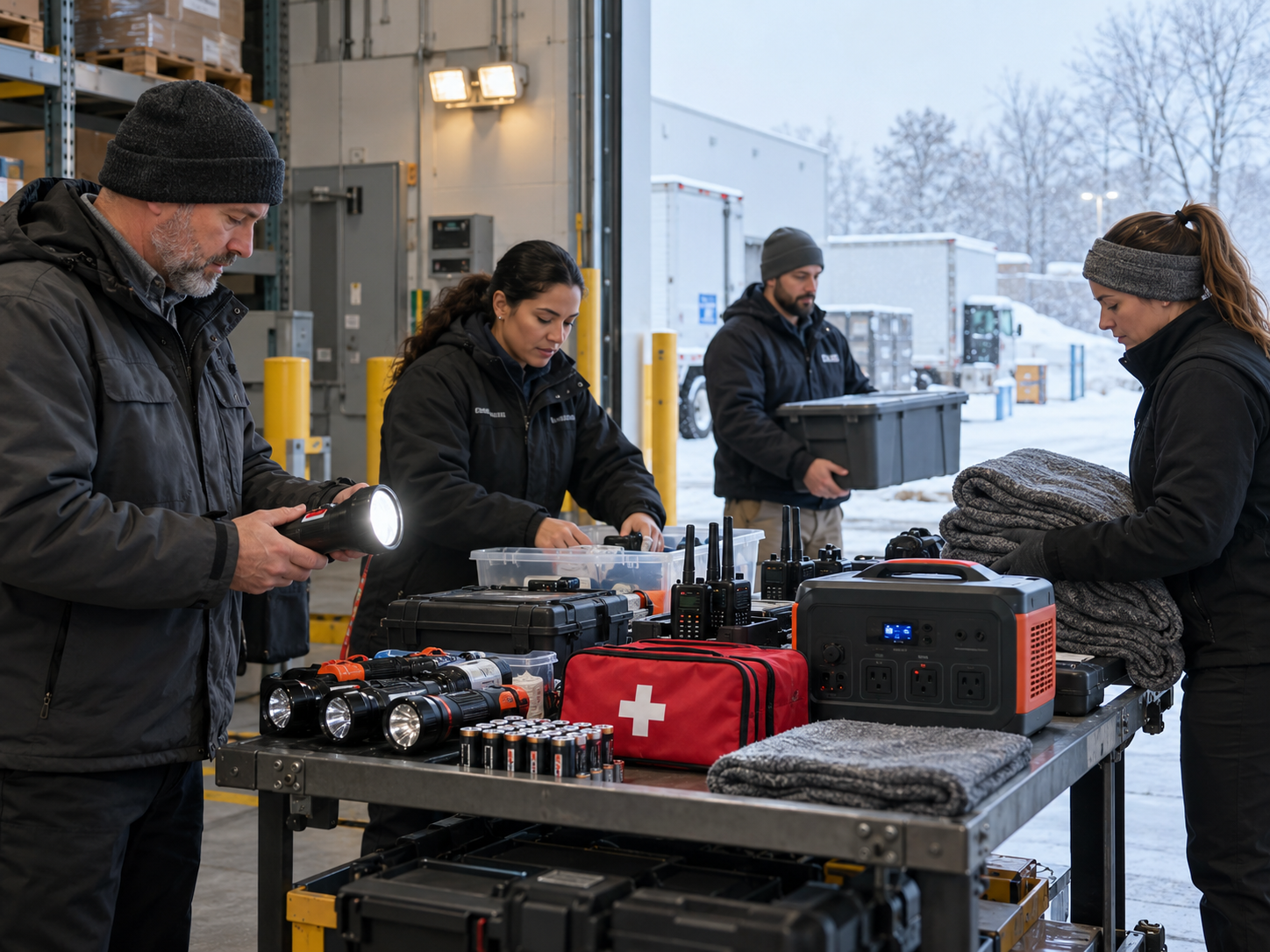
A workplace power outage emergency kit should contain lighting, first aid supplies, communication tools, basic safety equipment, and items that help employees remain safe while normal power is unavailable.
Depending on the workplace, useful supplies may include:
- Flashlights
- Headlamps
- Extra batteries
- Portable power banks
- Battery-powered or hand-crank radio
- First aid supplies
- Bleeding control equipment
- Disposable gloves
- Emergency blankets
- High-visibility safety gear
- Basic tools
- Bottled water
- Emergency contact information
Businesses should avoid depending entirely on employees' personal phones for light or communication. Phone batteries may drain quickly during a long outage.
Emergency supplies also need to be accessible in the dark. A kit stored behind locked doors or buried in a supply room may be difficult to reach when normal lighting and electronic access systems are down.
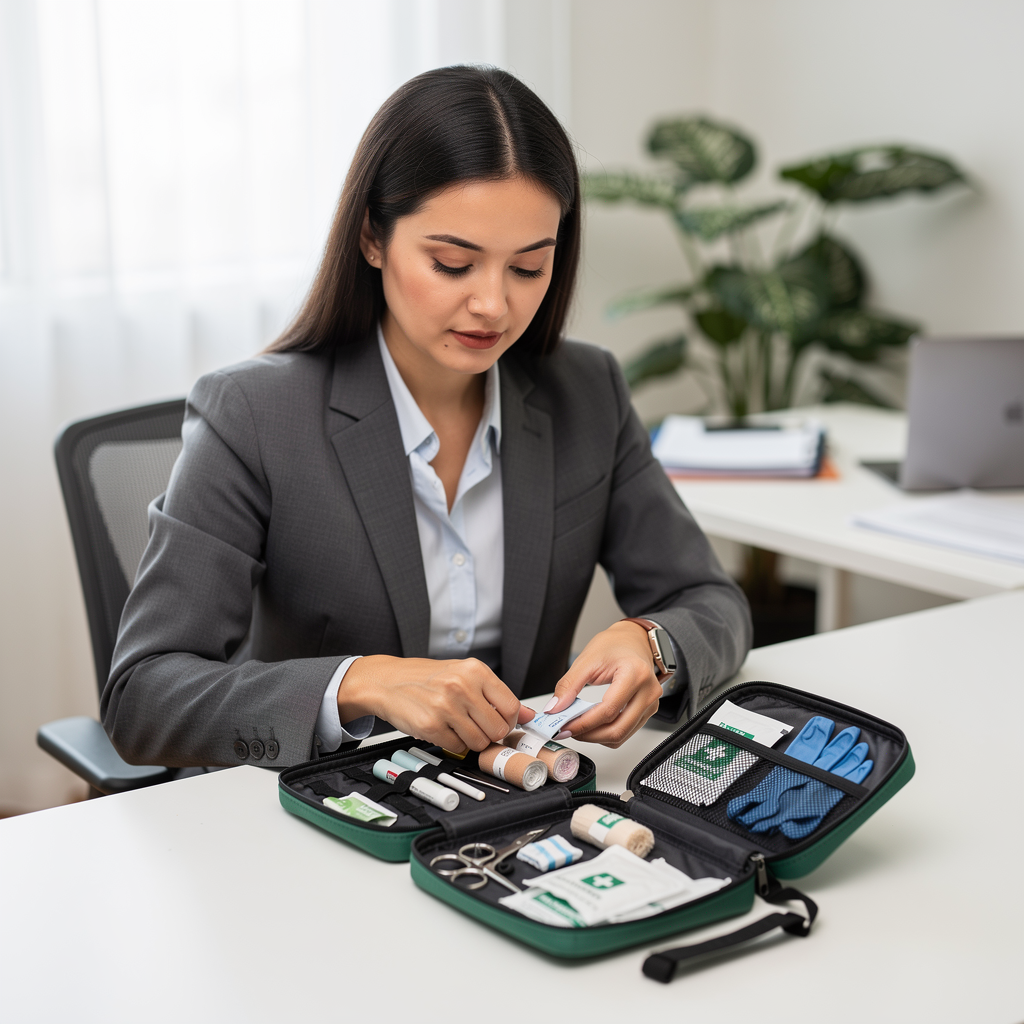
This is a good time to inspect existing workplace emergency kits. Replace expired or used supplies and test batteries, flashlights, radios, and portable chargers.
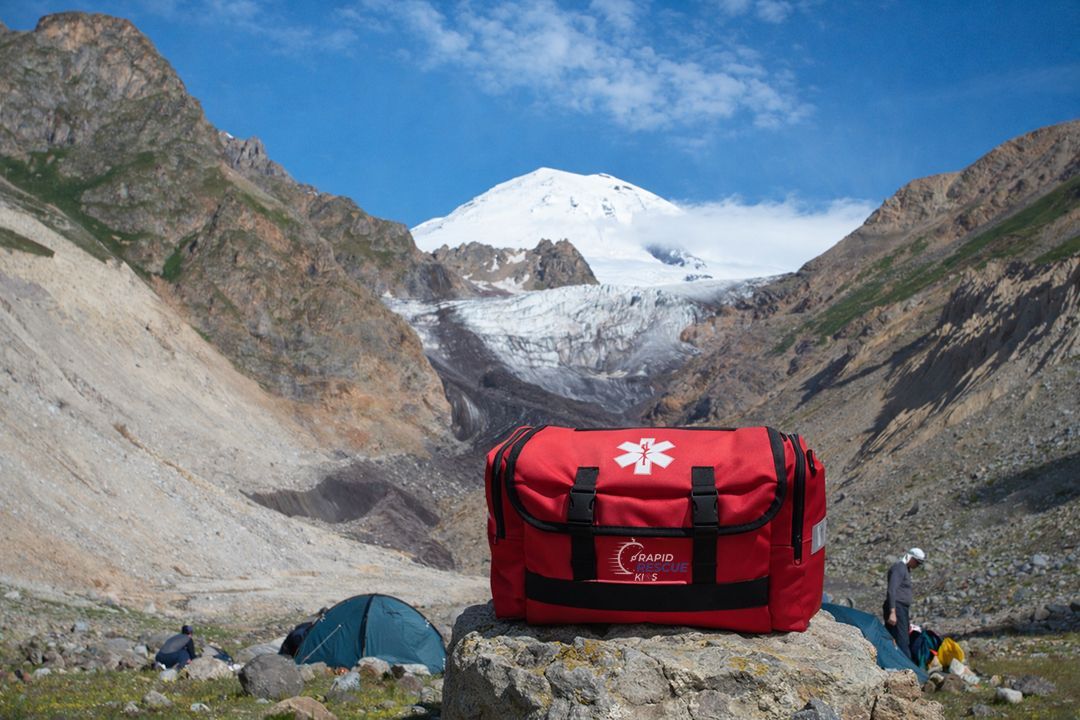
Rapid Rescue Kits provides professional emergency response kits for businesses across the United States. Organized first aid, bleeding control, CPR support, immobilization, and other emergency supplies can become especially important when outside assistance is delayed.
Businesses reviewing their coverage should also revisit How Many First Aid Kits Does My Business Need? to make sure emergency supplies are available throughout the workplace.

What Should Employees Do When the Power Goes Out at Work?
Employees should follow the company's emergency plan, stay calm, avoid unsafe electrical equipment, and wait for instructions from designated workplace leaders.
The first priority is determining whether the outage has created another hazard.
Employees should report:
- Smoke or fire
- Electrical odors
- Sparking equipment
- Flooding or water near electrical systems
- Medical emergencies
- Damaged power lines
- Unsafe indoor temperatures
- Blocked exits
Flashlights and battery-powered lighting are generally safer choices than open flames during an outage.
Employees should not attempt electrical repairs unless they are properly qualified and authorized. Equipment that was running when the power failed may also need to be shut down or checked before power is restored.
Workplaces with elevators should have procedures for employees or visitors who may become trapped or who cannot use stairs.
A power failure should not automatically send everyone outside. Winter conditions may make outdoor evacuation more dangerous than remaining indoors. The business emergency plan should identify who decides whether employees stay, evacuate, or move to another safe location.
How Can Businesses Use Backup Generators Safely During a Power Outage?
Businesses using portable generators must prevent carbon monoxide exposure and electrical hazards.
Carbon monoxide is a colorless, odorless gas created by fuel-burning equipment. It can build up quickly in enclosed or partly enclosed areas.
Portable generators should never be operated inside offices, warehouses, garages, loading areas, or other enclosed spaces. Generator exhaust must also be kept away from doors, windows, and ventilation openings.
Businesses that rely on backup generators should plan before an emergency. Determine:
- Who is authorized to operate the equipment
- Where the generator can be used safely
- How fuel will be stored
- Which systems receive backup power
- How carbon monoxide exposure will be prevented
- How employees will be protected from electrical hazards
Permanent backup power systems should be maintained according to manufacturer instructions and applicable electrical requirements.
Generators are useful emergency tools, but they create additional risks when they are used incorrectly.

When Should a Business Evacuate During a Power Outage?
A business should consider evacuation when the power outage creates conditions that cannot be safely managed inside the workplace.
Examples may include:
- Loss of safe heating during extreme cold
- Fire or smoke
- Electrical hazards
- Flooding
- Carbon monoxide concerns
- Loss of critical medical equipment
- Unsafe lighting or access conditions
- Building systems that cannot operate safely
- Instructions from emergency officials
The decision should follow the company's emergency action plan and the conditions at the facility.
Employees should already know the evacuation route, assembly location, and accountability procedure. Waiting until the building is dark to determine where everyone should go wastes valuable time.
Businesses should also consider what happens after evacuation. During winter weather, employees may face icy roads, closed highways, limited transportation, or dangerous outdoor temperatures.
Should Company Vehicles Carry Winter Power Outage Supplies?
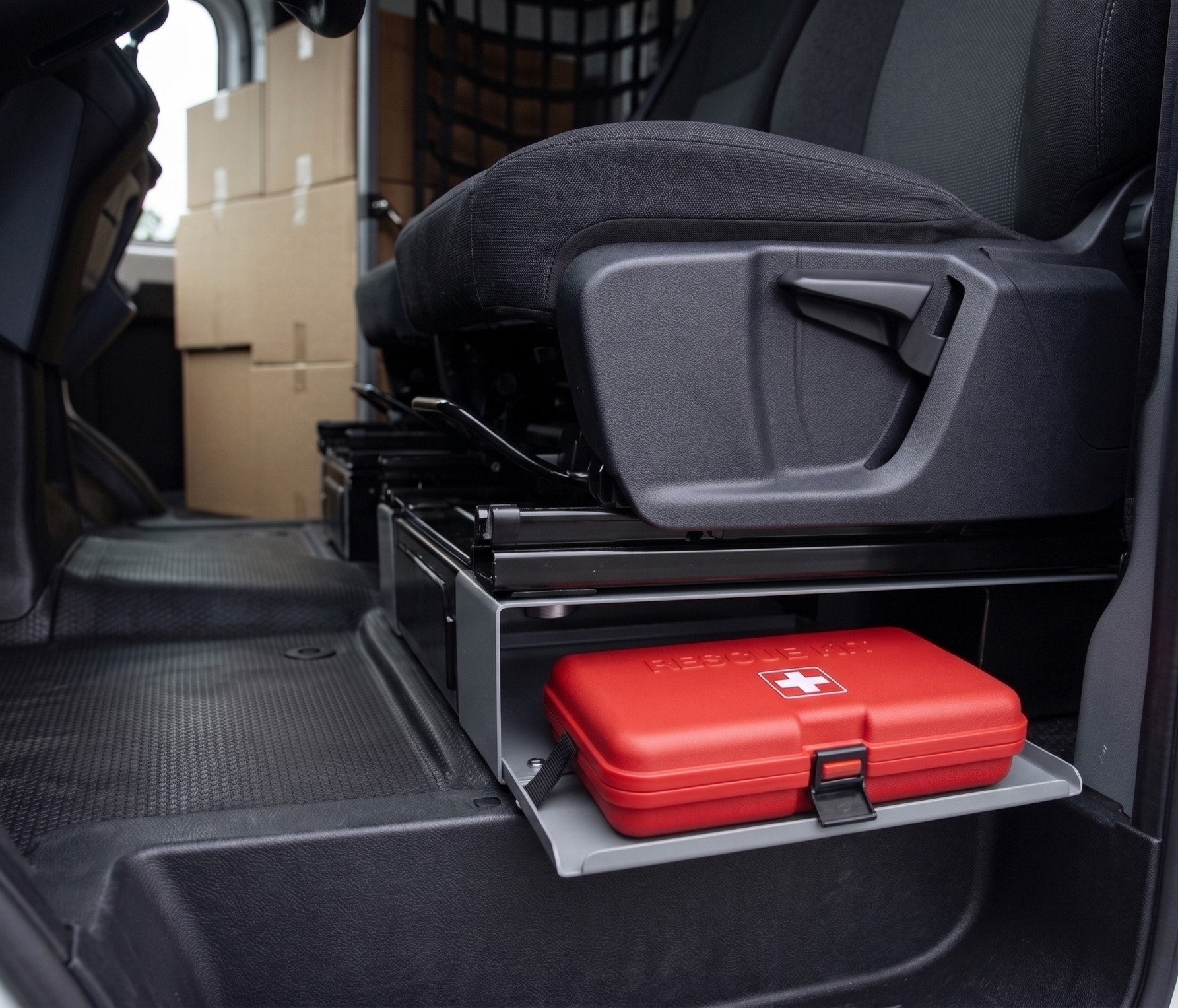
Yes. Company vehicles should carry winter emergency supplies when employees travel for work, especially in areas where snow, ice, severe storms, or long distances may leave workers stranded.
A widespread power outage may affect traffic signals, fuel stations, businesses, and communication networks at the same time. Employees who are away from the main workplace may have to manage conditions independently.
Useful vehicle supplies may include:
- First aid kit
- Emergency blanket
- Flashlight
- Spare batteries
- Portable charger
- Reflective safety gear
- Water
- Seasonal clothing
- Basic roadside tools
Fleet managers should inspect vehicle kits before winter conditions arrive.
Emergency Kits Every Company Vehicle Should Have provides a broader checklist for businesses with service vehicles, delivery fleets, field crews, and mobile employees.

How Can Businesses Be Better Prepared Before the Next Power Outage?
Businesses can improve power outage preparedness by combining a clear emergency plan with employee training, working communication systems, and properly stocked emergency supplies.
Before winter, conduct a simple preparedness review:
- Test emergency lighting
- Charge backup power banks
- Inspect first aid and emergency kits
- Confirm evacuation procedures
- Update emergency contact lists
- Review generator safety
- Check company vehicle supplies
- Make sure employees understand their roles
OSHA advises employers preparing for winter weather to maintain reliable communication with workers, monitor weather conditions, and be prepared to stop work or evacuate when conditions become unsafe.
Power outages are unpredictable, but workplace readiness does not have to be.
Rapid Rescue Kits helps offices, warehouses, construction companies, schools, fleet operators, and commercial facilities prepare for serious emergencies with organized professional emergency response supplies.
Before the next winter storm arrives, review your workplace plan and make sure employees can access the supplies they may need when normal systems fail. Businesses outfitting multiple departments, facilities, or company vehicles can contact Rapid Rescue Kits about bulk emergency kit options.
Frequently Asked Questions
Q: What should a business do during a power outage?
A: A business should follow its emergency action plan, assess immediate hazards, communicate with employees, and determine whether the workplace can remain safely occupied. Evacuation may be necessary if heating, lighting, medical equipment, electrical systems, or other critical services become unsafe.
Q: What should be in a workplace power outage emergency kit?
A: A workplace power outage kit should include flashlights, batteries, portable chargers, first aid supplies, emergency blankets, communication equipment, water, and other items appropriate for the workplace. Businesses should customize supplies based on facility hazards and employee needs.
Q: How long should a business prepare to be without power?
A: Businesses should plan for both short interruptions and extended outages. Severe winter storms can delay power restoration, so emergency plans should address what happens if heating, communications, lighting, or other essential systems remain unavailable for several hours or longer.
Q: Can businesses use portable generators during a power outage?
A: Yes, but portable generators must be used with strict attention to carbon monoxide and electrical safety. Fuel-powered generators should never operate inside or in enclosed or partially enclosed work areas.
Q: Should businesses evacuate when the power goes out?
A: Not always. A short outage may not require evacuation, but businesses should leave when conditions become unsafe or emergency officials direct them to do so. The company's emergency action plan should identify who makes that decision and how employees will be accounted for.